



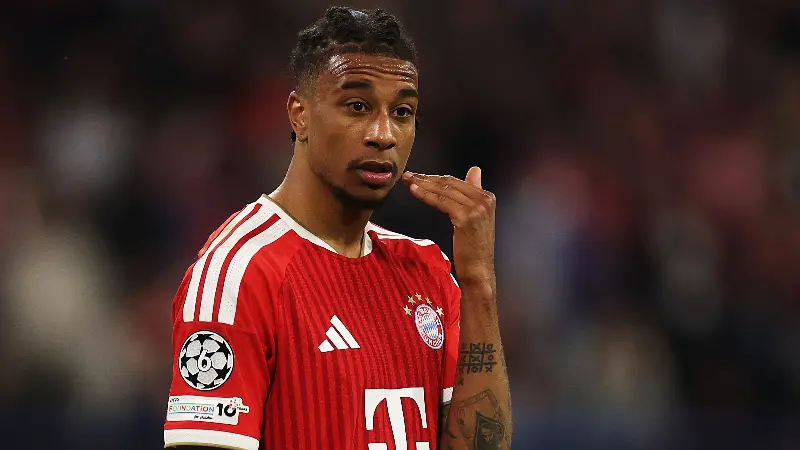
In the Champions League semi-final second leg against PSG, Michael Olise was largely absent from the game. Did Luis Enrique devise a specific tactical ploy to contain the FC Bayern winger?
After taking the lead in the third minute through a goal from Ousmane Dembélé, the French side, holding a comfortable two-goal aggregate advantage, concentrated on defence and, when they did venture forward, did so exclusively through swift counter-attacks.
Enrique's side contained Olise with remarkable efficiency, despite his outstanding form this season. Although his marker, Nuno Mendes, received an early yellow card for a foul—and should have been dismissed later for handball—Olise rarely threatened to beat the Portuguese full-back over the full 90 minutes.
PSG also crowded Bayern's right flank—Olise's operating zone—to deny him the room to launch his pacey dribbles and one-on-ones.
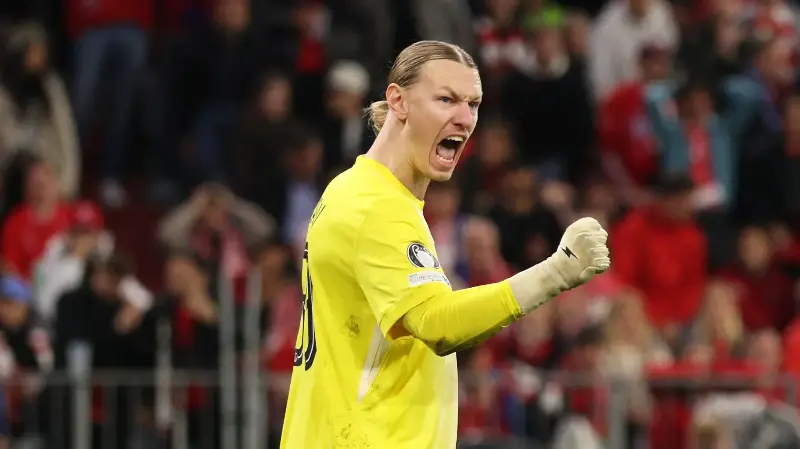
PSG goalkeeper Matvey Safonov repeatedly cleared the ball from his goal to the left, conceding possession but ensuring that, from Bayern's perspective, almost every player crowded the right flank.
Safonov's pass completion rate lags well behind Neuer's.
Consequently, whenever Olise received the ball, PSG immediately doubled up on the 24-year-old. The FCB winger rarely got the chance to use his pace to reach the byline or cut inside and shoot with his dangerous left foot.
At full-time, Safonov's pass completion sat at just 21%—only seven of 33 attempts reached a teammate—while Manuel Neuer, his opposite number, boasted a 70% success rate.
Olise's own numbers tell the story: he created only two chances, and his shot count (2), touches in the box (8) and final-third passes (5) all undershot his recent standards.