



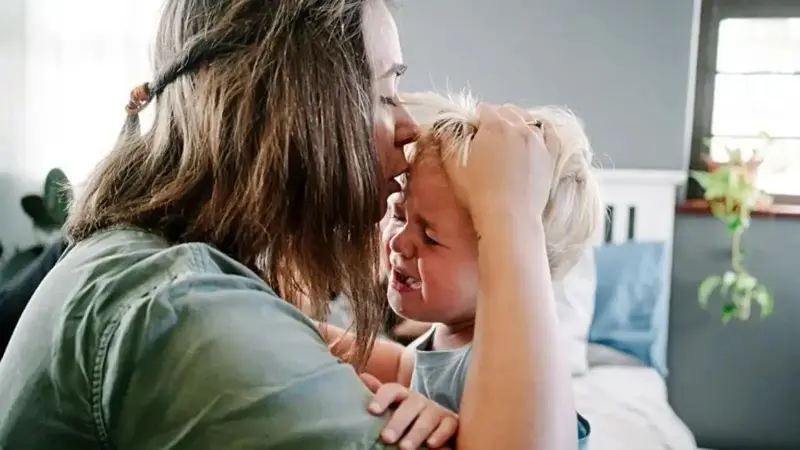
The way one acts, particularly toward others, in response to specific situations or stimuli, is referred to as behaviour. Furthermore, a developing child, especially an adolescent, goes through significant physical and emotional changes. Therefore, it becomes crucial to monitor their behaviour and notice any sudden changes. Moreover, these changes usually indicate that children are experiencing something important; consequently, they need to know that they can receive the appropriate care and support they deserve from their parents, family members, or professionals during this challenging phase of their lives. In addition, if you wish to help your child, you should be aware of the symptoms of behaviour changes. By doing so, you can better understand their needs and provide the necessary support.
What are some common reasons that children exhibit challenging behaviours?
When a child exhibits challenging or undesirable behaviour, such as acting out of character for their age, developmental stage, or cultural background, interfering with another person's rights, endangering themselves, other people, or living things, damaging the physical environment, equipment, or materials, hindering the child's ability to learn and form relationships with others, includes a child presenting as shy, withdrawn or excessively passive.
Here are warning symptoms of behavioural and emotional changes in children:
- Drastic changes in behaviour or personality
- Arguing a lot/asking many questions
- Sibling rivalry
- Speaking irrelevantly when questioned
- Easily getting annoyed or nervous
- Staying away from the activities they enjoyed
- Avoiding eye contact
- Spending more time on social media (watching pornography, gaming, and betting)
- Often appearing angry
- Blaming others/ feeling jealous about others, and low self-esteem regarding their skills
- Self-blaming
- Having difficulty handling frustration
- Frequent tantrums and outbursts
- Feelings of sadness
- Social withdrawal and isolation
- Intense anxiety or worry that interferes with day-to-day activities
- Harming or threatening to hurt themselves or other people
- Suicidal thoughts
- Damaging or destroying property
- Lying or stealing
- Not doing well in school, skipping classes
- Early usage of tobacco, alcohol, drugs, or sexual activities
- Consistent hostility toward authority figures
- Fluctuations in weight
- Neglecting personal hygiene and appearance
- Speech-related issues, for example, stammering/stuttering, cluttering
- Late-night sleeps, late wakeup/ sleep disturbances
- Complaints from schools, giving back answers to teachers
- Blackmailing/manipulating/demanding that their needs should be met immediately, family members
- Procrastination of ADLs and Academic activities
- Issues with peer group/ friends/relationship issues
Read the causes of behavioural changes in children
The causes of behavioural changes may be due to internal and external factors:
1. Internal factors
Internal factors include the biological factors, the child’s emotional development and temperament, the presence of a disability that may impact the child’s social and emotional wellbeing, hormonal changes, depression, anxiety, exposure to drugs, and alcohol.
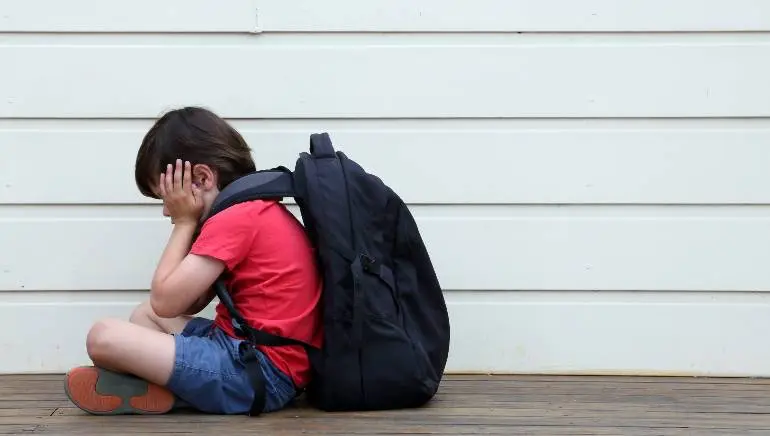
2. External factors
Parenting practises, family dynamics, sibling rivalry, alterations in the family's circumstances, a recent traumatic event, bullying, body-shaming, criticism, physical abuse, sexual abuse, a lack of social experiences, family/cultural expectations, transformation/adjustment issues, and financial crisis are examples of external factors.
How to manage challenging behaviour?
There are a few things you can do to help manage your child's challenging behaviour:
1. Work out with common triggers, which include the environment or certain people.
2. Develop simple coping strategies to reduce stress, such as controlled breathing, relaxation techniques or counting.
3. Stay alert and try to anticipate problems.
4. Parents must observe the child take initiative in handling the situation. In the initial phases, avoid parental anxiety and anger
5. Parents should give a chance to express their feelings, problems and be non- judgemental and guide their children to solve they’re by giving them options rather than pressuring them to
6. Encourage the child to learn how to solve problems, make decisions, and handle their worries.
7. Reward the child for appropriate actions and place more emphasis on their strengths.
8. Refrain from using aggressive language and stick to assertive language.
9. Parents should schedule family time so that everyone may voice their problems and work on solutions.
10. Create a strong support network of family and friends.
11. Seek professional help and guidance from professionals if necessary.