



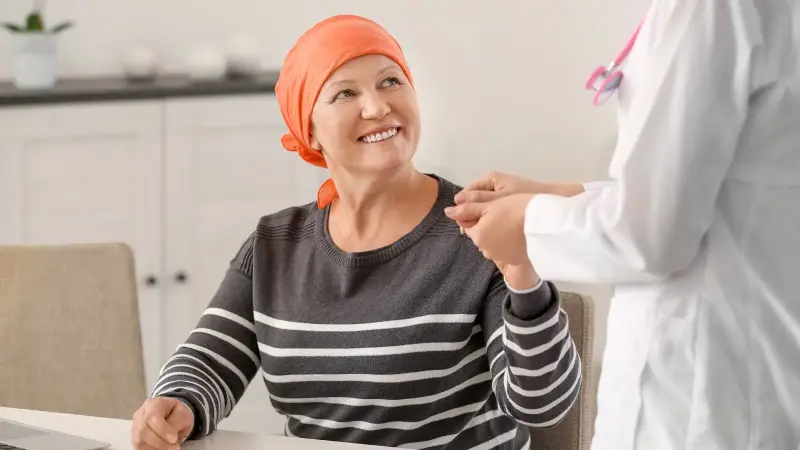
Hearing the words "you have cancer" can instantly turn your world upside down. Along with the emotional shock comes a flood of medical information, unfamiliar terms, treatment options, and difficult decisions. It can feel impossible to know where to begin. While it is natural to search for answers online or seek advice from family and friends, every person's cancer journey is unique. That's why making informed decisions is one of the most important parts of treatment.
According to Dr Anjali Kulkarni, Oncologist and Vice President of RWE Strategy and Analytics, 4baseCare, understanding your diagnosis, asking questions, and actively participating in your care can help you feel more confident throughout the treatment journey.
1. Take time to understand your diagnosis
The first step is understanding exactly what type of cancer you have and how advanced it is. Ask your doctor about the stage of the disease, available treatment options, expected duration of treatment, possible side effects, costs, and recovery.
Although the internet offers endless information, not everything you read applies to your condition. According to Dr Kulkarni, always discuss any information you find online with your oncologist before making decisions.
2. Be an active partner in your treatment
Patients who understand and participate in their treatment decisions often feel more confident and prepared during therapy. Research published in the Journal of Clinical Oncology suggests that shared decision-making improves patient satisfaction and treatment experience.
Don't hesitate to ask your doctor to explain medical terms in simple language. Share your concerns about work, fertility, finances, quality of life, or long-term goals. If the emotional burden feels overwhelming, seeking support from a psychologist or counsellor is an important part of cancer care, not a sign of weakness.
3. Ask whether genomic testing is right for you
Cancer treatment has become increasingly personalised. Rather than following the same treatment plan for everyone, doctors now use precision oncology to understand the genetic changes driving an individual's cancer.
Dr Kulkarni explains that genomic testing can identify mutations that help doctors choose targeted therapies or immunotherapies that may be more effective and cause fewer side effects than traditional chemotherapy. In some cancers, such as breast and ovarian cancer, inherited gene testing can also help family members understand their own future cancer risk and take preventive measures.

4. Learn from cancer survivors and support groups
Talking to people who have already gone through cancer treatment can provide practical advice and emotional reassurance that medical consultations may not always offer.
Whether it is managing chemotherapy side effects, coping with hair loss, returning to work, or dealing with emotional changes, hearing real-life experiences can help reduce anxiety. Support groups and cancer survivor communities often provide encouragement, realistic expectations, and a reminder that patients are not facing the journey alone.
5. Do not ignore your emotional and physical well-being
Cancer affects much more than the body. Fatigue, pain, anxiety, nutritional problems, and reduced mobility can all influence recovery and quality of life. This is where integrative care becomes important. Nutritionists can help manage dietary needs, physiotherapists can improve strength and mobility, psychologists can support emotional health, and yoga or relaxation techniques may help reduce stress. Many hospitals and organisations also offer free cancer support apps and caregiver resources to make treatment easier to navigate.
Taking the time to understand your diagnosis, explore personalised treatment options, seek emotional support, and work closely with your healthcare team can make the journey less overwhelming and help you make decisions that are right for you.