



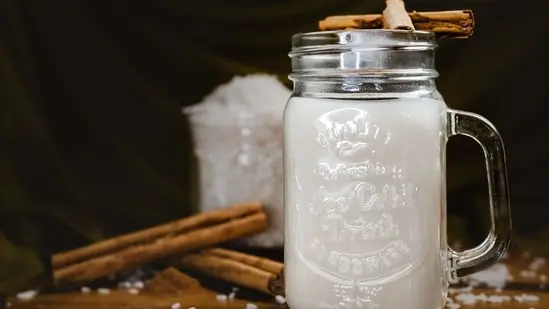
Rice water is having a moment on social media, with beauty enthusiasts using it for everything from facial toning to hair growth and nourishment. But how much of this viral beauty trend is backed by science? In this edition of HT Lifestyle’s series, ‘Internet vs Reality,’ we spoke to Dr Swetha Sridhar, medical director at Dr Swetha’s Skin Sutra Clinic, Bengaluru, to separate fact from fiction.
Also read | The internet says walking after eating can help you burn fat: Here's what expert wants you to know
What does the Internet say?
Social media influencers are increasingly touting rice water as an effective remedy for hair growth, with some using it as a toner while others incorporate it into their hair care routine as a serum.
Content creator Anisa Sojka in an Instagram post has also shared the benefits she got from using rice water toner. She has also explained the process of using it for maximum benefits.
Does rice water actually help hair grow longer and thicker?
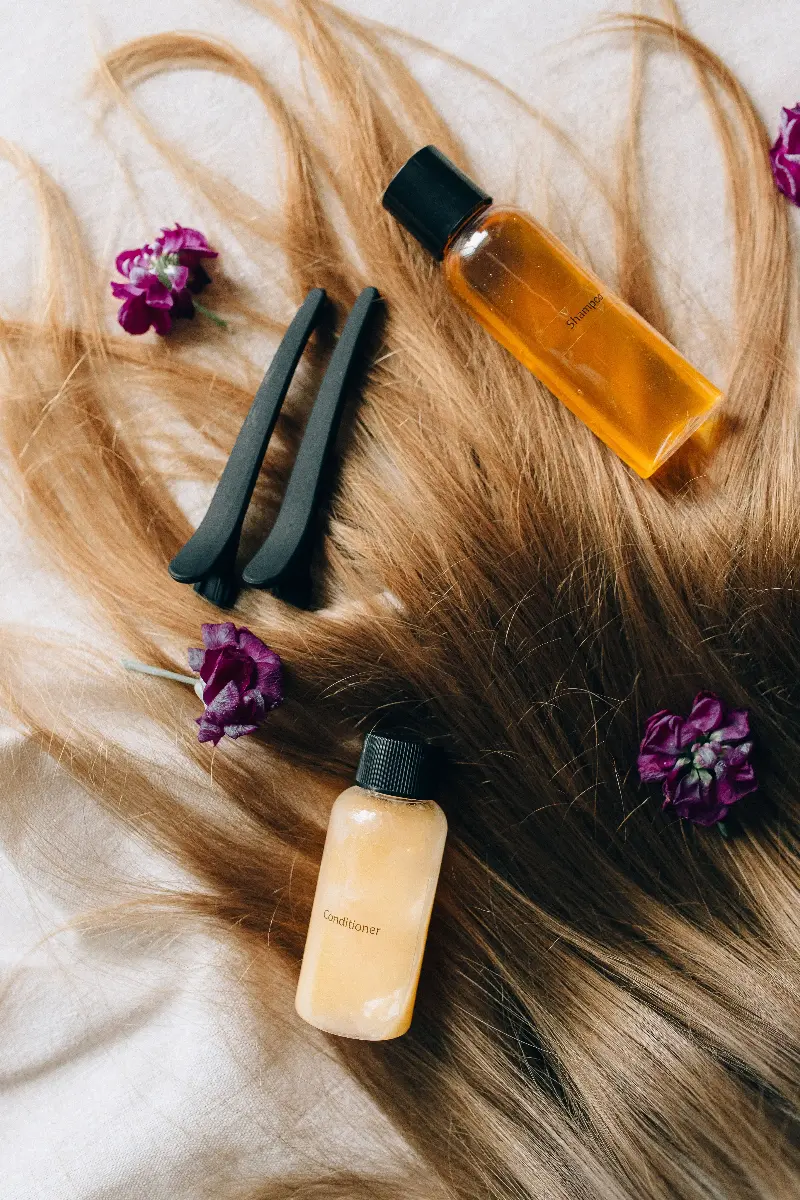
According to Dr Sridhar, rice water has gained popularity as a hair care remedy, largely because it contains starch, amino acids and small amounts of vitamins and minerals. However, the claim that rice water can make hair grow longer and thicker is not supported by strong scientific evidence. While it may offer some cosmetic benefits, it is important to distinguish between improving the appearance of hair and actually stimulating hair growth.
“Rice water contains inositol, a carbohydrate that has been studied for its potential protective effects on hair fibres. Some laboratory research suggests that inositol may help reduce damage to hair strands,” highlighted Dr Sridhar. However, there is insufficient clinical evidence to establish that applying rice water to the scalp promotes hair growth, increases hair density or prevents hair loss. The benefits often attributed to rice water are largely based on anecdotal experiences rather than well-designed human clinical trials.
Impact of rice water
“One possible reason people notice a difference after using rice water is its starch content,” said Dr Sridhar. Starch can coat the hair shaft temporarily, making the hair feel smoother, appear fuller and potentially become easier to manage.
This is a cosmetic effect and should not be confused with an increase in the number of hair follicles or the rate of hair growth. Hair length is influenced by several factors, including genetics, hormonal influences, nutritional status, scalp health and the extent of breakage.
Negative impact of using rice water
There are also potential downsides to using rice water excessively. Its starch and protein residues can accumulate on the hair, leaving it stiff, dry or difficult to manage, particularly in people with certain hair types. “Homemade fermented rice water may also become contaminated if prepared or stored improperly,” said Dr Sridhar. People with sensitive scalps may experience irritation, especially if the preparation contains other ingredients.
Dr Sridhar highlighted that for individuals experiencing hair thinning or excessive hair fall, the priority should be identifying the underlying cause rather than relying on home remedies. Iron deficiency, thyroid disorders, hormonal changes, inadequate protein intake, stress and certain scalp conditions can contribute to hair loss.
A dermatologist can assess the pattern of hair loss and recommend appropriate investigations or treatments, including evidence-based options where indicated.
Note to readers: This article is for informational purposes only and not a substitute for professional medical advice. Always seek the advice of your doctor with any questions about a medical condition.