



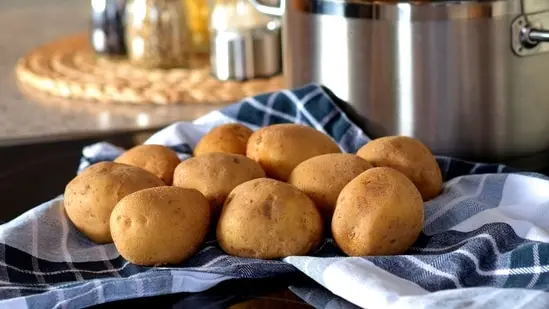
Every refrigerator comes with a produce section, also known as a crisper drawer, that is meant specifically for storing vegetables. However, potatoes, which are arguably the most popular of all vegetables, do not find a place in the drawer or inside the refrigerator in general. Here is the reason why.
Also Read | Everyday explained: Why is there a separate produce drawer in the refrigerator?
Why potatoes are not stored in the refrigerator
There are two primary reasons why potatoes are not stored in the refrigerator. The first, and the most basic reason, is that being stored in the refrigerator affects the taste and texture of the potatoes.
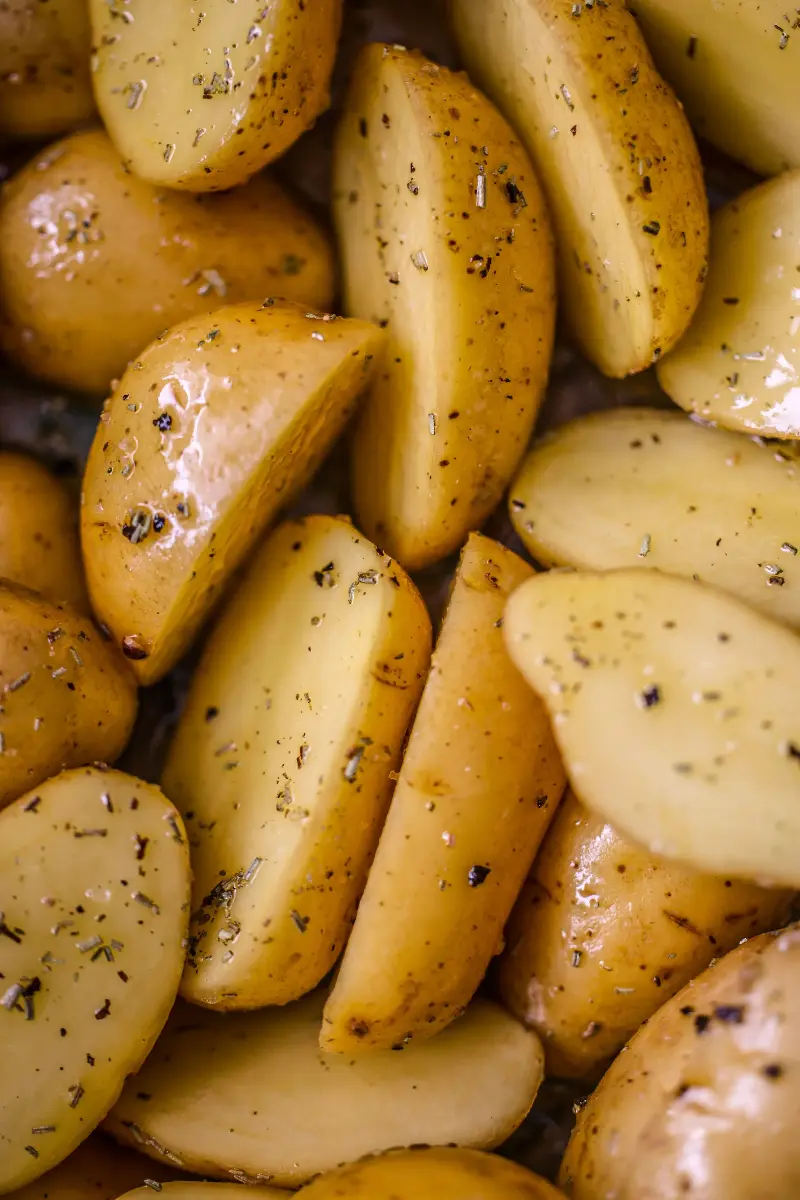
This is because in the cold temperature within the refrigerator, the starch in potatoes gets degraded, and sucrose is hydrolysed to form glucose and fructose. As a result, potatoes become sweet and gritty, and while it might not be harmful to health, it does spoil many recipes.
The second reason is more health-related. As per the U.S. Food and Drug Administration (FDA), when refrigerated potatoes are cooked at high temperatures, such as while baking, frying, or roasting, it can lead to the formation of a potentially dangerous chemical compound - acrylamide.
Research has shown that high levels of acrylamide can cause cancer in animals. Studies on the effects of low levels of acrylamide in the human diet are inconclusive. However, the chemical is still considered “likely to be carcinogenic to humans” by the Environmental Protection Agency (EPA).
How best to store potatoes
When it comes to storing potatoes, the traditional way is the way to go. They can be easily stored outside the refrigerator with almost no hassle. Some things to keep in mind while storing the spuds are presented as follows.
- Inspect for damage: Before storing potatoes, it is always best to inspect them for damage from pests, handling, or disease. It is best not to keep damaged potatoes for long, and store only the perfect ones. Damaged parts of potatoes can be discarded, and the good parts can be used right away.
- Choose the right container: Raw potatoes should be placed in a cardboard box, paper bag, mesh bag, or basket to ensure good ventilation. It is best not to store potatoes in plastic bags, as they reduce air circulation and shorten their shelf life.
- Find the right location: Potatoes are best stored in a cool, humid, and dark place. The ideal temperature range is between 45 and 50 degrees Fahrenheit, which is warmer than a fridge but cooler than room temperature. It is important to keep potatoes away from the light, as they can turn green as a result of chlorophyll production. The same process also produces glycoalkaloids, which are toxic in large quantities.