



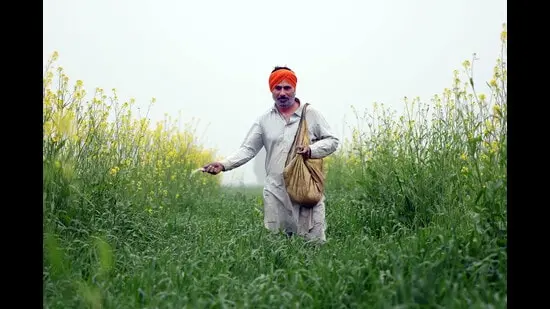
Punjab’s identity has long been rooted in its fields. As one of India’s foremost agricultural states, it rose to national prominence during the Green Revolution, when its farmers became central to the country’s food security and rural prosperity. Supporting this transformation was a strong network of cooperative institutions that evolved alongside agricultural growth. These cooperatives provided farmers with access to credit, ensured timely procurement and distribution of inputs, and strengthened their bargaining power — creating an integrated framework for rural development that combined economic efficiency with community participation.
Institutions that built rural confidence
Punjab State Cooperative Supply and Marketing Federation Ltd (MARKFED) provided a market stabilisation mechanism and reliable procurement systems that gave farmers a sense of security. Similarly, the Punjab State Cooperative Agricultural Development Bank increased the availability of long-term rural credit for investments in irrigation, mechanisation and infrastructure development for farmers’ benefit.
At the same time, Verka, emulating Amul, demonstrated how farmers working together in a dairy cooperative could generate additional income from their produce.
The cooperative institutions developed during this period acted not merely as administrative structures but as embodiments of a social contract with farmers. Built on shared ownership and local participation, they fostered trust and confidence between farmers and their cooperatives.
Emerging challenges and institutional decline
In recent years, however, the performance of these cooperative institutions has declined. Governance challenges, political interference and weakened accountability frameworks have adversely affected their functioning. Many cooperative banks are experiencing financial distress, including rising non-performing assets (NPAs).
The development of professional management practices in a rapidly changing agricultural economy has not kept pace with the speed of change and technology adoption has remained inconsistent. These shortcomings have reduced operational efficiency and transparency, undermining the cooperatives’ effectiveness.
Reform efforts and new opportunities
The Government of India has taken steps to strengthen the cooperative framework through the establishment of the ministry of cooperation, signalling the importance of cooperatives in achieving inclusive economic growth. Computerisation of Primary Agricultural Credit Societies (PACS) and their integration into a transparent digital ecosystem are essential reforms aimed at strengthening agricultural credit institutions.
Additionally, there are many opportunities to expand cooperatives’ role into many functions that are outside their traditional areas; such as: agri-processing, exports, organic farming and value‐added agricultural products. If these reform measures address the realities faced by the state of Punjab, there exists potential for cooperatives to become revitalised as institutions that already reach down to grassroots levels.
Diversification, employment and rural resilience
For Punjab, the cooperative movement must assist in diversifying and becoming more resilient for agricultural producers. By supporting farmers in the transition away from traditional crops to other higher value crops such as horticulture, oilseeds and pulses, cooperatives can assist farmers with both market access and price discovery. Additionally, cooperative businesses have the potential for creating jobs within the dairy and fisheries industries as well as in many agro-based industries and provide additional opportunities for all agricultural producers in rural areas where limited options exist for generating a reasonable standard of living. This is a critique designed not to blame anyone but to recognise that “an ounce of prevention is worth a pound of cure”.
Catalysts for rural transformation
The tenets of trust will remain fundamental, however, these core cooperative values can guide us in making cooperatives catalysts for rural transformation through the power of thoughtful reform, institutional discipline, and active participation by their communities. Revitalisation of this sector is about preparing Punjab’s agrarian economy for future challenges. With serious and honest efforts towards cooperative reform, cooperatives can help create a diversified, resilient, and self-sufficient rural Punjab — honouring its legacy while moving beyond it.
(The writer is a Rajya Sabha member. Views expressed are personal.)