



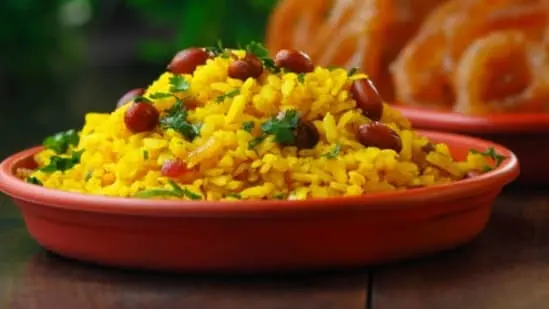
Chef Sanjeev Kapoor's protein-rich vegetable poha gives a wholesome twist to a much-loved Indian favourite by adding ingredients that increase protein and fibre without making the dish heavy. Popular among sanjeev kapoor vegetable poha recipe fans, this breakfast is easy to prepare and fits well into busy mornings.
Poha has been enjoyed across many Indian states for generations, especially in Maharashtra and Madhya Pradesh, where it is a popular breakfast choice. Flattened rice naturally provides iron and easy-to-digest carbohydrates, while green peas, carrots, beans, and peanuts add fibre and plant protein. Paneer, roasted seeds, or chickpeas can further improve the nutritional profile. A squeeze of fresh lemon enhances iron absorption, making healthy vegetable poha for weight loss a balanced meal option.
The dish starts by lightly cooking mustard seeds, curry leaves, onions, and vegetables before adding soaked poha and mild spices. Peanuts add plant protein and healthy fats, while green peas and carrots contribute fibre, vitamins, and natural sweetness. Fresh coriander and lemon juice enhance flavour and help improve iron absorption from poha. Optional paneer or sprouts increase the protein content, making the dish more balanced and suitable for active lifestyles. The quick cooking process preserves the freshness and texture of the vegetables, creating a nutritious breakfast that works well for busy weekdays and summer mornings.
Regular poha mainly combines flattened rice with onions and basic seasonings, while Chef Sanjeev Kapoor's protein-rich vegetable poha includes vegetables, peanuts, and protein-rich additions for greater nutritional balance. The enhanced version offers more fibre, protein, and texture while maintaining the light and refreshing qualities that make poha a favourite breakfast across India.
Protein-Rich Vegetable Poha vs Regular Poha: Which Breakfast Offers Better Nutrition?
Feature |
Protein-Rich Vegetable Poha |
Regular Poha |
|---|---|---|
Main Ingredients |
Poha, vegetables, peanuts, paneer |
Poha, onions, basic spices |
Protein Content |
Higher |
Moderate |
Texture |
Crunchy and colourful |
Soft and simple |
Taste |
Nutty and mildly spicy |
Light and savoury |
Iron Content |
Higher with vegetables and lemon |
Naturally present |
Weight-Loss Friendly |
Better due to added protein |
Good |
Satiety |
Longer lasting |
Moderate |
Nutritional Balance |
More balanced |
Basic |
Best For |
Healthy breakfast |
Quick everyday meal |
Fibre |
Rich |
Moderate |
Quick Facts About This Breakfast Favourite
Preparation Time: 10 minutes
Cooking Time: 15 minutes
Total Time: 25 minutes
Servings: 4
Difficulty: Easy
Cuisine: Indian
Main Ingredient: Flattened rice
Best Served With: Curd or fresh fruit
Chef Sanjeev Kapoor's Protein-Rich Vegetable Poha Recipe
Fresh vegetables, crunchy peanuts, and soft poha create a colourful breakfast packed with protein, flavour, and everyday nutrition.
Ingredients
- 2 cups thick poha
- 1 onion, chopped
- ½ cup green peas
- ½ cup carrots, chopped
- ¼ cup beans, chopped
- ¼ cup roasted peanuts
- ½ cup paneer, crumbled
- 1 tablespoon oil
- 1 teaspoon mustard seeds
- 8 curry leaves
- 2 green chillies, chopped
- ½ teaspoon turmeric
- Salt to taste
- 1 tablespoon lemon juice
- 2 tablespoons coriander leaves
Instructions
- Wash the poha gently and let it rest for a few minutes until soft but separate.
- Heat oil in a pan and add mustard seeds, curry leaves, and green chillies until aromatic.
- Add chopped onions and cook until they become soft and translucent.
- Stir in the carrots, beans, and green peas, then cook until slightly tender.
- Add turmeric and salt, mixing the spices evenly with the vegetables.
- Fold the softened poha into the vegetable mixture and combine gently.
- Add roasted peanuts and crumbled paneer to increase the protein content.
- Cook everything together for two to three minutes on low heat.
- Mix in fresh lemon juice and chopped coriander leaves before serving.
- Serve the protein-rich vegetable poha hot as a wholesome breakfast.
Smart Ways to Make Vegetable Poha More Nutritious
- Add sprouts to the poha to naturally increase the protein and fibre content.
- Mix crumbled paneer into the recipe for extra calcium and high-quality protein.
- Include colourful vegetables such as capsicum, carrots, and peas for additional vitamins.
- Sprinkle roasted pumpkin or sunflower seeds over the poha for healthy fats and minerals.
- Use roasted peanuts instead of fried peanuts to keep the meal lighter.
- Add fresh coriander and mint leaves to improve flavour and antioxidant intake.
- Squeeze fresh lemon juice over the poha to help improve iron absorption.
- Cook the poha with minimal oil to maintain a balanced calorie level.
- Include boiled chickpeas for additional plant-based protein and texture.
- Pair the poha with a bowl of curd for probiotics and extra nutrition.
Nutritional Value of Protein-Rich Vegetable Poha
Protein-rich vegetable poha combines flattened rice, vegetables, nuts, and dairy to provide balanced energy and essential nutrients">balanced energy and essential nutrients">balanced energy and essential nutrients.
Nutrient |
Approximate Amount Per Serving |
|---|---|
Calories |
290 kcal |
Protein |
11 g |
Carbohydrates |
38 g |
Fat |
10 g |
Fibre |
5 g |
Iron |
3.5 mg |
Calcium |
160 mg |
Potassium |
320 mg |
Vitamin C |
18 mg |
Folate |
45 mcg |
FAQs
Is Chef Sanjeev Kapoor's Protein-Rich Vegetable Poha good for weight loss?
Chef Sanjeev Kapoor's Protein-Rich Vegetable Poha combines fibre and protein, making the breakfast suitable for balanced weight-management plans.
How can Chef Sanjeev Kapoor's Protein-Rich Vegetable Poha become higher in protein?
Chef Sanjeev Kapoor's Protein-Rich Vegetable Poha can include paneer, sprouts, roasted peanuts, seeds, or boiled chickpeas for extra protein.
Can Chef Sanjeev Kapoor's Protein-Rich Vegetable Poha be prepared for meal prep?
Chef Sanjeev Kapoor's Protein-Rich Vegetable Poha can be prepared ahead and stored for a convenient breakfast or lunch option.