



Insulin resistance develops when the body's cells become less responsive to insulin, the hormone responsible for moving glucose from the bloodstream into cells for energy. As a result, the pancreas is forced to produce more insulin to keep blood sugar levels under control, creating a cycle of elevated insulin and worsening metabolic health. Often driven by years of poor dietary habits, inadequate sleep, chronic stress, and physical inactivity, insulin resistance can quietly increase the risk of type 2 diabetes and other health complications.
Also Read | Reverse insulin resistance in 90 days: Dietician shares diet and exercise plan to reset your metabolism in 3 phases
Allison Christel, a nurse practitioner who specialises in plant-based nutrition for mothers, is highlighting how targeted dietary changes can help address lifestyle and metabolic concerns such as insulin resistance. In an Instagram video shared on June 2, she explains, “I was diagnosed with insulin resistance at 25. I was working out four to five days a week, eating what I thought was healthy, and still the heaviest and most exhausted I had ever been in my life. Bloated every night. Crashing every afternoon. Puffy every morning. And a lab result that said my insulin was elevated with zero guidance on what to actually do about it.”
Foods to improve insulin resistance
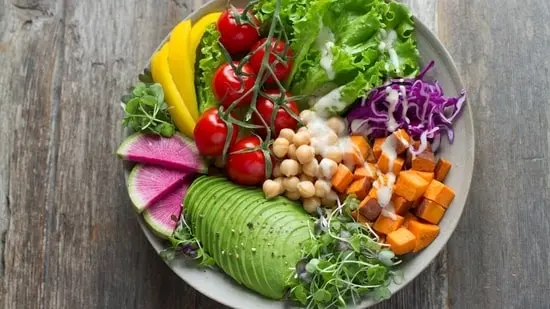
The solution for Allison's insulin resistance was on her plate. The right foods can act as medicine for the body, helping nourish the gut, close the fibre gap, and improve metabolic health. Since poor gut health, inflammation and inadequate fibre intake are closely linked to conditions such as insulin resistance, making targeted dietary changes can have a significant impact.
Allison shares 10 foods that helped her naturally improve insulin resistance through nutrition by increasing fibre intake and reducing inflammation. These simple dietary changes have helped her keep insulin resistance at bay for six years – without relying on supplements.
1. Ground flaxseed: One tablespoon a day is non-negotiable.
2. Berries: Eat them daily if you can, especially blueberries.
3. Leafy greens: Spinach, arugula, kale. At least one cup a day.
4. Lentils or beans: This is your fibre foundation. Eat these every single day.
5. Walnuts: They are anti-inflammatory, contain omega-3s and actually keep you full.
6. Avocado: Healthy fat plus fibre. Your hormones need this.
7. Sweet potato: Eat every day for fibre, beta-carotene, and blood sugar support.
8. Oats: Stop skipping breakfast. Have oats for slow-digesting, gut-feeding, and insulin-stabilising fibres and complex carbs.
9. Broccoli or cauliflower: Cruciferous vegetables fight inflammation at the cellular level.
10. Soy: Edamame, tofu, soy milk, or any whole form of soy. Whole food soy is a powerful anti-inflammatory protein that supports hormone balance.
Allison concludes, “Notice what is not on this list? A supplement. A weight loss shake. A meal replacement in a box. Just real food. More plants. More fibre. Less inflammation.”
Note to readers: This article is for informational purposes only and not a substitute for professional medical advice. It is based on user-generated content from social media. HT.com has not independently verified the claims and does not endorse them.