




Today's tip of the day is about our daily salt consumption. Salt adds flavour to our meals. While too little of it can make food bland, excessive sodium intake can lead to many health concerns. According to the World Health Organisation (WHO), an estimated 1.89 million deaths each year are associated with consuming too much sodium, a well-established cause of raised blood pressure and increased risk of cardiovascular disease.
Also Read | Bengaluru doctor warns about pink salt dangers after child develops 'very severe thyroid swelling' after 2 years of use
Reducing sodium intake is one of the most cost-effective ways to improve health and reduce the burden of several diseases, including averting many cardiovascular events and deaths.
Sodium in your diet
Your body needs a small amount of sodium to work properly, but too much sodium can be bad for your health. According to Eat Right India, an average Indian consumes around 11 g of salt/day, which is double the recommended amount (5 g/d).
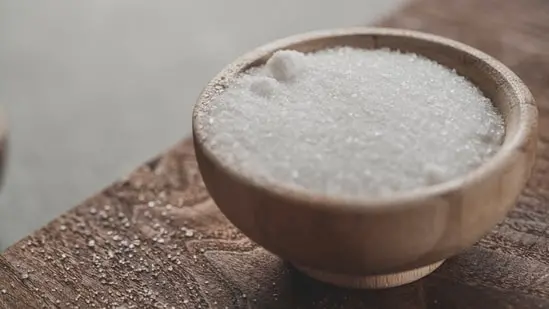
According to the US Food and Drug Administration, diets higher in sodium are associated with an increased risk of developing high blood pressure, which is a major cause of stroke and heart disease.
WHO recommends adults consume less than 2000 mg/day of sodium (equivalent to less than 5 g/day salt), or just under a teaspoon. As for children aged 2–15 years, it recommends adjusting the adult dose downward based on their energy requirements. This recommendation for children does not address the period of exclusive breastfeeding (0–6 months) or complementary feeding with continued breastfeeding (6–24 months).
Sodium is an essential nutrient necessary for the maintenance of plasma volume, acid-base balance, nerve impulse transmission, and normal cell function. Meanwhile, the guidelines also suggest that all salt consumed daily should be iodised (fortified with iodine), which is essential for healthy brain development in the foetus and young child and for optimising mental function in general.
Look at the label
Despite what many people think, most dietary sodium (over 70%) comes from eating packaged and prepared foods, as per the US Food and Drug Administration. So, before you stop adding fortified table salt to your meals, pause and read the label.
According to the Centres for Disease Control and Prevention (CDC), about 40% of the sodium consumed by Americans comes from the following foods: deli meat sandwiches, pizza, burritos and tacos, soups, savoury snacks (chips, crackers, popcorn), poultry, pasta mixed dishes, burgers, egg dishes, and omelettes.

Habits to cut down daily intake
Here are a few habits, as recommended by Eat Right India, that can help you cut down your daily sodium intake:
- Do not add salt to rice and dough for chapati, poori, and paratha.
- Do not sprinkle salt on salad, cut fruits, cooked vegetables or curd. Enjoy their natural taste!
- Limit foods such as salted butter, salty spice mixes (chaat masala, jal jeera masala, etc.), chutneys, pickles, papads, ketchups, sauces, and dressings, as they contain excess salt.
- Baking soda, baking powder, and monosodium glutamate (MSG) also contain high sodium: Avoid using these in your daily cooking.
Note to readers: This article is for informational purposes only and not a substitute for professional medical advice. Always seek the advice of your doctor with any questions about a medical condition.
This report is based on user-generated content from social media. HT.com has not independently verified the claims and does not endorse them.