




A recent Forbes Health survey reveals that 78 per cent of users feel emotionally drained by ghosting, dishonesty, and the absence of meaningful connection, despite nearly half still searching for long-term love. And the dating app epidemic, big or small in brand name, continue to host a mix of passive and deeply dedicated clientele. Most users juggle multiple apps at once, investing close to an hour daily in the pursuit of compatibility. In response to mounting swipe fatigue, Tinder for one, has begun testing AI-driven features like ‘Chemistry’, designed to decode personality and intention more efficiently.
People may believe they're looking for connection - or literally are - but the lack of amicable outcomes is what is ensuring this fatigue doesn't just persist on their screens but also weighs heavy on their emotional psyche. Over time, disappointment shifts behaviour, nudging daters toward forming a semblance of connections that feel safer, smaller and easier to control.
We're currently passively contending with the era of tightly-managed romances: 6–7 dating, where intimacy is confined to a predictable daily window; roster dating, which distributes emotional risk across multiple partners; and choremancing, where the starting point of effort is reduced to running mundane errands together. Each promises convenience and reduced vulnerability, reframing love as something to be scheduled, diversified and easily discarded if needed.
The primary umbrella argument in favour of these dime-a-dozen dating 'hacks' is personal convenience, and that may be true to a significant extent. But one also can't deny the subversion tactics for real emotional investment and romance.
We asked a relationship expert and a psychologist to weigh in on the complex dynamics of modern romance.
Romantic burnout is almost unavoidable
Sidhharrth S. Kumaar, Relationship Coach at NumroVani, believes modern dating's evolution has grown from being a deeply personal pursuit, to one that is very easily swayed by peer pressure, literal or even through a screen. As per him, emotionally low risk dating styles stand primarily rooted in the fear of emotional failure, too many options creating hesitation to commit, a rampant casual dating culture which normalises low investment which eventually leads to breakups feel costlier in time and energy today - or conversely, completely disposable. Social media and dating apps consistently being the window to an endless stream of 'better options', doesn't really help either.
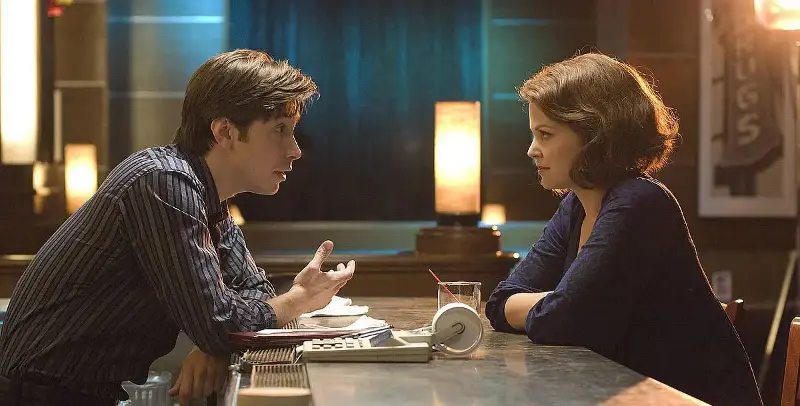
Now while the impact on each individual victimised by this system may differ in degree, the broad them of disappointment can't be ignored. Pulkit Sharma, clinical psychologist and author says, "I think ghosting, swipe fatigue and repeated disappointments lead to what I call 'romantic burnout' in people. And now you would have seen there are many who say 'we are happy being alone', 'we don't want a relationship' and they prefer hookups and 'no-strings attached' (equations) to deeper relationships. That has been a very sad (development)."
Who are dating trends really serving?
Call us old school, but romance was never meant to be compartmentalised, let alone a potential long-term partner. So trends like 6-7 dating, rotating rosters and choremancing, only truly serve those who are genuinely okay with the idea of not having real connection in their lives. Sidhharrth says, "Based on my experience of working with people, it acts as roadblock in path of genuine connection. Emotional availability stays scattered because vulnerability rarely grows in 'time-slot' intimacy, and partners sense they’re replaceable, which reduces bonding."
The tendency to actively lean into these intimacy compartmentalising trends are colloquial pointers to emotional risk management, which isn't all that healthy in the long run. Pulkit reflects, "Emotional risk management, I wouldn't say it's a very healthy thing, because it is making people very fearful of relationships and it makes them avoid relationships. But at the same time, I also agree that people don't have an option. Because there's such a flood of information, they have had so many negative experiences with so many people that they are genuinely very broken from inside. So it becomes a very natural response. It's very natural in this age I would say, but still not normal."
Final word of advice
Wanting to work on rewiring your brain is a noble but incredibly trying pursuit. Pulkit shares, “My advice to any couple who is anxious-avoidant, would be, that if they really love each other, they should try and understand each other, talk about stuff openly. Maybe take professional help. Because these attachment styles are very deep-seated. They won't really respond to daily interventions. And secondly, I say this to everyone, that a relationship cannot be formed on the basis of theories, trends and impulses. If you are a very anxious person, you should ideally look for a partner who reassures you, not a partner who avoids you. And similarly, if you are a very avoidant person, you should look for a partner who gives you a lot of space in the relationship. If we are aware of our needs and choose the right partner accordingly, a lot of problems can be simply avoided.”
Conversely, if you're really very serious about ending your dating ordeals and coming out strong on the other end with a partner, Sidhharrth believes it may be time to look into working with a dating coach. But the first step will always be, being absolutely clear with yourself. He says, "Date for alignment, not validation. Don’t rush emotionally; take your time and be honest, but only open up step by step and trust actions more than words. Choose to leave confusion sooner than comfort," because, "Love grows where both people feel safe and try."