


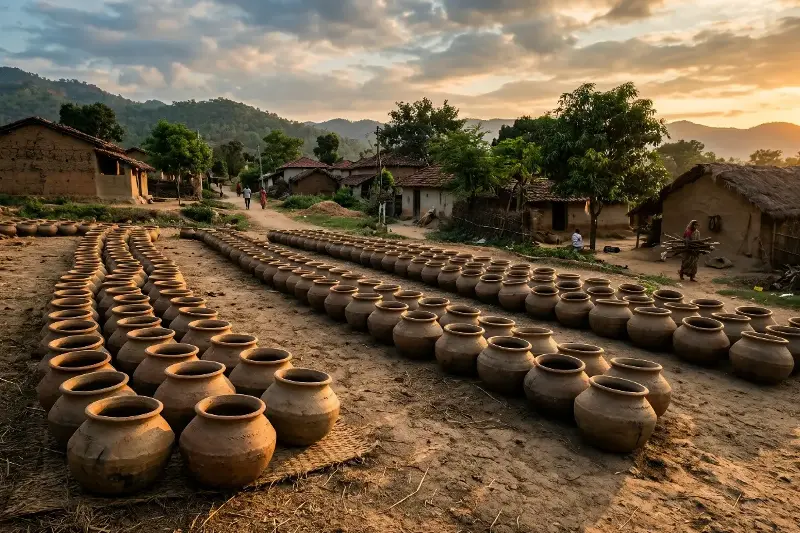
Clay carries the memory of a place. In historic pottery villages, that legacy is alive in the color of local soil, the shape of water jars, the smoke from traditional kilns, and the hands of master makers. These inspiring destinations offer far more than beautiful travel souvenirs—they invite visitors to witness living heritage, meet passionate artisans, and understand how everyday functional objects become cultural masterpieces.
Jingdezhen, China: The World’s Porcelain Capital
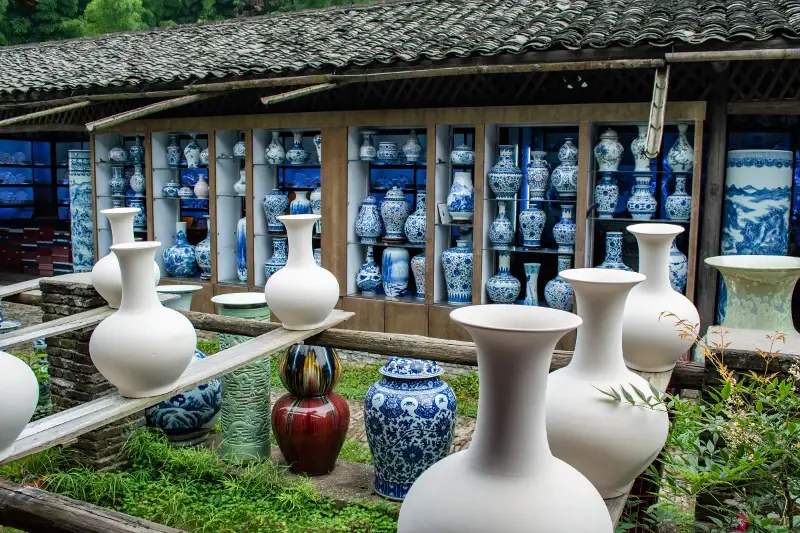
Renowned worldwide as the historic center of ceramic excellence, Jingdezhen in Jiangxi province has refined its craft for over 1,700 years. Its international fame grew during the Song and Yuan dynasties, when its exceptionally fine white porcelain became prized by imperial courts and global collectors alike.
Visitors can explore a vibrant mix of historical tradition and modern creativity:
- Historic Kiln Sites: Walk through ancient production grounds at Hutian and explore imperial artifacts at the Jingdezhen Ceramic Museum.
- Creative Districts: Discover Tao Xichuan, a former porcelain factory transformed into a bustling hub for contemporary designers.
- Weekend Art Markets: Connect with young ceramic artists bringing innovative ideas to classic blue-and-white porcelain techniques.
Mashiko, Japan: The Heart of Folk Art Tradition
Located roughly 100 kilometers northeast of Tokyo, Mashiko is celebrated for its warm hospitality and earthy mashiko ware. Made using mineral-rich local clay and natural ash glazes, these creations showcase soft, inviting tones.
The town gained global renown through legendary potter Shōji Hamada, who championed the mingei (folk art) movement celebrating handmade, functional beauty:
- Museum & Historic Studio: Tour Hamada’s preserved workshop at the Mashiko Museum of Ceramic Art.
- Seasonal Pottery Fairs: Browse hundreds of bustling outdoor stalls during the popular spring and autumn ceramic festivals.
- Hands-On Workshops: Try your hand at the potter's wheel under the guidance of local studio masters.
Mata Ortiz, Mexico: A Desert Renaissance
In the high desert of northern Chihuahua, Mata Ortiz represents one of Latin America's most inspiring artistic revivals. In the 1970s, local artist Juan Quezada Celado studied ancient Paquimé pottery fragments to reconstruct and revive their intricate geometric painting techniques.
Today, entire families work together to create world-class, hand-formed vessels:
- Handmade Mastery: Artisans shape vessels without electric wheels or commercial molds, polishing surfaces to a brilliant sheen.
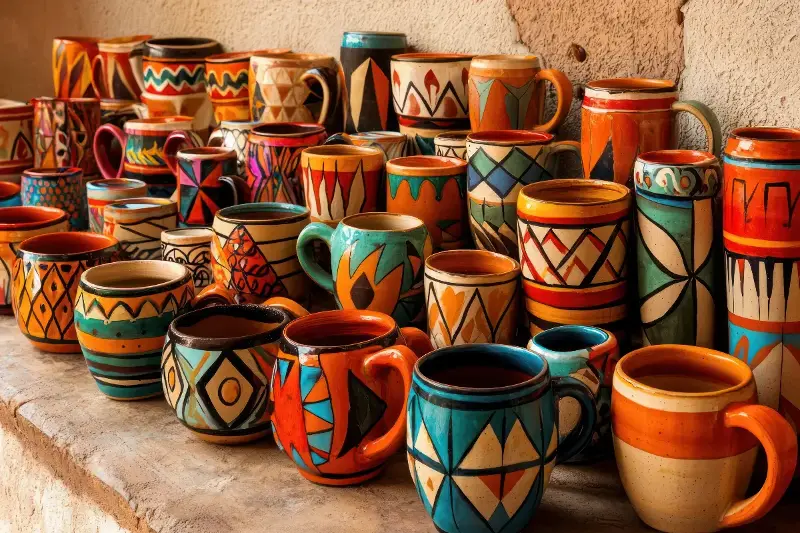
- Intricate Patterns: Pots are painted by hand with delicate black, red, ochre, and cream motifs using natural mineral pigments.
- Open Workshops: Travelers are welcomed directly into family studios to observe every step from raw clay preparation to open-air firing.
La Chamba, Colombia: Glossy Black Masterpieces
Nestled along the Magdalena River in Colombia’s Tolima department, La Chamba is famous for its distinctive, glossy black cookware. For generations, local women artisans have led this tradition, crafting durable cookware, bowls, and serving pieces from rich riverbank clay.
The village’s striking pottery achieves its deep black luster through meticulous hand-burnishing and an oxygen-reduced firing process. Beyond its stunning visual appeal, La Chamba ware is celebrated worldwide for its strength and heat retention in the kitchen.
Caltagirone, Italy: Sicily’s Sun-Drenched Ceramics
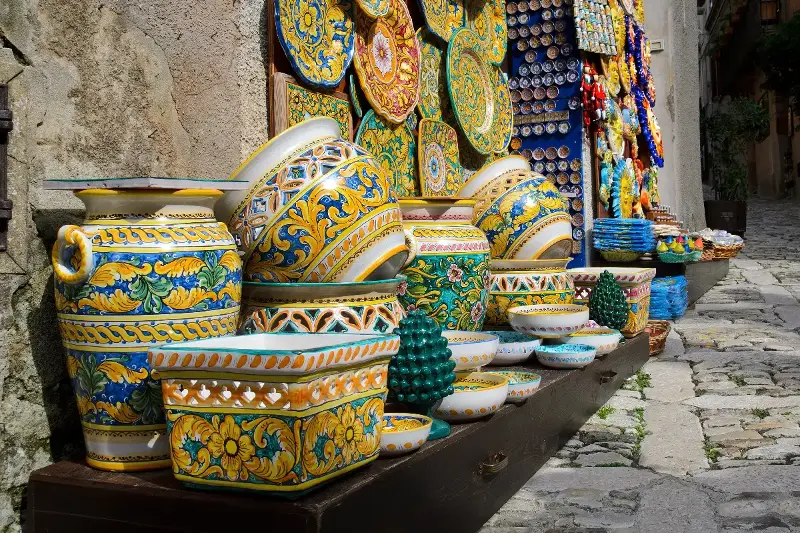
Perched gracefully on a Sicilian hilltop, Caltagirone sparkles with vibrant maiolica ceramics. The town’s rich artistic lineage reflects centuries of peaceful cultural exchange, bursting with warm terracotta, radiant yellow, cobalt blue, and emerald green glazes.
Highlights for travelers exploring Caltagirone include:
- Scalinata di Santa Maria del Monte: Climb the iconic 142-step staircase, where every riser is decorated with unique hand-painted ceramic tiles.
- Artisanal Treasures: Discover traditional painted plates, ornate decorative vases, and famous teste di moro ceramic sculptures.
- Festive Celebrations: Experience the town during local festivals, when the historic tile steps are lit with thousands of glowing lights.
Safi, Morocco: A Coastal Mosaic of Color
On Morocco’s breezy Atlantic coast, Safi serves as a primary center for Moroccan ceramic art. Its heritage weaves together Amazigh, Arab, and Andalusian influences to produce colorful tagines, intricate tiles, and hand-painted decorative bowls.
The famous Colline des Potiers (Potters' Hill) forms the heart of the city's production:
- Active Hillside Workshops: Watch potters shape clay on traditional kick-wheels alongside historic wood-fired kilns.
- Signature Palettes: Admire eye-catching glazes featuring vivid turquoise, cobalt blue, deep green, and crisp white motifs.
- National Ceramics Museum: Gain deep appreciation for the region's artistic evolution through curated historical collections.
Seagrove, United States: America’s Potters' Haven
Seagrove, North Carolina, boasts one of the dense concentration of ceramic artists in North America. With over 100 working potters living in the surrounding countryside, the community honors a craft lineage dating back to eighteenth-century settlers.
Seagrove is celebrated for its incredible variety of styles:
- Artistic Diversity: Discover salt-glazed stoneware, wood-fired vessels, fine porcelain, and sleek contemporary dinnerware.
- Studio Trails: Drive scenic wooded roads to visit independent, home-based studios tucked into the rolling hills.
- Pottery Festivals: Attend the annual Seagrove Pottery Festival to meet dozens of passionate makers in a single weekend.
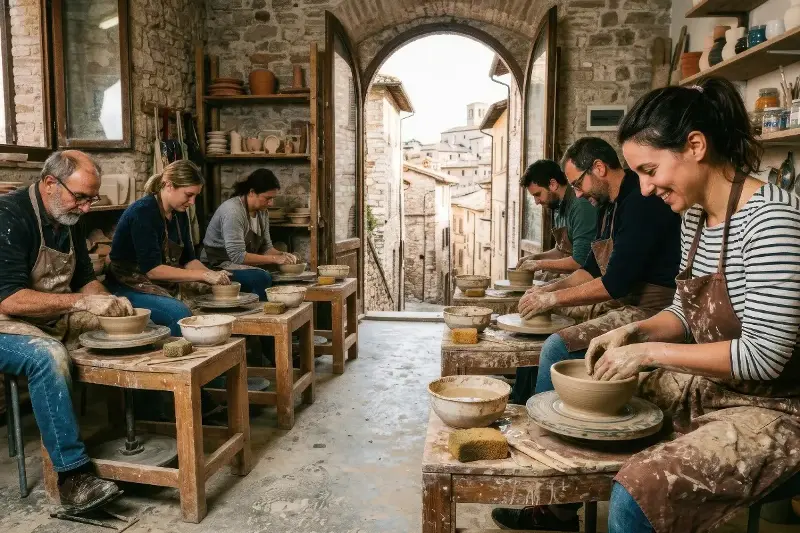
A Lasting Lesson in Craft and Community
Pottery tourism is slow travel at its best. It encourages us to pause, observe carefully, and value objects crafted with patience, skill, and human touch.
Whether you bring home a polished black dish from Colombia, a painted Sicilian tile, or a handcrafted tea cup from Japan, each piece carries a tangible connection to the soil, history, and creative spirit of the community where it was born.