


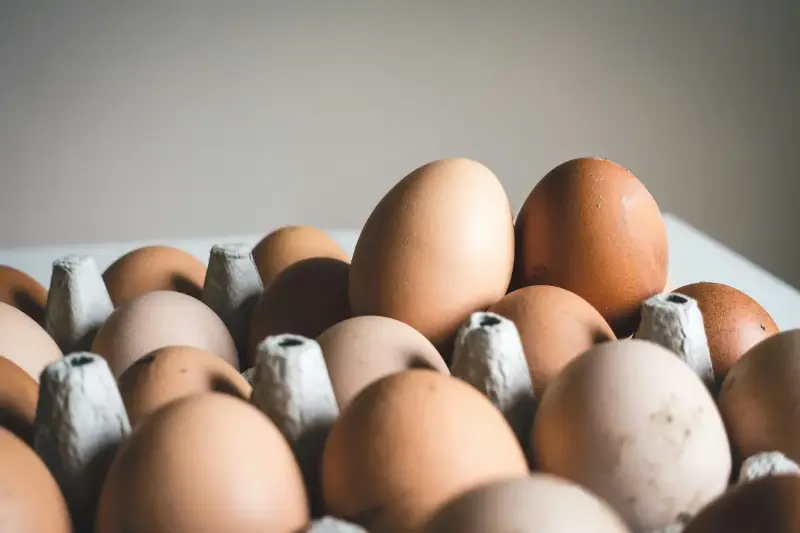
A large egg provides about 6 grams of protein, making it a familiar benchmark for quick, satisfying nutrition. But eggs are far from the only convenient protein source in an everyday kitchen. Several common foods can deliver significantly more protein per typical serving, often bundled with useful extras such as fiber, calcium, healthy fats, or iron.
Whether you are building a filling breakfast, recovering after exercise, or simply trying to stay satisfied between meals, these everyday kitchen staples can help. Spreading protein intake evenly across your daily meals is a practical, effective habit for long-term energy and muscle maintenance.
Greek Yogurt and Cottage Cheese
Dairy staples provide some of the simplest ways to surpass an egg's protein content without needing to turn on the stove.
- Greek Yogurt: A single 170-gram pot of non-fat plain Greek yogurt contains an impressive 15 to 18 grams of protein. Its thick, velvety texture comes from straining out liquid whey, concentrating both protein and calcium. Enjoy it as a breakfast bowl with fruit and oats, or use it as a creamy base for salad dressings.
- Cottage Cheese: A half-cup serving delivers roughly 12 to 14 grams of protein—more than double that of a large egg. It is rich in casein, a slowly digested milk protein that helps sustain fullness. Try it paired with sliced tomatoes and black pepper on whole-grain toast, or blend it into smoothies and baked dishes.

Chicken Breast and Canned Tuna
Lean animal proteins remain some of the most efficient options when you want to lift the nutritional value of a meal quickly.
- Cooked Chicken Breast: Just an 85-gram portion of skinless chicken breast provides 25 to 27 grams of protein, alongside essential B vitamins, niacin, and selenium.
- Canned Tuna: Drained light tuna packed in water supplies about 20 grams of protein per 85-gram serving. It makes an effortless sandwich filler when mixed with Greek yogurt and mustard, or a simple addition to pasta salads and grain bowls.

Lentils, Beans, and Soy Products
Plant-based ingredients easily beat an egg in protein when served in hearty, satisfying portions, while offering incredible versatility.
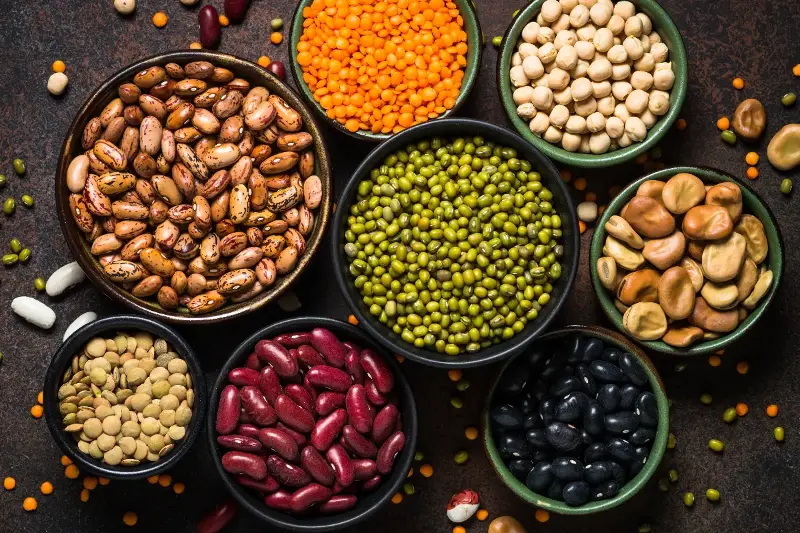
- Lentils: One cooked cup yields a massive 18 grams of protein plus 15 grams of dietary fiber. This combination promotes lasting fullness, making lentils ideal for nourishing soups, curries, and grain bowls.
- Beans: Black beans, kidney beans, and chickpeas provide 14 to 15 grams of protein per cooked cup, along with folate, potassium, and iron.
- Edamame and Tofu: One cooked cup of edamame delivers about 17 grams of protein, making it a fantastic frozen staple for quick stir-fries. Half a cup of firm tofu offers 10 to 12 grams of protein and easily absorbs spices, marinades, or breakfast scrambles.
Peanut Butter, Seeds, and Nuts
Nuts and seeds serve as concentrated, energy-dense sources of plant protein and heart-healthy fats.
- Peanut Butter: Two tablespoons provide 7 to 8 grams of protein, narrowly surpassing one large egg. Spread it over whole-grain toast, swirl it into morning porridge, or whisk it into savory peanut noodle sauces.
- Pumpkin Seeds: A 28-gram handful packs a punch with 8 to 9 grams of protein, alongside magnesium, zinc, and iron.
- Almonds and Peanuts: A small 28-gram serving of almonds matches an egg at 6 grams, while peanuts offer 7 grams per serving with a satisfying crunch.

Building Protein-Rich Everyday Meals
The most effective approach to nutrition is combining familiar, delicious ingredients rather than relying on a single food source. Pairing Greek yogurt with pumpkin seeds creates a fast, protein-dense snack, while adding edamame and tofu transforms a basic vegetable stir-fry into a complete, balanced meal. Keeping a diverse mix of dairy, beans, lean poultry, and nuts in your kitchen makes eating well both effortless and enjoyable.