


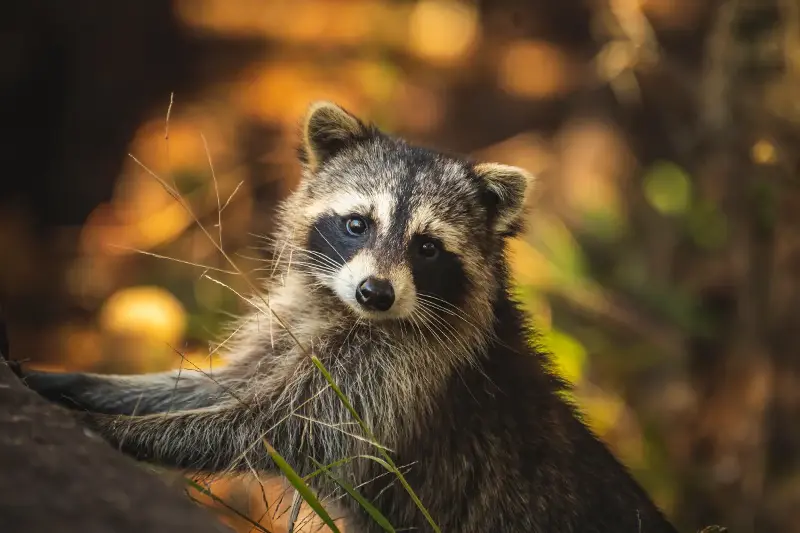
Raccoons are easy to recognize, even in a quick glimpse under a streetlamp. Their black facial mask, ringed tail, and nimble front paws give them a look somewhere between a tiny burglar and a curious teddy bear. Yet behind that charming appearance is one of the most adaptable mammals on the planet. From forested wetlands in North America to city parks in Europe and Asia, raccoons have become remarkable survivors in human-shaped landscapes.
Their expansion has been especially striking in urban areas. Many animals struggle when forests are fragmented, roads multiply, and buildings replace natural habitats. Raccoons often do the opposite: they find abundant food, cozy shelter, and travel routes in the very places people create.
Built for Opportunity
The common raccoon (Procyon lotor) is native to North America. It naturally inhabits a wide variety of environments, including forests, marshes, riverbanks, coastal areas, and grasslands. This broad ecological flexibility gave the species a massive head start when encountering towns and cities.
Key physical and behavioral advantages include:
- An Omnivorous Diet: Raccoons eat both plant and animal matter. Depending on the season and location, their menu includes fruit, nuts, insects, frogs, fish, bird eggs, small mammals, crayfish, pet food, and discarded food. In cities, an overflowing bin can provide more calories than a long night foraging in the woods.
- Highly Dexterous Paws: Their front paws feature sensitive fingers that manipulate objects with unusual precision. They easily open loose lids, pull food from narrow spaces, and climb fences or drainpipes.
- Refined Sense of Touch: Their paws are so sensitive that they often identify food in shallow water or mud by feeling rather than relying solely on sight. Handling food in water is not to wash it, but rather to moisten the paw nerves, making them even more sensitive to shape and texture.
The City as a New Forest
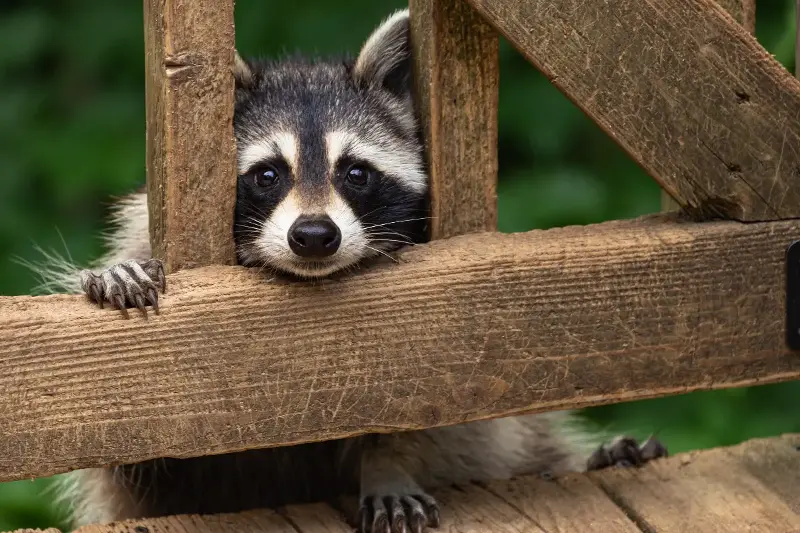
Urban environments resemble a rich patchwork of resources for raccoons. Parks, gardens, canals, railway corridors, cemeteries, and tree-lined streets provide green transit routes. Attics, sheds, abandoned buildings, chimneys, and storm drains offer den sites that are often warmer and safer than natural tree hollows.
Cities also eliminate many natural pressures. In urban regions, large predators are scarce. While vehicles create danger, raccoons learn traffic patterns and become active when roads are quieter. Their primarily nocturnal habits help them avoid people, pets, and daytime disturbances.
Research reveals that urban raccoons alter their behavior rapidly:
- Shorter Travel Distances: Food is concentrated in small areas, reducing the need for long journeys.
- Routine Foraging: They memorize precise locations where food appears regularly, such as restaurant waste areas, outdoor pet bowls, and compost bins.
- Problem-Solving Skills: An individual that discovers how to lift a bin lid or enter a roof space will return repeatedly, sharing those techniques with its offspring.
Fast Families and Flexible Lives
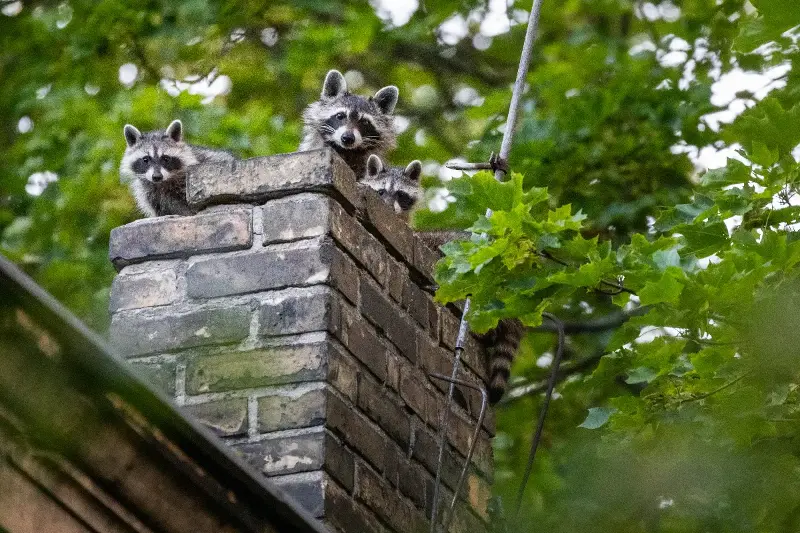
Raccoons are not just resourceful adults; they also reproduce effectively. Mating usually takes place from late winter into early spring. Females commonly give birth in spring, producing two to five young, called kits. The mother raises them alone, moving them between den sites if she senses danger.
Young raccoons grow quickly, foraging independently by late summer or autumn. In favorable urban conditions where food and sheltered dens are abundant, survival rates can be higher than in harsher rural settings. While traffic and local diseases pose risks, their combination of early independence, regular breeding, and varied diets allows raccoon populations to recover quickly.
A Global Traveler with Local Consequences
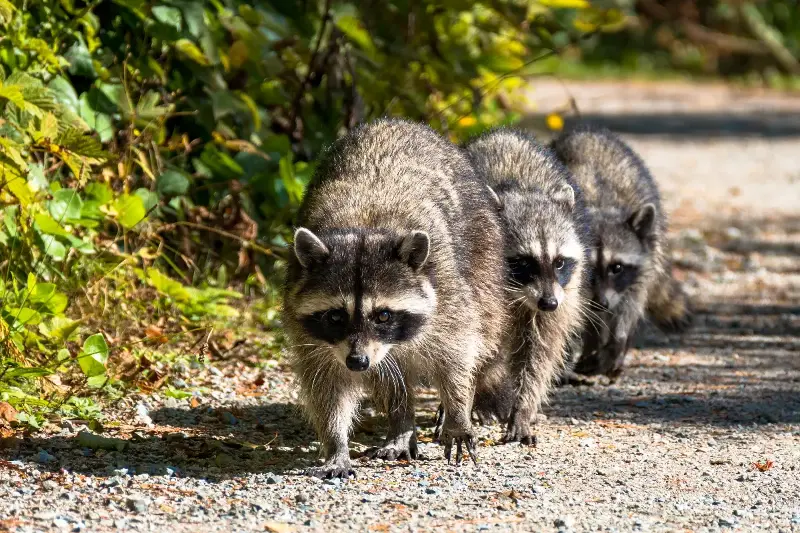
Outside North America, raccoons have established populations after escapes or releases from private collections. Germany is a primary example: a small number released in Hesse in 1934 spread widely across parts of Central Europe over subsequent decades.
Their expansion is fascinating, yet it can create serious ecological concerns:
- Wildlife Impact: Non-native raccoons may raid bird nests, eat amphibians, and compete with native species for prime den sites. Ground-nesting birds are particularly at risk.
- Health and Safety: Raccoons carry parasites like raccoon roundworm (Baylisascaris procyonis) and other regional illnesses.
Admiration should always be balanced with sensible caution. Raccoons should never be handled, hand-fed, or encouraged to enter homes. A masked visitor may look friendly, but it remains a wild animal.

Living Alongside the Masked Neighbor
The best way to reduce conflict is to remove easy rewards:
- Secure rubbish bins with tight-fitting lids or straps.
- Avoid leaving pet food outdoors overnight.
- Position bird feeders carefully to prevent spilled seeds from attracting wildlife.
- Seal openings into attics, crawl spaces, and sheds after ensuring no animals are trapped inside.
Raccoons succeed because they are curious, flexible, and exceptionally good at using surrounding opportunities. Their rapid expansion is a masterclass in urban ecology: when landscapes change, some species adapt slowly, but a resourceful few learn to thrive in the spaces humans leave behind.