


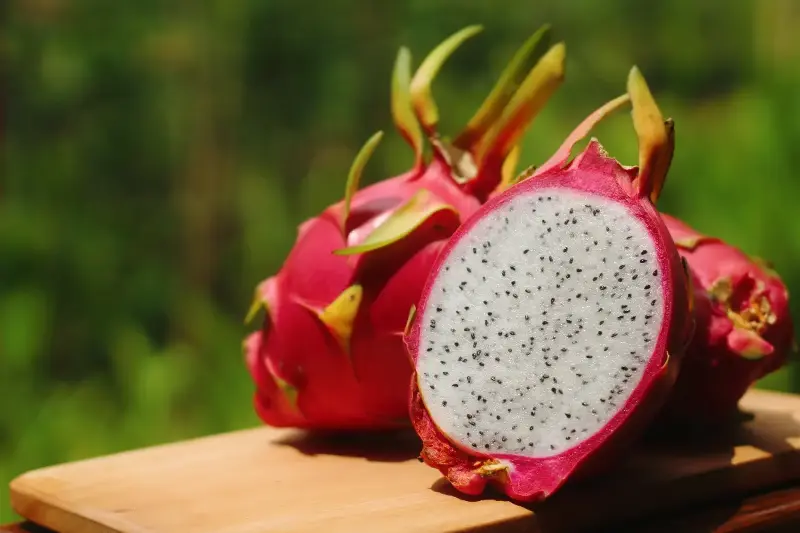
If you walk through the produce section of your local supermarket, chances are you will spot a vibrant, otherworldly fruit with flaming pink skin and speckled flesh. This is dragon fruit—also known as pitaya—and it is no longer just a rare curiosity reserved for tropical vacations. Once considered an obscure novelty, this fruit has emerged as a global nutrition favorite, appearing in smoothies, breakfast bowls, and health-conscious kitchens everywhere. Let’s explore the journey of this spiky wonder and discover why it has captured the world's imagination.
ORIGIN STORY: FROM MYSTERIOUS CACTUS TO MODERN CULTIVAR
The striking appearance of dragon fruit is hard to ignore, yet its roots are surprisingly humble. Born from various cactus species native to the arid, sun-drenched regions of Central America, primarily Mexico, it was cherished for centuries by indigenous peoples for its hydrating qualities and subtle sweetness.
- Natural Resilience: As a cactus, the plant is naturally adapted to harsh, dry climates where few other crops can survive.
- Nocturnal Mystery: Its flowers bloom only at night, often pollinated by bats and moths, which long ago lent an air of mystery to its lifecycle.
- Global Expansion: In the late 19th and early 20th centuries, traders introduced the plant to Southeast Asia. Farmers in Vietnam, Thailand, and Malaysia quickly realized its potential, and today, Vietnam stands as one of the world’s largest producers.
WHAT’S IN A NAME: DRAGONS, MYTHS, AND MARKETING MAGIC
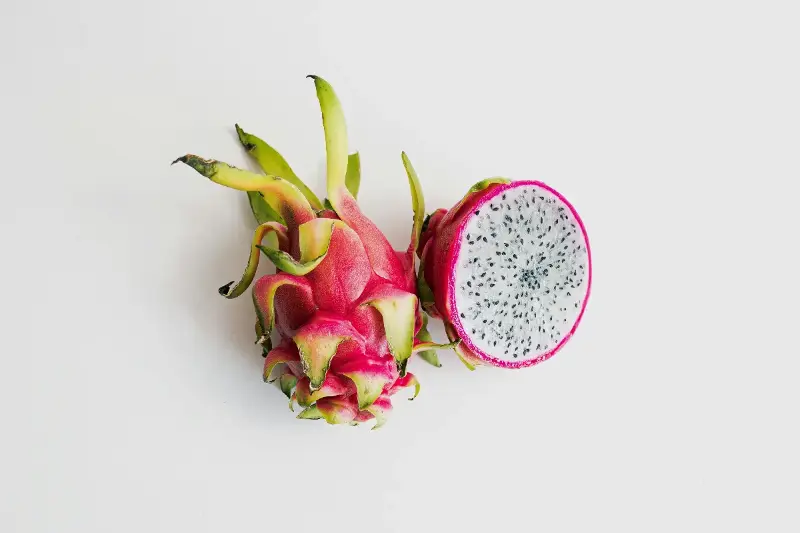
The name "dragon fruit" is arguably its most effective marketing asset. With curved, flame-like scales, the exterior resembles the legendary creatures of lore. In Vietnam, it is known as thanh long, or "green dragon," a beautiful nod to both mythology and the plant’s unique foliage. Its technical name, pitaya, traces back to indigenous Caribbean languages, while its mild taste sometimes earns it the nickname "strawberry pear." As social media expanded, the fruit’s photogenic nature made it an instant star in cafes and home kitchens around the globe.
NUTRITIONAL BRILLIANCE: WHY HEALTH EXPERTS LOVE DRAGON FRUIT
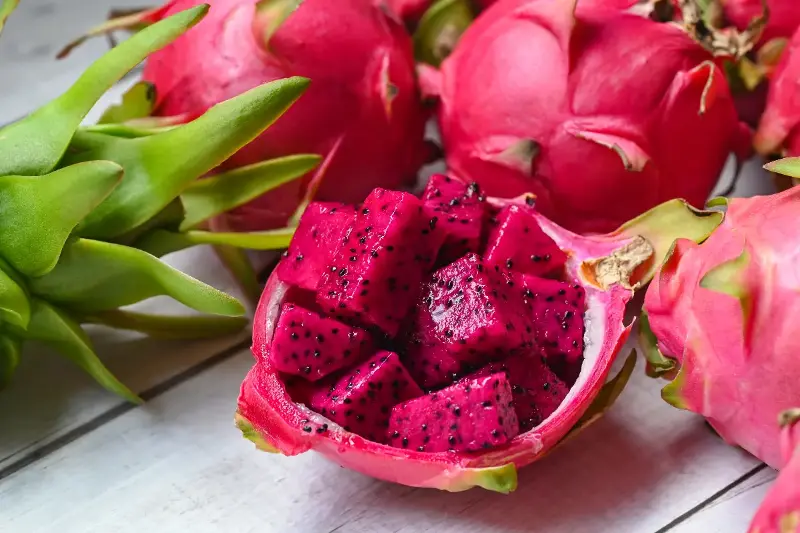
Beyond its eye-catching color, dragon fruit has earned immense respect for its impressive nutritional profile. It is a true nutritional powerhouse that remains low in calories, making it a perfect snack for a balanced lifestyle.
- Immune Support: It is packed with vitamin C, which supports immune function and promotes glowing skin.
- Digestive Health: High fiber content helps regulate digestion and stabilizes blood sugar levels, providing steady energy throughout the day.
- Heart Health: The tiny black seeds scattered throughout the flesh are rich in omega-3 and omega-9 fatty acids, which are essential for maintaining a healthy heart.
- Antioxidant Power: Red-skinned varieties contain betacyanins, powerful compounds known for their anti-inflammatory properties that help protect the body against daily stress.

A CROP FOR THE CLIMATE: SUSTAINABILITY AND FUTURE GROWTH
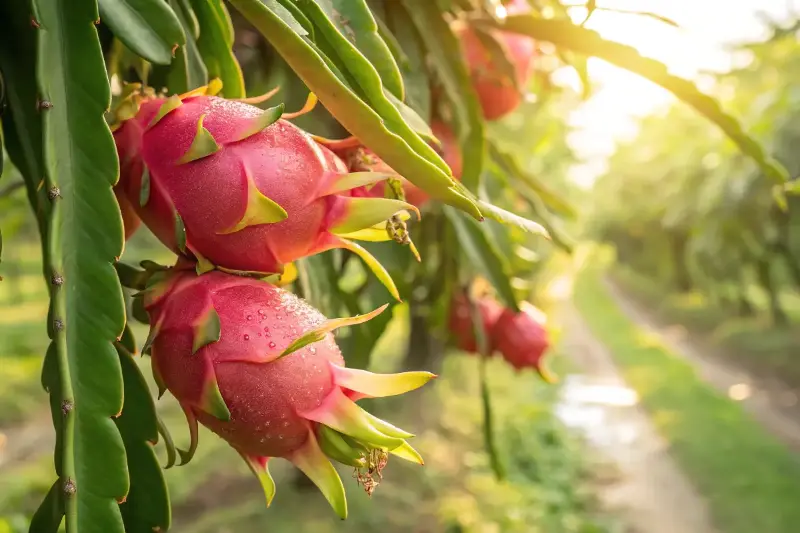
Dragon fruit is not just a healthy choice; it is a sustainable one. Because it is a cactus, it thrives in hot, dry conditions and requires significantly less water than traditional crops like citrus or strawberries. This makes it an ideal agricultural solution for regions looking to adapt to changing climates. From the arid corners of Israel to farms in California and Australia, growers are embracing this resilient plant for its environmental and economic benefits.
THE FUTURE: FROM TREND TO EVERYDAY ESSENTIAL
Dragon fruit is officially here to stay. As chefs continue to experiment with its versatile flavor and health professionals highlight its nutrient-dense profile, it is becoming a staple in homes worldwide. When you slice into a dragon fruit, you are not just enjoying a snack—you are tasting a bridge between ancient tradition and modern agricultural innovation.