



Why is it that so many of us willingly bite into a fiery chili pepper, endure watery eyes and a sizzling tongue, and yet find ourselves reaching for another bite? The curious combination of pleasure and pain that spicy food provides has fascinated scientists, chefs, and food lovers alike for centuries. While some recoil at the mere thought of a hot pepper, others eagerly seek out chili challenges. What exactly happens on—and beneath—our tongues when we crave that burning sensation?
THE BIOLOGY BEHIND THE BURN
At the heart of spicy food’s allure is a bioactive compound called capsaicin. Found primarily in chili peppers, capsaicin binds to a receptor in our mouths known as TRPV1. This receptor’s usual job is to detect physical heat and the pain of scalding temperatures.
- The Brain Hack: When capsaicin interacts with TRPV1, it tricks your brain into believing you’ve touched something dangerously hot—even though the food’s actual temperature hasn't changed.
- The Physical Response: Your body reacts as if it’s in danger: your heart rate accelerates, sweat beads on your forehead, and your breath quickens.
- The Euphoric Twist: Although this is technically a pain response, it triggers a wave of feel-good neurotransmitters—particularly endorphins and dopamine. This unique cocktail of perceived threat and real pleasure induces a mild "chili high."
FROM EVOLUTION TO THE DINNER TABLE
Why did humans start eating peppers in the first place? Evolutionary biologists propose that spicy flavors were originally a defense mechanism for plants, intended to deter animals. Yet, humans leaned into this warning sign.
One leading theory is the Antimicrobial Hypothesis. In tropical climates where food spoiled quickly, ancient cultures discovered that adding hot spices could help kill bacteria and extend shelf life—offering a genuine survival advantage. Today, this love is deeply embedded in cultural identity, from Mexico’s fiery salsas to the tongue-numbing peppers of Sichuan cuisine.
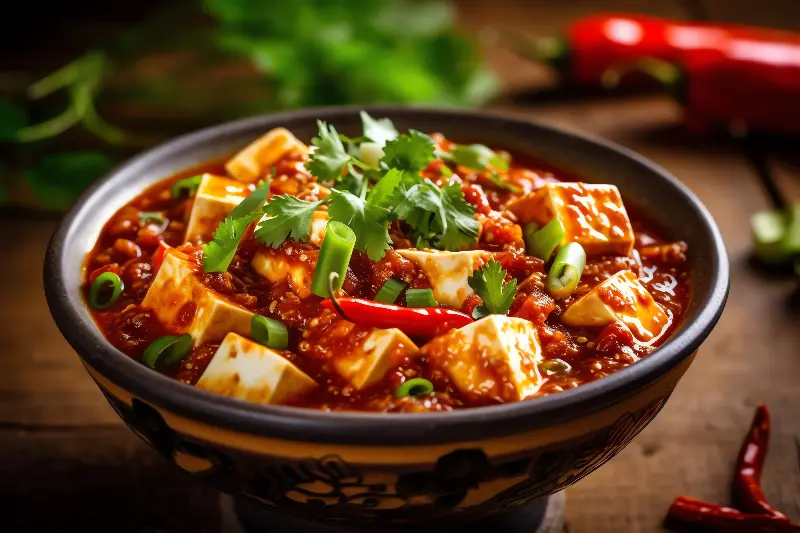
PAIN WITH A PURPOSE: THE PLEASURE PRINCIPLE
At a basic level, the human brain is wired to reward us for risk-taking. Eating spicy food is often described by psychologists as "benign masochism". This is the same phenomenon that explains why we enjoy:
- Riding terrifying roller coasters.
- Watching bone-chilling horror movies.
- Listening to sad music.
In all these cases, we push ourselves past discomfort because our brains know we aren't in actual peril. When we survive the "threat" of a Ghost Pepper, our brain rewards our bravery with a rush of endorphins that can be genuinely addictive.
BIOLOGY MEETS CULTURE: WHO LOVES THE HEAT?
Not everyone experiences spice in the same way. Genetics play a massive role; some individuals are born with fewer TRPV1 receptors, making them naturally more tolerant of heat.
- Exposure: The younger you are exposed to spicy foods, the more likely you are to crave them as an adult.
- Social Bonding: In many cultures, sharing a spicy meal is a communal ritual. Whether it’s a bowl of Vindaloo or a hot sauce contest, the shared experience of enduring the burn can foster social bonding and celebration.

HEALTH BENEFITS AND POPULAR MYTHS
Beyond the thrill, capsaicin offers tangible health perks. Research suggests it may boost metabolism, reduce appetite, and offer mild anti-inflammatory effects. However, it is important to separate fact from fiction:
- The Ulcer Myth: Contrary to popular belief, spicy food does not cause stomach ulcers, though it can aggravate existing digestive issues.
- Cardiovascular Health: Some studies hint at improved blood flow and heart health in populations with spice-rich diets.
So, the next time you feel the sting of a pepper-packed curry, remember: that heat on your tongue is more than just pain. It is a fascinating dance between biology and culture, risk and reward. It is, quite literally, the flavor of adventure.