


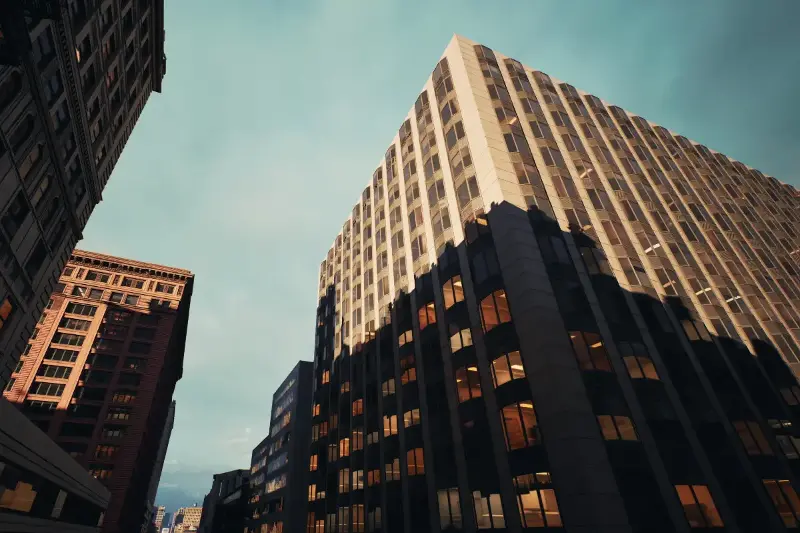
Cities are more than just a collection of buildings and streets; they are living, breathing environments that subtly influence our emotions, behavior, and the way we connect with one another. While most of us navigate urban spaces without giving much thought to their design, emerging research in environmental psychology and urban planning is uncovering just how deeply architecture shapes our daily lives. Whether you step out onto a leafy boulevard or a shadowy alley, the city’s form is shaping your mood—sometimes in ways you barely notice.
THE SCIENCE BEHIND URBAN SPACES AND EMOTIONS
The human brain is exquisitely sensitive to its surroundings. Studies reveal that we respond instantly to environmental cues—light, colors, shapes, and sounds. Generally, the psychological impact of our environment follows a clear pattern:
- Spacious, well-lit environments promote feelings of safety, clarity, and happiness.
- Cramped, echoing, or gloomy spots can trigger immediate stress or latent anxiety.
Neuroscientists at University College London recently used portable EEG machines to measure brain activity as volunteers walked through various city settings. Their findings were striking: participants felt measurably calmer and more focused when passing through areas with trees, open views, and accessible public spaces. In contrast, busy, cluttered intersections spiked cortisol levels. This echoes the famous “Broken Windows” theory, which suggests that neglected urban areas increase feelings of unease, while well-maintained ones foster community trust and individual wellbeing.
DESIGN DETAILS THAT INFLUENCE MOOD
The way a city "feels" is rarely an accident; it can often be traced to specific architectural choices that prioritize the human experience:
- Natural Light: Spaces with ample sunlight are linked to better mental health and reduced rates of depression. Large windows and glass facades do more than look modern—they brighten city blocks emotionally.
- The Power of Palette: Urban designers use color to manipulate energy levels. Warmer colors like yellow or orange can energize passersby, while cooler hues create a meditative, calming effect.
- Materiality: Texture plays a silent role in our comfort. Rough, grey concrete can appear cold and alienating, whereas wood, brick, and organic greenery introduce a sense of warmth and familiarity.
Even playful splashes of public art—such as murals, sculptures, or colorful benches—offer micro-moments of joy that break the monotony of daily routines and lift the collective spirit of a neighborhood.
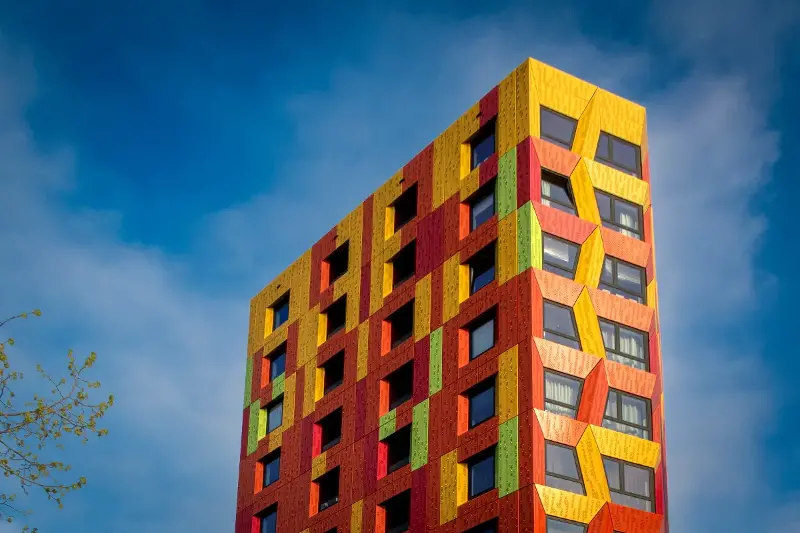
HOW ARCHITECTURE SHAPES HUMAN CONNECTIONS
It’s not only our mood that changes with the shape of cities; it’s our relationships. Urban design either fosters or hinders "serendipitous moments"—those chance encounters that spark friendships or a simple smile from a stranger.
Urbanist Jane Jacobs famously coined the phrase “eyes on the street”, referring to the sense of safety that arises when people can easily observe and engage with their surroundings. Low-rise buildings with shops, cafes, and front porches create active edges. These design elements draw locals into public life, making it easy for neighbors to meet over coffee or greet each other in passing. Conversely, towering high-rises with blank facades tend to suppress these connections, creating environments where people feel isolated despite being surrounded by thousands.
THE HIDDEN POWER OF GREEN SPACES
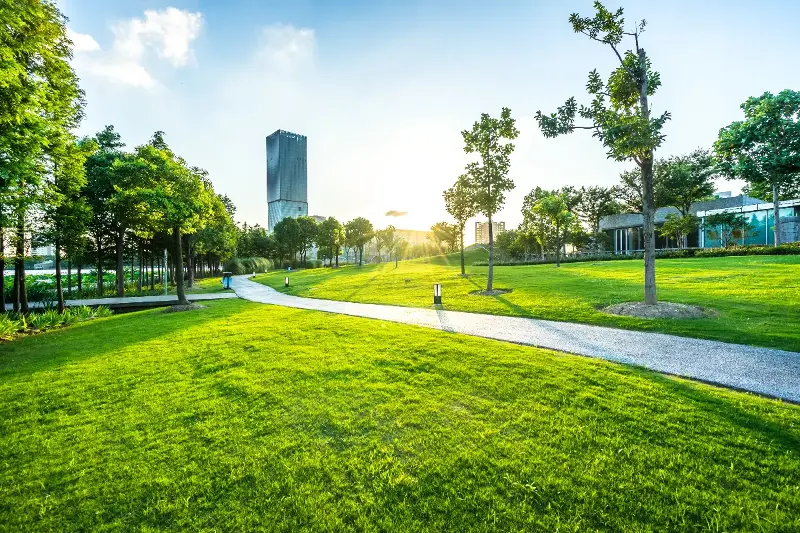
No urban ingredient is as powerful a mood-shaper as nature. Even in the densest concrete jungles, the presence of trees and flowers can make a dramatic difference. A landmark study in Toronto found that individuals living on greener blocks reported higher life satisfaction—the statistical equivalent of a $10,000 salary increase.
Why green spaces are essential:
- Thermal Comfort: They cool city temperatures and reduce the "heat island" effect.
- Mental Clarity: They offer a much-needed escape from digital overload and sensory fatigue.
- Social Magnetism: Parks and riverfront paths serve as the backdrop for vital life moments, from family picnics to quiet reflection.
DESIGNING FOR DIVERSITY AND INCLUSIVITY
Thoughtful urban architecture has the unique ability to bring people together across different backgrounds and ages. Cities that intentionally blend housing types and public services help prevent “urban silos”—areas where people are physically close but socially divided.
Today, architects and planners increasingly consult directly with communities before breaking ground. The result is a more inclusive urban fabric where sidewalks are wide enough for strollers, benches are available for rest, and public spaces accommodate everyone from young professionals to grandparents.
Great design is often invisible because it just feels right. The shapes, colors, and rhythms of urban life aren’t random—they are the silent scriptwriters of our feelings, our memories, and our most human connections.