


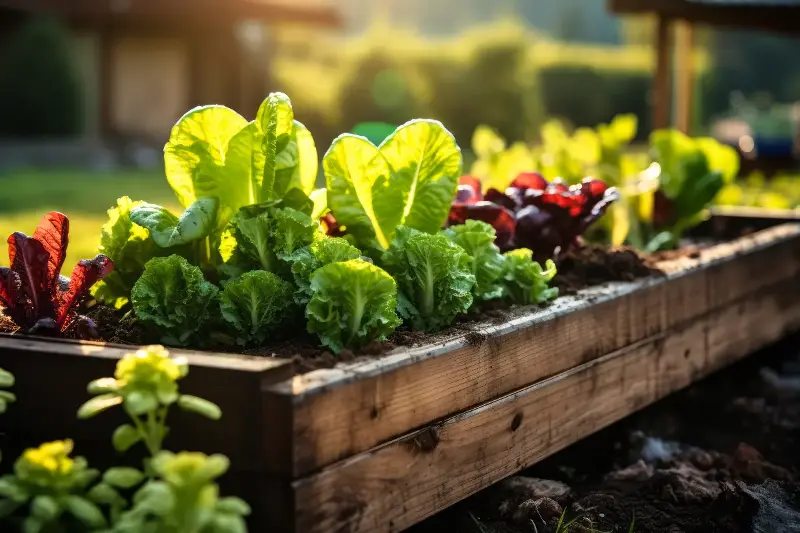
In our fast-paced, often hectic lifestyles, the idea of nurturing a lush, thriving vegetable garden at home might seem like wishful thinking. Yet, more and more people are discovering the joys of tending to their own organic vegetable beds.
Beyond the simple pleasure of growing food from scratch, cultivating an organic garden can dramatically improve your health, reduce your environmental footprint, and offer a delicious sense of accomplishment. Ready to unearth the secrets to a bountiful backyard harvest? Let’s dig in.
Choosing the Best Location and Soil
Success in organic gardening starts with location. Vegetables crave sunlight, so pick a spot that basks in at least six hours of direct sun every day. This applies whether you’re carving out garden beds or using containers on a balcony. Look for an area with good air circulation, but away from spots that tend to become waterlogged after rain.
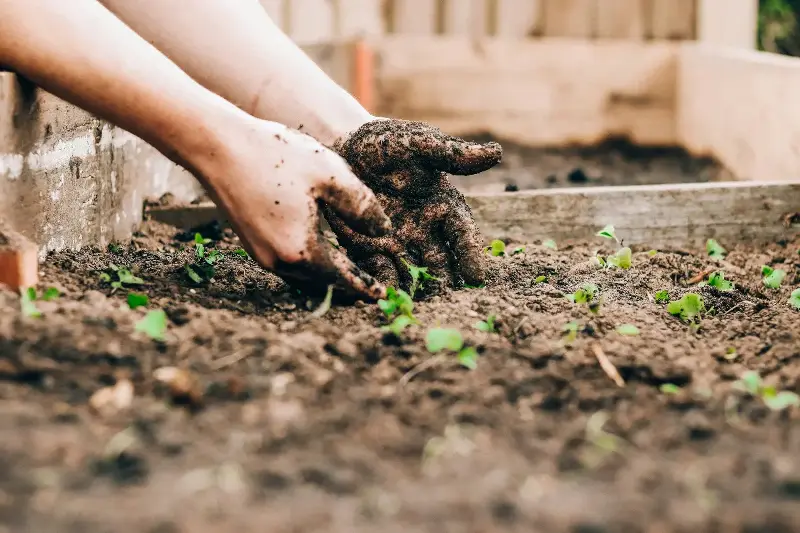
Soil is the foundation of any thriving vegetable garden. If your plot’s soil is heavy with clay or excessively sandy, you might struggle. The trick is to create a rich, loamy mix bursting with nutrients and organic matter.
Key soil-building strategies include:
- Embracing soil life: Healthy soil is teeming with billions of microorganisms—essential workers quietly creating a fertile environment for roots.
- Making composting a habit: By recycling kitchen scraps, leaves, and even cardboard, you’ll gradually build soil that’s alive and resilient.
- Prioritizing natural nutrients: Organic matter improves soil structure naturally, helping it retain moisture while draining well.
Smart Plant Choices for Beginners
Starting an organic vegetable garden doesn’t mean you have to grow everything at once. In fact, one of the best-kept secrets among experienced gardeners is to begin with easy, reliable crops—especially if you’re new to the scene.
- Leafy greens: Spinach, kale, and lettuce sprout quickly, thrive in cooler weather, and regrow after harvesting.
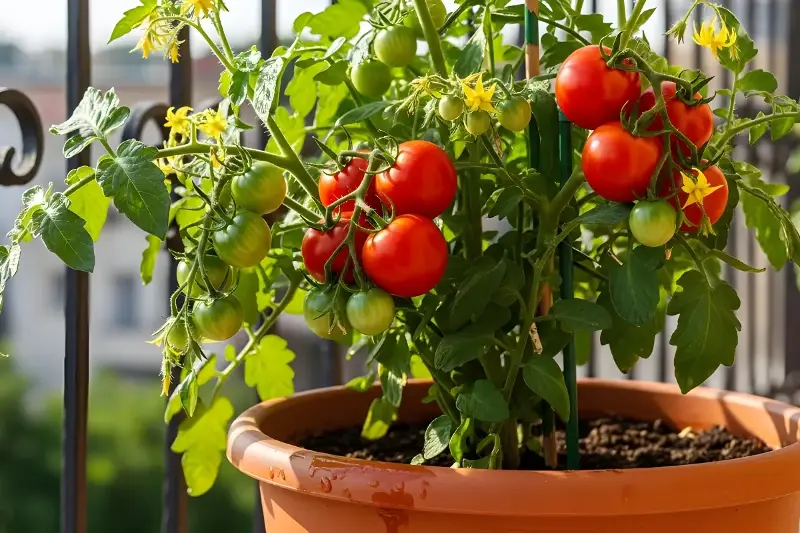
- Classic favorites: Tomatoes and bush beans can yield impressive harvests even in large pots.
- Crop rotation: Each year, switch up where you plant certain vegetables. This simple practice helps prevent soil-borne diseases and keeps your garden ecosystem balanced.
You’ll reap the rewards not only in harvest but in a garden that resists challenges naturally.
Organic Pest Control Without Chemicals
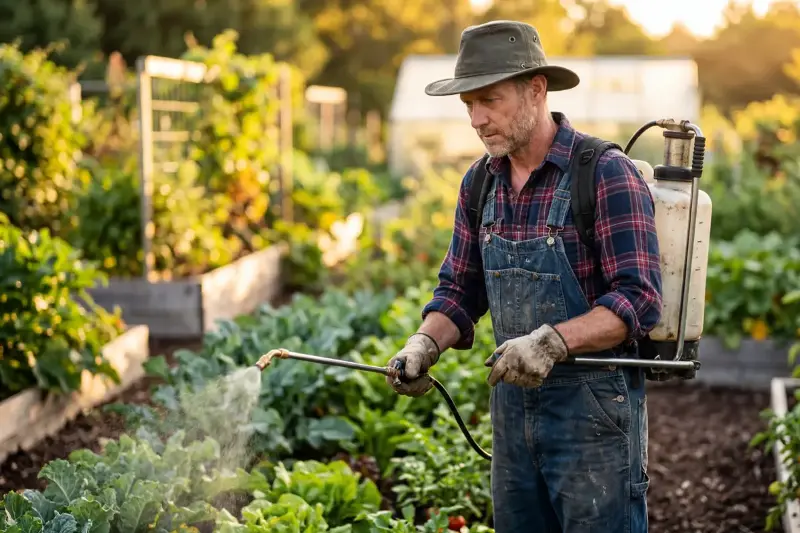
One clear advantage of growing your own food is knowing exactly what goes into (and on) your produce. Organic gardening avoids synthetic sprays, but that doesn’t mean you have to forfeit your veggies to insects. Instead, harness natural biological solutions that gardeners have relied on for generations.
Invite beneficial insects to your garden—ladybugs, lacewings, and hoverflies feast on common pests. You can plant flowers like marigolds, calendula, and dill nearby to entice these helpful allies. Interplanting, or growing specific veggies together, can also ward off insects; for example, basil helps protect tomato plants when grown side by side.
A simple but often overlooked tip is to inspect your plants regularly. Catching insects early means a quick handpick or a gentle blast of water from the hose will be enough to manage the problem.
Watering Wisdom: Quality Over Quantity
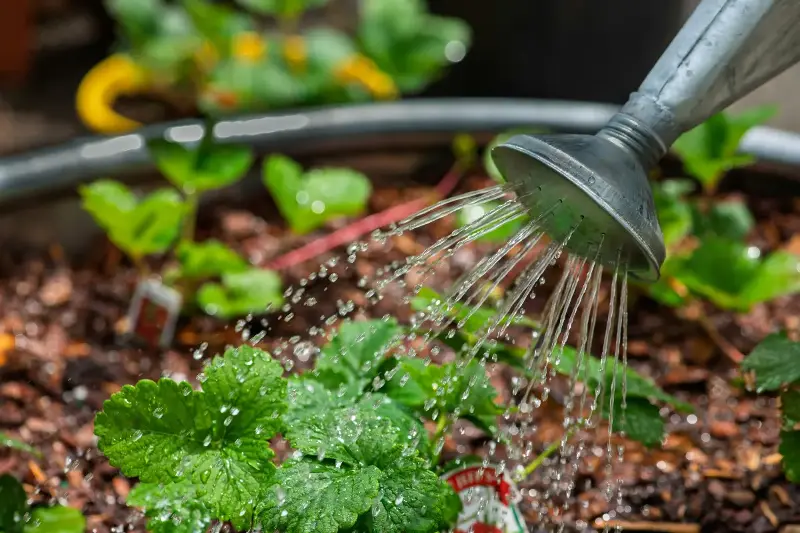
Watering may seem straightforward, but how and when you water can make a world of difference. The golden rule is to water the soil, not the leaves, to minimize disease and fungi. Early morning is the best time, as it allows foliage to dry by midday and readies plants for the sun.
Mulching is a brilliant, low-tech way to retain soil moisture, suppress weeds, and regulate temperature. Use natural materials like straw, wood chips, or dried leaves to create a protective blanket around your plants.
A common myth is that vegetable gardens need daily soaking. Truthfully, most plants prefer deep, occasional watering to frequent, shallow sprinkles. This encourages deeper root systems and fosters hardier plants ready to withstand even summer’s heatwaves.
The Benefits Beyond Your Plate
What many people don’t realize is that growing an organic garden offers rewards far beyond a basket of home-grown vegetables. Spending time in green spaces has been proven to lower stress, boost mood, and even improve concentration. Tending a garden is a wonderful form of gentle exercise, involving everything from digging and planting to harvesting.
For families, gardening provides a lively classroom right in your backyard:
- Expanding palates: Children often become more willing to taste new vegetables when they’ve watched them grow from seed.
- Discovering variety: You might find that your own palate broadens as you experiment with heirloom varieties bursting with flavors rarely seen in supermarkets.
- Mindful relaxation: The daily routine of checking on plants provides a peaceful break from digital screens.
Sustainable Gardening for a Healthier Planet
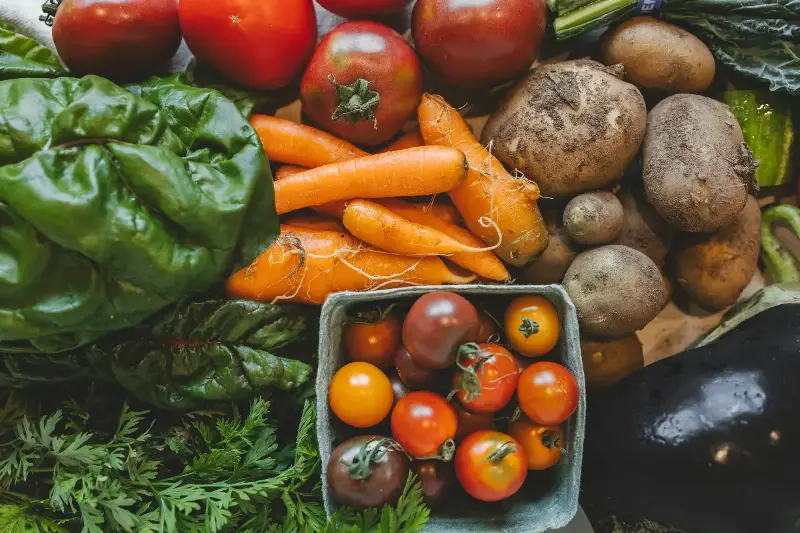
By choosing to grow your own vegetables organically, you contribute to healthier living not just for yourself, but for the environment. Organic practices enrich rather than deplete the soil, reduce pollution, and support pollinators and biodiversity. Even the smallest balcony garden or windowsill herb box can reduce your carbon footprint by trimming food miles and packaging waste.
The secrets to a thriving organic garden aren’t wrapped in mystery. They’re simple, time-tested techniques rooted in observation, care, and a willingness to learn from nature. Whether you have an acre to spare or just a few pots on a sunny ledge, you’ll find that growing your own food is one of the most satisfying steps you can take toward a healthier, more sustainable lifestyle.