



Few things hold as much creative power as a well-placed question. Somewhere between the curiosity of a child and the problem-solving instincts of an adult, questions fuel the spark that leads us from the mundane to the magical. For centuries, history’s greatest innovators, thinkers, and creators have unlocked new worlds simply by daring to ask: “What if?” or “Why not?” In education and personal development, learning to ask questions effectively becomes an art—a skill that can ignite creativity, banish self-doubt, and propel both personal and collective progress.
THE SURPRISING POWER OF A SIMPLE QUESTION
At first glance, asking a question might seem straightforward. Yet, neuroscientists and psychologists have repeatedly found that a question does not just prompt an answer—it opens the mind. When you ask a question, your brain switches into exploration mode. Studies suggest that posing a question activates regions of the brain associated with curiosity, focus, and motivation. In other words, you start searching for connections, solutions, and ideas you may otherwise overlook.
Consider the creative legends of our age—figures like Steve Jobs, Albert Einstein, or Maya Angelou. Each was known for their relentless questioning. Einstein famously noted, “The important thing is not to stop questioning. Curiosity has its own reason for existing.” In education and personal growth, this kind of curiosity is contagious and essential.
QUESTIONS BRING HIDDEN IDEAS TO LIGHT
Questions are like keys that unlock hidden doors in the mind. Often, we stop at surface-level answers out of habit, comfort, or fear of making mistakes. However, when we ask ourselves “What is another way to look at this?” or “What if the opposite were true?”, we push beyond the obvious. This process can unveil original concepts where we least expect them.
For educators and mentors, mastering the craft of open-ended questions is vital:
- Avoid Yes-or-No Queries: Instead of asking, “Did you finish your work?”, ask, “What was the most surprising part of your discovery?”
- Encourage Reflection: Prompting deeper thought helps individuals move past binary thinking.
- Create Safe Spaces: Foster an environment where creative risk-taking feels natural and rewarded.

ASKING THE RIGHT KIND OF QUESTIONS
Not all questions are created equal. Open-ended questions stimulate the imagination, while closed questions often shut it down. For those keen to awaken their creative potential, the secret lies in how the question is framed. They should invite exploration rather than a single, static answer. Examples of high-impact questioning include:
- How might we solve this problem differently?
- What would happen if we removed this constraint?
- In what ways is this solution effective, and where might it break down?
Research in educational psychology shows that students exposed to more open-ended questions in the classroom display greater creative confidence and resilience when facing complex challenges.
OVERCOMING THE FEAR OF NOT KNOWING
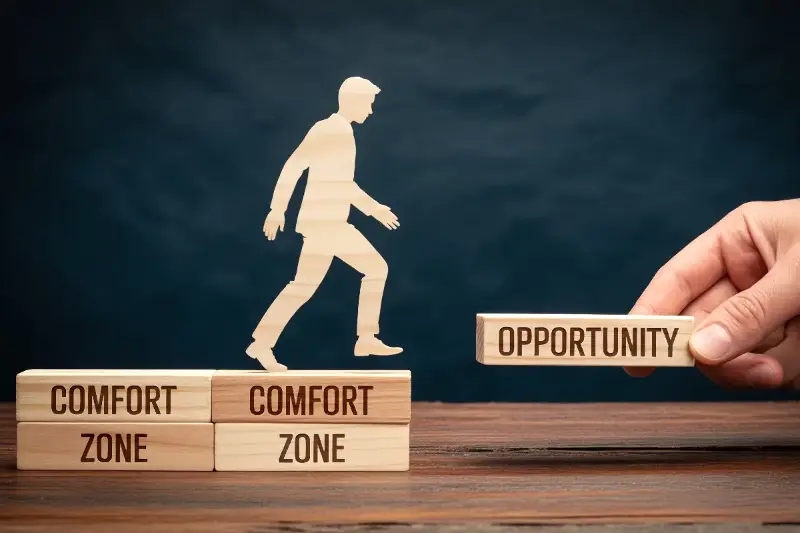
For many, asking questions—especially bold or unconventional ones—can feel risky. There is often a worry about appearing uninformed or challenging the status quo. Yet, history reminds us that breakthroughs often come from those willing to voice the questions no one else dares ask.
In professional and educational settings, fostering a culture where people feel safe to wonder aloud is crucial. This might involve leaders modeling vulnerability by sharing their own questions and uncertainties. In turn, this openness inspires others to contribute, knowing their curiosity is highly valued. The result is not just more creativity—it is a stronger sense of community and mutual respect.
THE DAILY PRACTICE OF QUESTION-DRIVEN CREATIVITY
Cultivating the habit of asking questions is not reserved for special occasions. You can weave question-driven thinking into your everyday life with simple, actionable strategies:
- Keep a Question Journal: Jot down at least one intriguing question every day.
- Brainstorm Before Acting: Instead of jumping to solutions, generate a variety of questions about a challenge first.
- Normalize Inquiry: In group settings, make it a habit to ask, “What haven’t we considered yet?”
- Reward Curiosity: Whether as a parent or a mentor, reinforce that inquiry is as valuable as the answer itself.
When questioning becomes a part of your mindset, it turns every challenge into an opportunity for discovery. Awakening creativity is not about having all the answers; it is about fostering a mindset where curiosity is celebrated. Every great idea begins with a question—so, what will you ask today?