


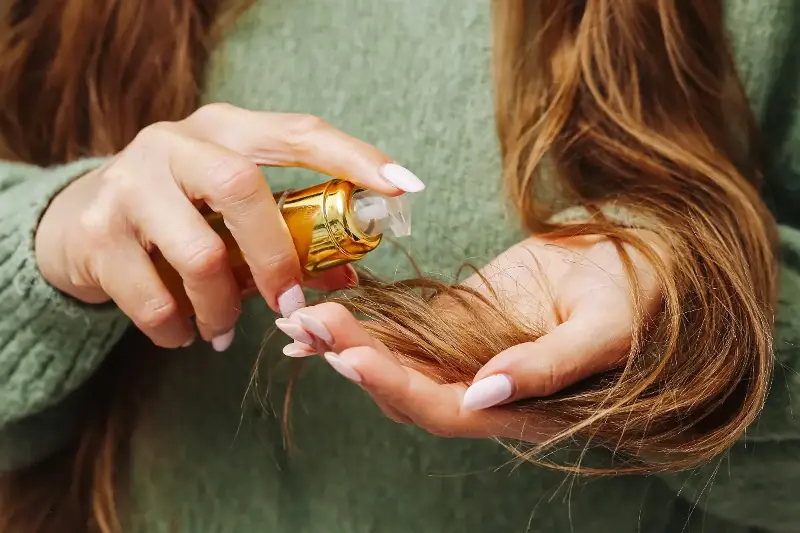
Hair oils can make a routine feel luxurious, add shine, and reduce the rough look of dry ends. But when the promise shifts to faster growth, it is worth separating helpful hair care from marketing. Coconut oil has a stronger research background than pomelo oil, although neither is a guaranteed route to longer hair. Used well, they may support healthier-looking strands and reduce breakage. Used heavily or incorrectly, they can leave hair limp, greasy, and difficult to style.
What Hair Growth Really Means
Hair grows from follicles in the scalp, not from the visible lengths. For most people, scalp hair grows around 1 centimeter per month, although genetics, age, hormones, and nutrition all affect that rate. An oil applied to the hair shaft cannot force a follicle to produce hair faster.
- Breakage Control: Hair appears to "grow better" when less of it snaps off. Dry, colored, or heat-styled hair breaks easily. A product that improves softness and resilience helps people retain more natural length.
- Retaining Length: Improving lubrication along the hair shaft preserves the strands you already have.
- Medical Signals: Oiling is not a substitute for professional advice if sudden shedding, widening part lines, or scalp pain appear. These changes can link to underlying health shifts or scalp inflammation.
Why Coconut Oil Has a Better Reputation
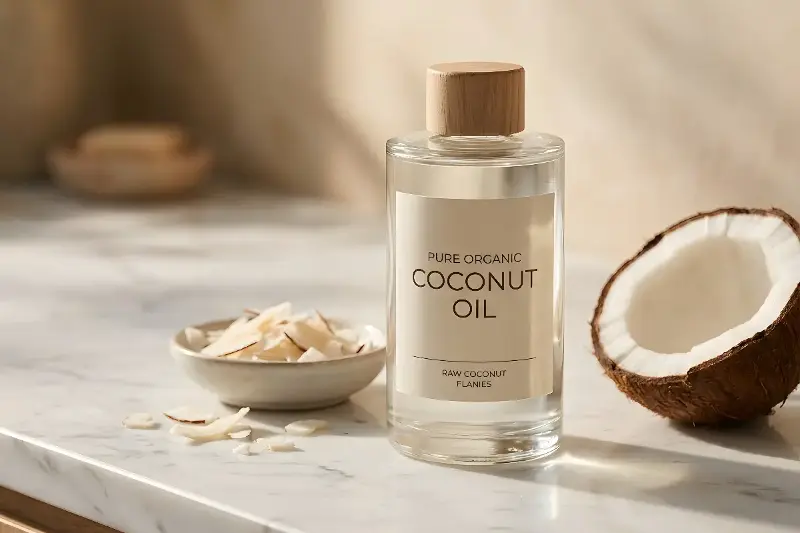
Coconut oil is rich in lauric acid, a fatty acid with a relatively straight, small structure that penetrates the hair fiber more effectively than many larger oils. A frequently cited study in the Journal of Cosmetic Science found that coconut oil reduced protein loss from both damaged and undamaged hair when used before and after washing.
- Protective Conditioning: It limits protein loss caused by repeated washing, coloring, brushing, and heat exposure that gradually weaken the cuticle.
- Breakage Prevention: Applying it to mid-lengths and ends before shampooing helps hair feel smoother, look shinier, and resist physical damage.
- Scalp Considerations: While coconut oil shows antimicrobial properties in laboratory settings, rich oils can sometimes make scalp flakes or itching worse. A specialized anti-dandruff shampoo remains a more reliable first option for a persistent flaky scalp.
The Truth About Pomelo Oil
Pomelo is a large citrus fruit with a fresh, sweet-bitter aroma. Pomelo oil is usually extracted from the peel and is mainly used in fragrance, massage blends, and cosmetic products. It contains aromatic compounds such as limonene, which offer antioxidant and antimicrobial activity in laboratory testing.
- Sensory Appeal: There is currently very limited human evidence showing that pomelo oil stimulates scalp follicles or speeds growth. Its primary appeal is sensory, adding a bright, clean scent to a routine.
- Carrier Blends: The carrier oil in a pomelo formula provides the actual slip and softness to the strands.
- Sensitivities and Risks: Citrus peel oils can irritate sensitive skin, especially when used undiluted. Some citrus oils may also increase sensitivity to sunlight. Always use a properly formulated rinse-off product or a diluted blend, avoid strong sun exposure right after application, and patch-test first.

Why Oils Can Leave Hair Greasy
Greasy strands usually mean the amount, placement, or hair type is not a good match. Fine, straight hair can be weighed down by a quantity that coily or highly porous hair absorbs easily. Applying oil close to the roots also mixes with natural sebum, creating a flat appearance.
- Start Small: Coconut oil becomes solid in cool temperatures, encouraging over-application. Start with half a teaspoon for medium-length hair or just a few drops for fine hair, warming it between your palms.
- Target the Ends: Smooth the product through dry ends rather than the scalp.
- Pre-Wash Routine: Apply a small amount to lengths 30 minutes to a few hours before shampooing, then wash thoroughly. This approach offers deep conditioning without leaving a heavy finish after styling.
How to Use Both Oils Safely
For a simple coconut oil routine, choose virgin coconut oil for its natural scent, or refined coconut oil for a lighter aroma. Focus strictly on damaged areas and shampoo twice if residue remains. Avoid leaving it on a scalp prone to acne or persistent itching.
For pomelo oil, never apply pure essential oil directly to the scalp. A conservative dilution is around one to two drops in one tablespoon of a carrier oil, such as jojoba or fractionated coconut oil. Patch-test the mixture on the inner arm for 24 hours before use, and stop immediately if redness, burning, or itching develops.
The most realistic role for coconut and pomelo oils is support, not miracle growth. Coconut oil helps protect the hair shaft and reduce breakage, while pomelo oil adds a pleasant citrus touch to a carefully formulated routine. A few well-placed drops enhance daily hair care, but more oil does not mean more growth.