


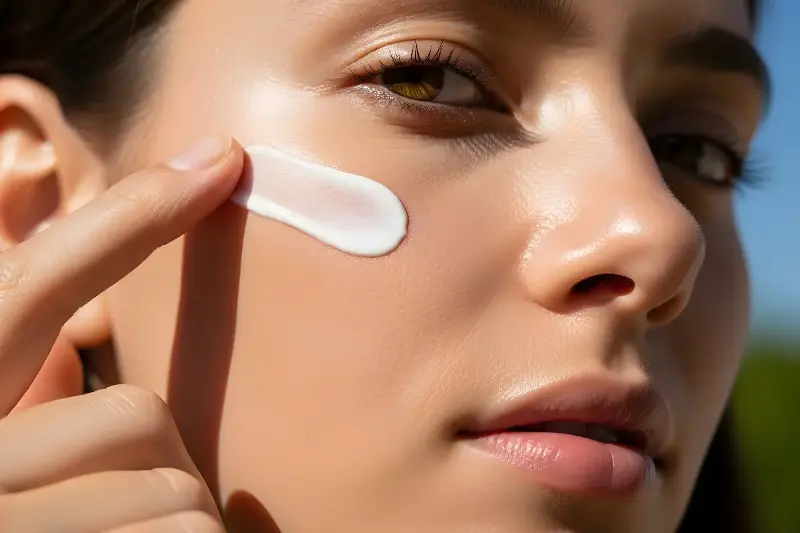
Sun protection is the unsung hero of any effective skincare routine. Regardless of your age, skin type, or daily habits, finding your perfect match does far more than just prevent sunburns—it serves as a vital shield against premature aging, stubborn dark spots, and severe long-term health risks.
Navigating endless formulas, scientific filters, and varied textures can feel overwhelming. This guide breaks down everything you need to know to pick the ideal formula, so you can enjoy glowing, healthy skin every single day.
Why Sun Protection Is Essential
Ultraviolet (UV) rays attack the skin in two distinct ways:
- UVA rays: Penetrate deep into the skin, causing premature aging and wrinkles.
- UVB rays: Target the surface layer, leading directly to sunburns.
While a high SPF (Sun Protection Factor) rating guards mainly against UVB, choosing a broad-spectrum formula ensures total defense against both.
Surprising to many, up to 80% of UV rays penetrate through clouds, making daily wear crucial even on overcast days. Consistent application actively preserves youthful skin structure, minimizes discoloration, and can even help fade existing dark spots over time.
Understanding Filters and Formulations
Sunscreens generally fall into two primary categories, alongside modern blend options:
- Chemical Sunscreens: Absorb UV rays and convert them into harmless heat. They offer a lightweight, invisible finish that sits beautifully under makeup. Look for active ingredients like avobenzone or octocrylene.
- Mineral (Physical) Sunscreens: Use physical blockers like zinc oxide or titanium dioxide to deflect rays away from the skin. These are ideal for reactive or easily irritated skin types.
- Hybrid Sunscreens: Combine both chemical and physical filters to achieve maximum coverage alongside a pleasing, smooth texture.

Choosing the Best Match for Your Skin Type
Your skin’s unique profile should always dictate your choice:
- Oily or Acne-Prone Skin: Choose oil-free, non-comedogenic formulas. Gel-based or fluid textures absorb quickly without clogging pores or feeling greasy.
- Dry Skin: Look for nourishing cream bases packed with rich, hydrating ingredients like glycerin, ceramides, or hyaluronic acid to restore moisture barriers.
- Sensitive Skin: Stick to fragrance-free, hypoallergenic mineral choices. Zinc oxide offers natural soothing properties that help calm redness.
- Darker Skin Tones: Avoid unwanted chalky residues by opting for tinted or micronized mineral filters, or choose completely clear chemical fluids that melt effortlessly into the skin.
- Combination Skin: Balanced, lightweight fluid lotions offer ideal comfort across changing seasonal weather.
Mastering Proper Application
Even the best formulation fails if applied incorrectly. Follow these simple rules for maximum efficacy:
- Use the Right Amount: Apply roughly half a teaspoon for your face and neck, ensuring complete coverage.
- Target Forgotten Spots: Always protect your ears, back of the neck, and tops of the feet.
- Time It Right: Layer your formula as the final step of your skincare routine, right before applying makeup.
- Reapply Regularly: Reapply every two hours, or immediately after heavy sweating or swimming.

Demystifying SPF Ratings
Higher numbers do not mean all-day immunity. Here is how the protection breaks down:
- SPF 30: Blocks approximately 97% of UVB rays.
- SPF 50: Blocks roughly 98% of UVB rays.
Because the protection gap is minimal, SPF 30 or higher provides optimal defense for daily routines. Save high-SPF water-resistant options for extended outdoor activities, sports, or high-altitude environments where UV reflection off water or snow is intense. Investing in a formula you truly enjoy wearing is the single best decision you can make for radiant, healthy skin over a lifetime.