


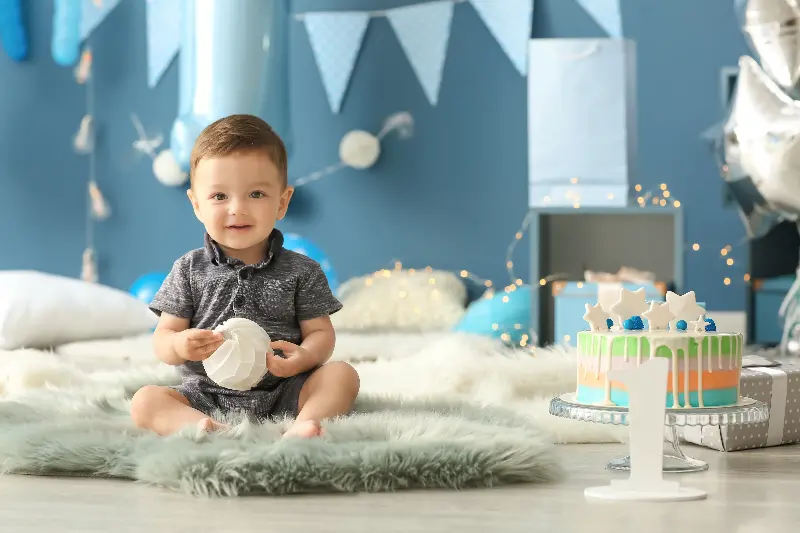
The first year of a baby’s life is nothing short of magical. Every few weeks brings a new surprise—a noise, a giggle, a determined roll across a play mat, or a hesitant first word. For many parents, these early milestones are sources of immense joy and, occasionally, a bit of worry.
Common questions often include: Is my baby developing “on time”? Should I be doing something more? The truth is, each child has their own unique timeline, and even the smallest steps deserve a round of applause. Understanding the general flow of development can help you relax and cherish each moment as it unfolds.
THE MARVEL OF EARLY SMILES AND SOCIAL CONNECTIONS
Around six to eight weeks, most babies start to smile in response to seeing familiar faces. This tiny curl of the lips is much more than a sweet facial expression; it is the earliest sign of social connection.
Key social developments during the first few months include:
- Recognition: Babies become experts at identifying voices, especially those of primary caregivers.
- Visual Preference: Infants are born preferring human faces and voices over other sounds and visuals, a trait that accelerates bonding.
- Cooing and Gurgling: By three months, babies begin "conversations," pausing to listen and then responding with their own delightful repertoire of sounds.
These early exchanges of babble are the essential foundation of language and social intelligence.

REACHING, ROLLING, AND GRASPING: PHYSICAL FEATS
Motor milestones are among the most eagerly watched. Around three to four months, babies often start reaching for objects and swatting at dangling toys. This act of grabbing is a small adventure for tiny arms that helps develop muscle strength and hand-eye coordination.
Rolling over usually follows between four and six months. While it might look awkward at first, each wobbly attempt strengthens the child’s core.
-
Did you know? Some babies master rolling in one direction weeks before they can figure out the other side.
By six months, many infants can sit up with minimal support. This allows them to explore their world from an entirely new perspective, engaging with toys and people at eye level.

FIRST TASTES: THE JOY OF SOLID FOODS
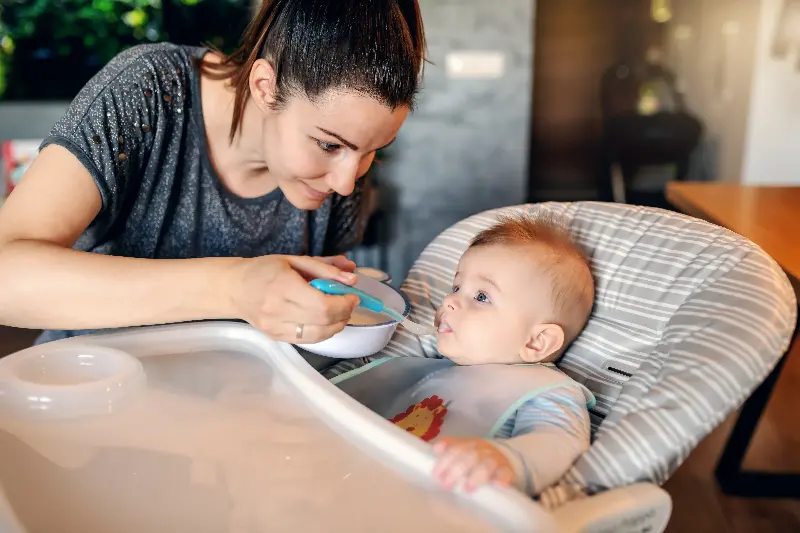
Introducing solid foods is a thrilling—and notoriously messy—milestone. The World Health Organization recommends starting solids around six months, provided the infant can sit with support and has good head control.
This period is a sensory and developmental adventure where babies discover:
- The sensation of holding a spoon.
- The exploration of food textures with their hands.
- An array of new flavors (often accompanied by hilarious facial expressions).
BABBLING TO WORDS: THE LANGUAGE LEAP
Between six and nine months, babbling becomes more complex. You will hear the addition of consonant sounds like “ba,” “da,” and “ma.” These often evolve into recognizable words like “mama” or “dada” by their first birthday.
Physical gestures often precede or accompany verbal ones. Watching for these signs of cognitive growth:
- Waving goodbye or clapping.
- Playing games like peekaboo.
- Pointing toward objects to express intent.
Each small sign of understanding is a victory; a baby’s brain wires thousands of new connections every single day.

CRAWLING, CRUISING, AND FIRST STEPS
While not every baby crawls before walking, it usually appears between seven and ten months. Some infants skip this stage entirely, moving straight to "cruising"—shuffling along the edges of furniture for support.
Before the one-year mark, most babies experiment with standing alone. A wobbly first step can happen anytime from nine to fifteen months.
- According to US developmental statistics, approximately 50% of babies walk by their first birthday, while nearly 90% are walking by 15 months.
- Every attempt should be cheered, as even the tumbles build resilience and confidence.

TEMPERAMENTS AND TINY TRIUMPHS
No two babies reach milestones at precisely the same pace. Genetics, environment, and individual temperament all play a role. Some children are natural explorers who want to touch everything, while others are observational learners who prefer to watch before taking action.
While developmental checklists are helpful guides, there is no universal calendar. If you are ever concerned about a delay, consult your pediatrician for personalized advice. However, remember to treasure the everyday miracles. The big milestones grab the headlines, but the smaller moments—the first giggle or the way they reach for you—are the memories that last a lifetime.