


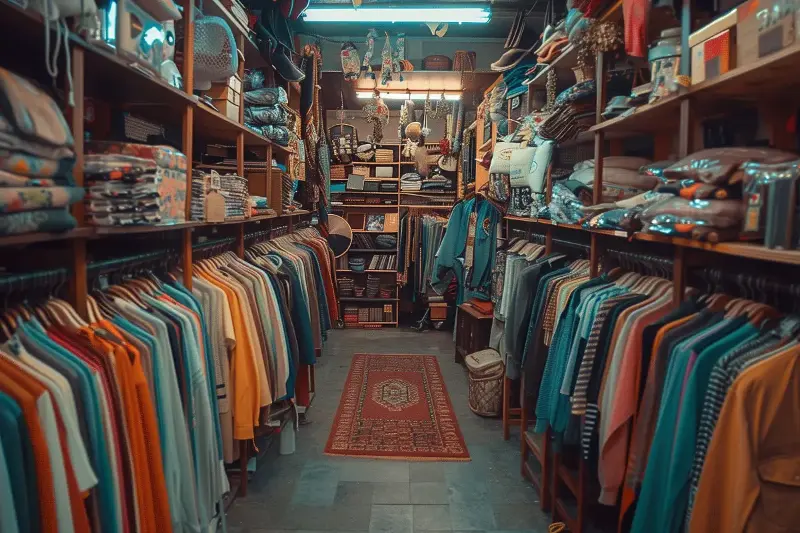
Second-hand shopping has moved far beyond the image of dusty thrift racks and unpredictable sizing. Today, it is a creative style habit embraced by students, collectors, parents, designers, and celebrities alike.
A well-chosen pre-loved coat, leather bag, or pair of denim jeans offers a unique character that is difficult to find in mass-produced clothing. It also makes getting dressed feel deeply personal, as the best thrifted pieces carry a fascinating story into your wardrobe.
A More Individual Way to Dress
While fast fashion makes trends available quickly, it also makes many wardrobes look identical. Second-hand stores, resale apps, and vintage markets offer a refreshing alternative.
- Distinctive details: Instead of seeing the same jacket repeated across social media, shoppers can discover distinctive prints, unusual tailoring, and craftsmanship from another era.
- Superior quality: Older clothing frequently features natural fibers, metal zips, lined interiors, and carefully finished buttons that stand the test of time.
- Versatile styling: A 1970s suede jacket pairs effortlessly with modern trainers, while a classic 1990s blazer instantly sharpens a simple jeans-and-t-shirt outfit.
- The 3-outfit rule: Shop for versatility over novelty. Before buying a bold statement piece, imagine at least three different ways to style it with items you already own.
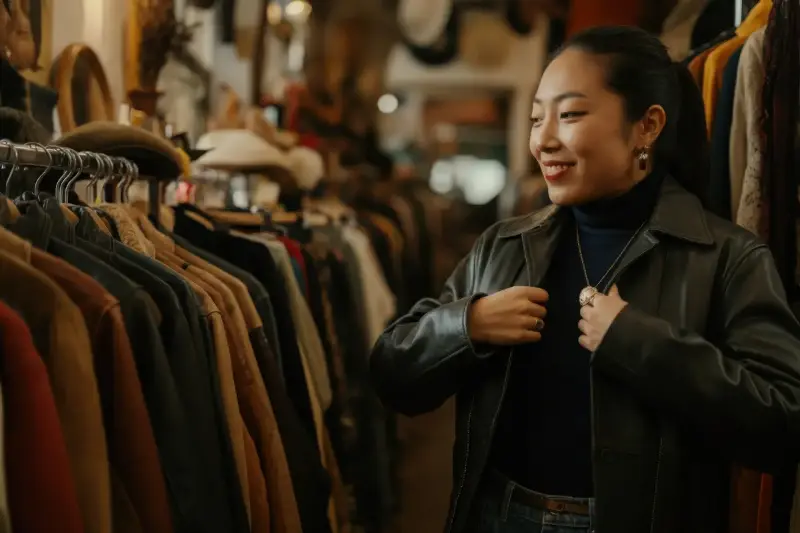
The Environmental Case for Reuse
The fashion industry consumes enormous amounts of water, energy, and raw materials. Synthetic fabrics such as polyester rely on fossil fuels, while textile consumption generates a significant share of global emissions and waste.
- Extending product lifespans: Buying an existing garment reduces the demand for new resource-intensive manufacturing.
- Fighting disposable culture: Many items are discarded long before they are truly worn out. Replacing a missing button or fixing a hem keeps quality clothing out of landfills.
- Circularity in action: Second-hand fashion reinforces the idea that clothing is an enduring resource to be repaired, resold, and enjoyed repeatedly.
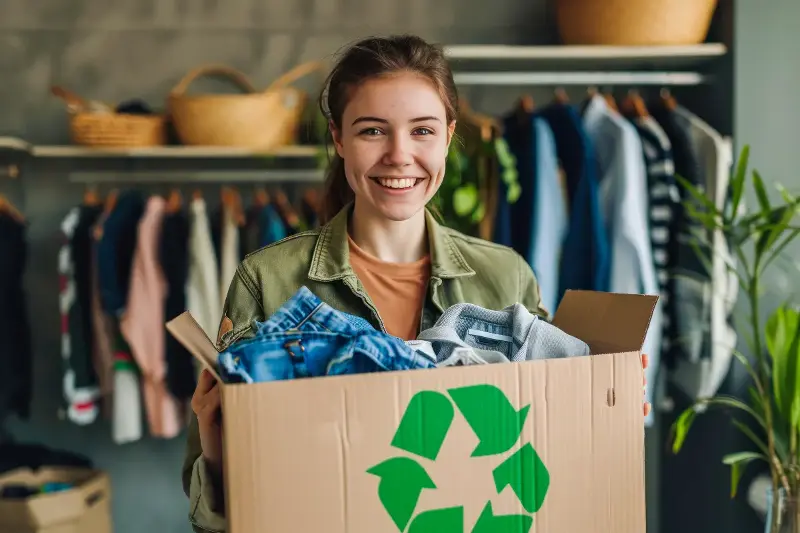
What to Look for Before Buying
Thrifting rewards patience, but applying a few practical guidelines makes your search much more effective:
- Filter by fabric and category: Scan racks by focusing on specific garments (like wool coats) or high-quality materials (such as linen, silk, and cotton) to avoid feeling overwhelmed.
- Inspect critical condition points: Check underarms, cuffs, collars, and seams for signs of wear. Test zips and hold garments up to the light to spot thin areas or small holes.
- Approach sizing flexibly: Vintage sizing differs greatly from modern standards. When shopping online, always compare listed garment measurements with your favorite well-fitting clothes rather than relying on tag sizes.
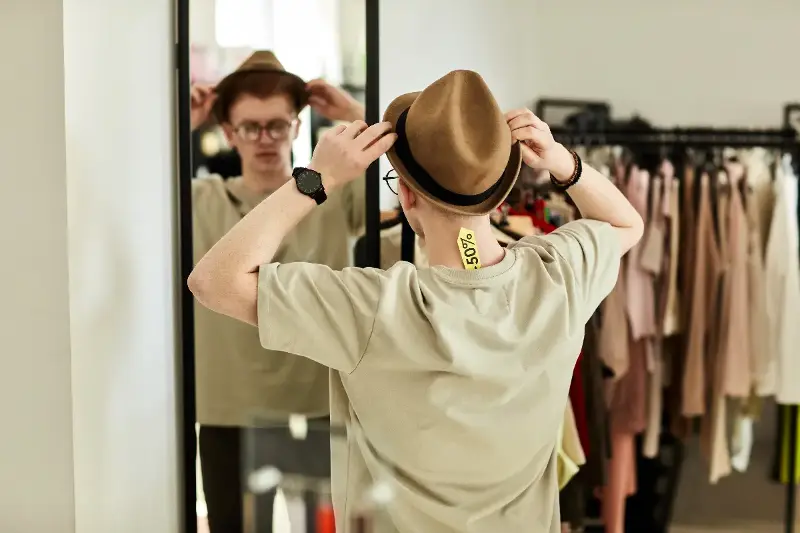
Exploring the Pre-Loved Universe
Second-hand fashion now comes in many accessible forms. Community charity shops offer affordable surprises, while curated vintage boutiques select high-end classics. Clothing swaps provide a fun, low-cost way to trade items with friends, and online resale platforms make searching for specific brands remarkably easy.
The most sustainable purchase is never simply the cheapest bargain—it is the item you will genuinely wear, care for, and keep in circulation. Embracing pre-loved fashion uncovers remarkable design while proving that clothing does not need to be brand new to feel genuinely exciting.