


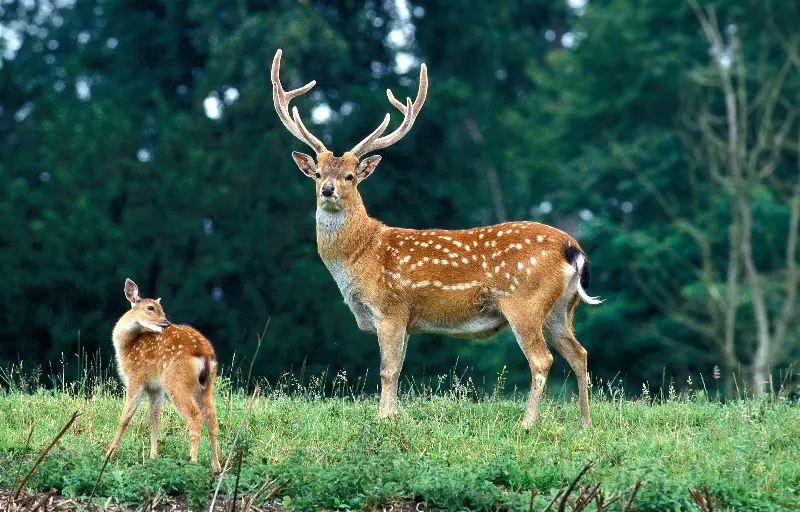
In the dappled light of ancient woodlands, where silence weaves through mossy trunks and the air feels almost enchanted, a graceful figure moves with ease. The sika deer (Cervus nippon), known for its elegant form and delicate poise, is one of nature’s most captivating mammals.
Revered across continents and celebrated in centuries of myth and art, this beautiful creature offers a glimpse into the quiet magic that thrives beneath the canopy of the world’s oldest forests. Their story is one of survival, sacred status, and remarkable adaptability.
A PICTURE OF GRACE: THE SIKA DEER’S APPEARANCE
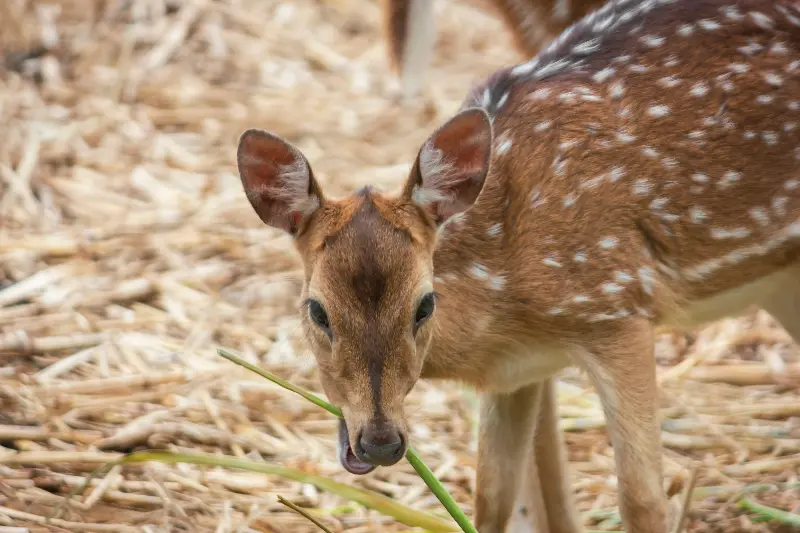
The sika deer is a marvel of evolutionary artistry. Slender-legged and lithe, its small head is crowned by graceful, lyre-shaped antlers in males (stags). Perhaps its most striking feature is its transformative coat:
- Summer Splendor: During the warmer months, they unveil a rich russet hue flecked with brilliant white spots. Unlike many other deer, these spots often persist into adulthood.
- Winter Wardrobe: As autumn mists gather, their coats thicken and turn a darker, charcoal-grey or brown—a practical adaptation for camouflage and warmth.
- Facial Features: Their large, expressive eyes and gentle muzzles give them an innocent charm that has made them beloved icons in Japanese poetry and Chinese paintings.
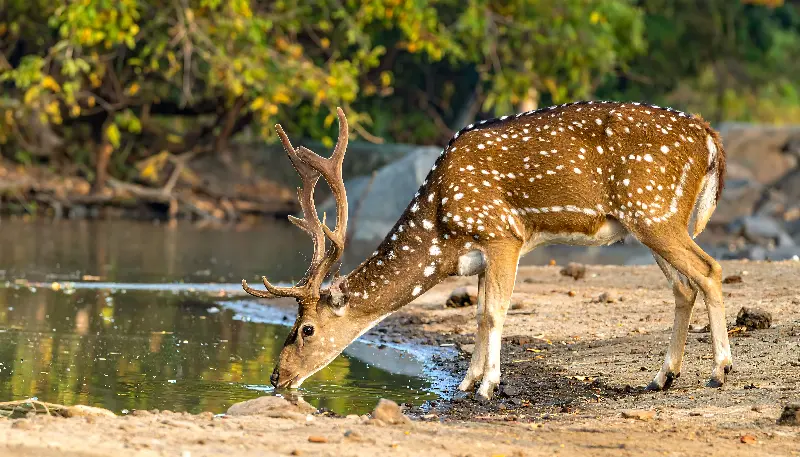
HABITATS: FROM MISTY MOUNTAINS TO NEW FRONTIERS
Native to East Asia, sika deer originally ranged from the subtropical forests of Vietnam and Taiwan to the frigid edges of eastern Russia. Today, their narrative spans the globe:
- Japan’s Sacred Groves: The largest populations thrive in Japan. In Shinto belief, they are considered messengers of the gods. In places like Nara Park and the cedar forests of Yakushima, they roam freely among human visitors.
- Global Travelers: During the 19th and 20th centuries, they were introduced to Europe, the British Isles, New Zealand, and the United States.
- Ecological Resilience: Whether in Scottish highland glens, Irish oak woods, or American marshlands, the sika has proven to be an exceptionally versatile resident.
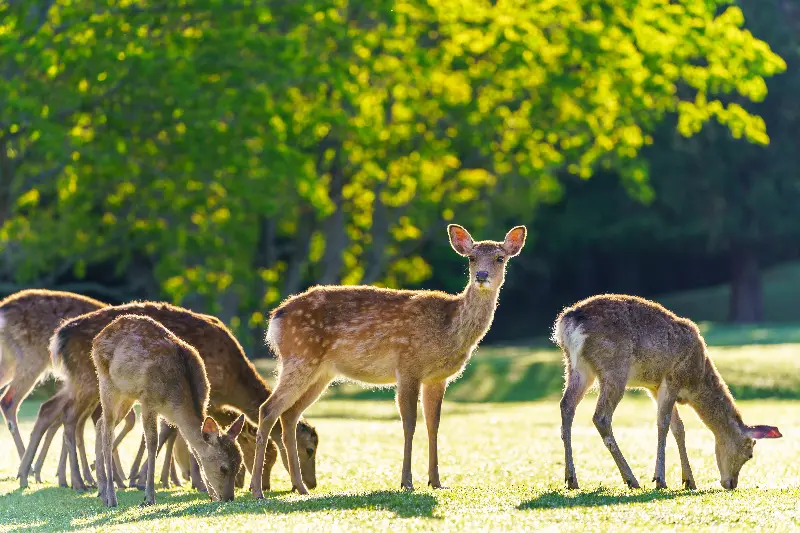
SILENT COMMUNICATORS: THE SOCIAL LIVES OF SIKA DEER
While they glide in almost perfect silence, sika deer maintain a complex social structure. They are primarily crepuscular, meaning they are most active at the "edge" of the day—dawn and dusk.
Their social organization is highly sophisticated:
- Segregated Groups: Herds are often organized by sex. Mothers and fawns form tight-knit units, while males typically wander alone or in "bachelor groups" for most of the year.
- The Haunting Rut: During the autumn mating season, the forest air changes. Stags emit plaintive whistles and high-pitched barks rather than the deep roars typical of red deer.
- Body Language: They are masters of the "silent cue". A quick stamp of a hoof, a specific ear tilt, or a flick of the white rump patch communicates caution or curiosity to the rest of the herd.
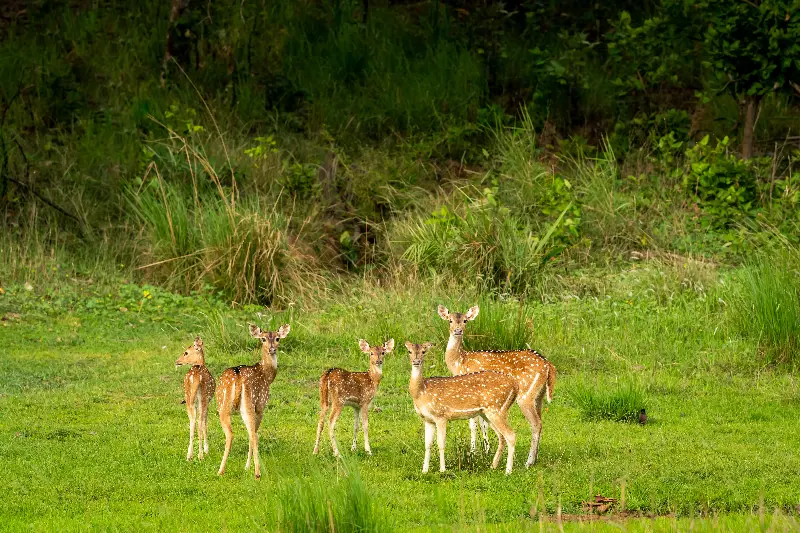
ENIGMATIC DIET: RESOURCEFUL BROWSERS
In the wild, sika deer are fussy yet resourceful eaters. Their survival is tied to their ability to pivot based on the season:
- Preferred Forage: They primarily seek out tender grasses and deciduous leaves.
- Winter Survival: When frost sets in, they transition to eating twigs, fallen fruit, and even the fibrous bark of saplings.
- Cultural Adaptation: In Japan’s Nara Park, they have famously adapted to a human-provided diet, bowing to tourists in exchange for shika senbei (deer crackers).
HERITAGE AND CONSERVATION: BALANCING MYTH AND ECOLOGY
Few animals hold such a cherished place in human history. In ancient Japan, killing a sika deer was once a crime punishable by death. In China, they symbolize good fortune and longevity, their spotted coats often compared to falling cherry blossoms.
However, their success has brought modern challenges. Because they are so hardy, introduced populations can sometimes overpopulate, leading to the stripping of native flora. Current conservation focuses on:
- Establishing wildlife corridors to prevent inbreeding.
- Careful population management to protect forest regeneration.
- Balancing their sacred cultural status with ecological health.

CONCLUSION
The presence of the sika deer reminds us of the delicate ties we share with the natural world—ties woven through centuries of memory and quiet coexistence. As you walk through an old forest, listen for the softest crackle of a leaf; you might just catch a glimpse of this enchanting spirit melting into a shaft of golden light.