



Hitting the road, whether for a daily commute or a cross-country adventure, should feel like a journey to new possibilities, not a test of your survival skills. Yet, any seasoned driver will tell you—unexpected turns are just part of the ride. That’s where a well-stocked emergency kit can become your unsung hero, protecting you and your passengers when surprises appear from out of nowhere. Let’s dive into the essential items you should always keep tucked in your car and discover a few surprising must-haves that can make all the difference when you need them most.
WHY EVERY CAR NEEDS AN EMERGENCY KIT
Most drivers hope their vehicle’s reliability and a full tank of fuel are enough to get them from point A to point B without a hitch. In reality, roadside emergencies—from flat tires and dead batteries to sudden weather changes—are more common than you think. According to the American Automobile Association (AAA), they receive over 30 million roadside assistance calls annually in the U.S. alone.
Having an emergency kit isn’t about expecting disaster; it’s about driving with confidence, knowing you’re prepared. It is an essential asset for:
- Daily commuters navigating heavy traffic.
- New parents ensuring their family's safety.
- Young adventurers exploring remote locations.
- Long-distance travelers crossing varied terrain.
THE BASICS: MUST-HAVE EMERGENCY KIT ESSENTIALS
Every car emergency kit should be built on a foundation of basic supplies that cover the most common roadside mishaps. If you are starting from scratch, focus on these high-priority items:
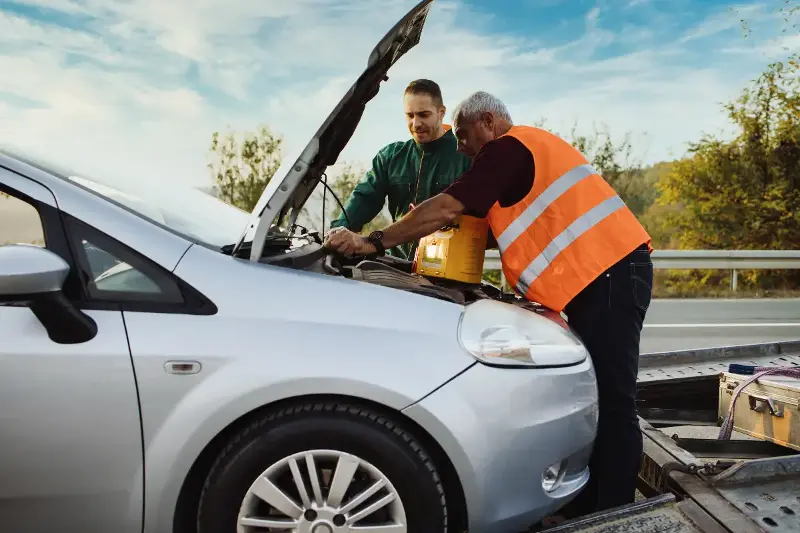
- Jumper Cables: A dead battery is one of the most frequent issues. A reliable pair of cables—or a portable jump starter—can get you back on the road without needing to flag down a stranger.
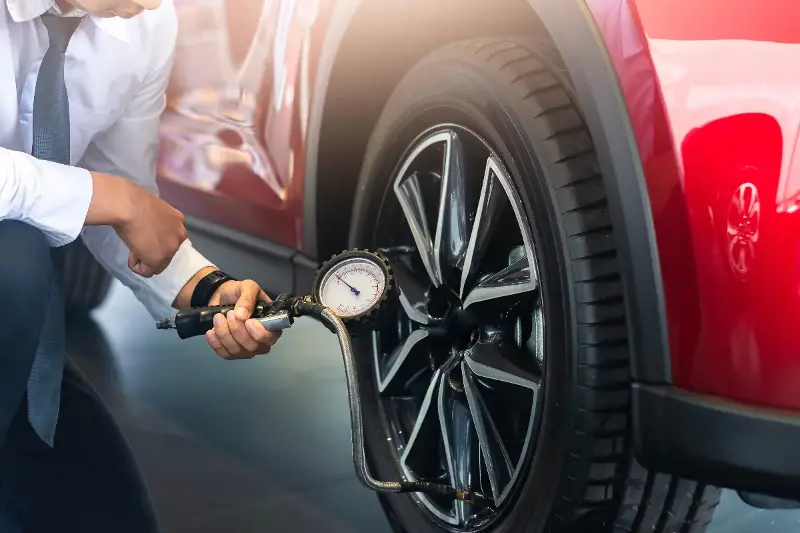
- Tire Care: A quality tire inflator and tire pressure gauge are invaluable. Detecting low pressure early can prevent blowouts, while a portable inflator helps you reach a repair shop after a slow leak.
- First Aid Kit: Ensure your kit is well-stocked with adhesive bandages, antiseptic wipes, gauze pads, scissors, tweezers, and pain relievers.
- Tools and Lighting: Pack a multipurpose tool or Swiss Army knife for minor repairs. Most importantly, keep a powerful LED flashlight with spare batteries; breaking down at night without light is both inconvenient and dangerous.
BE SEEN AND STAY SAFE: VISIBILITY AND WARNING DEVICES
Safety should always be your top priority, especially if you’re stuck on the side of a busy road. You need to ensure other drivers see you long before they reach your position.
- High-Visibility Vests: These make you immediately identifiable to passing motorists.
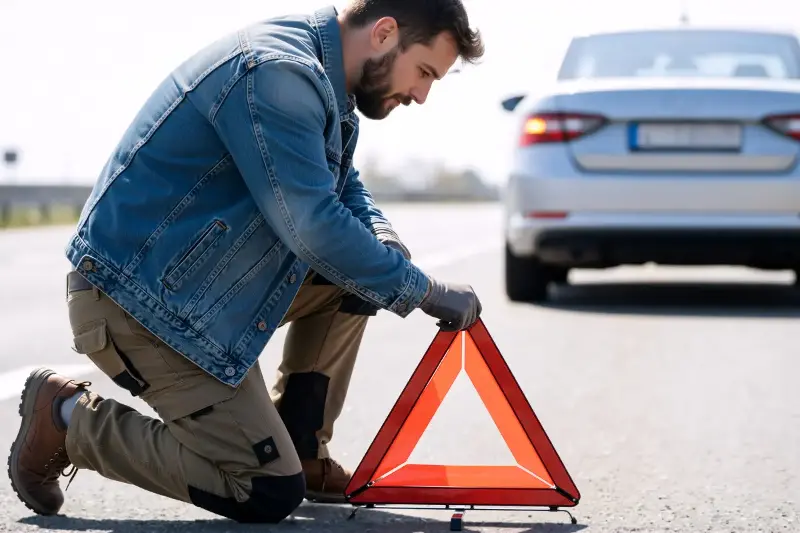
- Reflective Triangles: Place these behind your vehicle to provide an early warning to oncoming traffic.
- LED Emergency Beacons: Modern beacons can last for hours on a single charge and are far safer than old-school chemical flares.
- Signal Whistle: A simple but effective way to signal for help if you are stranded without cell service.
PREPARED FOR THE ELEMENTS: WEATHER-SPECIFIC SUPPLIES
Weather is often the wildcard in any journey. Keeping a few items in your car all year round can help you manage unpredictable shifts in temperature and precipitation.
During the Winter Months:
- Thermal Space Blankets: These are lightweight and reflect body heat to prevent hypothermia.
- Winter Tools: Always carry an ice scraper, windshield de-mister, and waterproof gloves.
For Summer or Desert Climates:
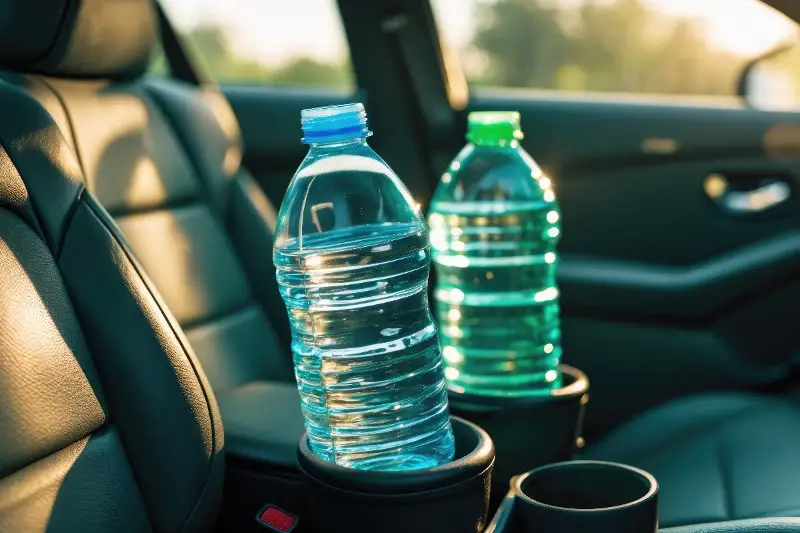
- Hydration: Bottled water is non-negotiable. Even on short trips, heat exhaustion is a real threat during a breakdown.
- Sun Protection: Keep collapsible sun hats and sunscreen to shield yourself during a long wait for a tow truck.
- Rain Gear: Ponchos, an umbrella, and spare socks ensure you stay dry and comfortable if you have to change a tire in a downpour.
UNEXPECTED ESSENTIALS: OFTEN OVERLOOKED, ALWAYS HANDY
A surprising number of drivers forget small but ultra-useful items that provide "MacGyver-like" solutions to big problems. Consider adding these to your trunk:
- Duct Tape: Known for endless uses, from patching a leaky hose to temporarily securing a loose bumper.
- Emergency Cash: Keep small bills for fuel, tolls, or vending machines when card readers are down.
- Paper and Pen: Essential for recording incident details or leaving a note on your dashboard.
- Documentation: Copies of your insurance, registration, and medical info—sealed in a waterproof bag—save precious time during an accident.
- Nutrition: Non-perishable snacks like granola bars or trail mix keep energy levels stable during long waits.
EVOLVING AND CUSTOMIZING YOUR KIT
No two drivers are exactly alike, and your emergency kit should reflect your unique life. Customization is key. Pet owners might want collapsible water bowls and a spare leash, while parents of young children should add baby wipes, diapers, or small toys to keep kids occupied.
Finally, perform a seasonal audit. Every six months, swap out expired snacks, check that your flashlight still works, and replace any used first-aid supplies. By maintaining your kit, you ensure that you aren't just surviving the unexpected—you’re conquering it, one safe mile at a time.