


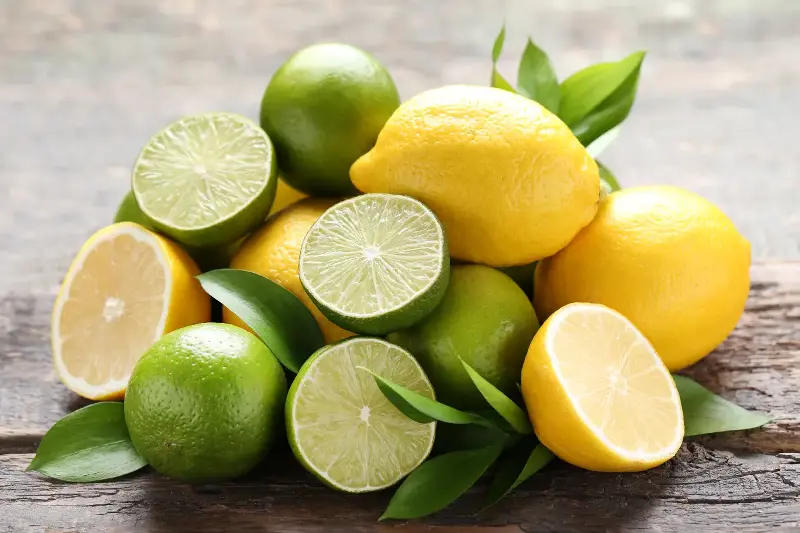
Bright, fresh, and brimming with flavor, citrus fruits are the cornerstones of countless global cuisines. At the heart of this zesty family stand two beloved characters: lemons and limes. Whether you are spritzing a burst of tartness over seafood, giving punch to a cocktail, or enhancing the aroma of a cake, these citrus powerhouses are indispensable. But which one truly reigns supreme in kitchens worldwide? Let’s take a closer look at these culinary rivals.
ORIGINS AND VARIETIES: A TALE ACROSS CONTINENTS
Long before lemons and limes found their way into our lemonade pitchers or mojito glasses, they traveled fascinating journeys across continents.
- Lemons: Believed to have originated in Northeast India, northern Burma, and China. Their bright yellow skin signals ripeness and a promise of tangy, aromatic juice. Common varieties include:
- Eureka: Prized for its juiciness and year-round availability.
- Lisbon: Known for having a thinner skin and fewer seeds.
- Limes: Hailing from Southeast Asia, these fruits are generally smaller and rounder.
- Persian Limes: The most common variety found in grocery stores.
- Key Limes: Famed for their intense aroma and higher acidity.
While lemons lean toward a tart sharpness tinged with a hint of sweetness, limes offer a brisk, floral acidity with a subtle, sophisticated bitterness.
NUTRITION AND HEALTH: WHICH PACKS MORE PUNCH?
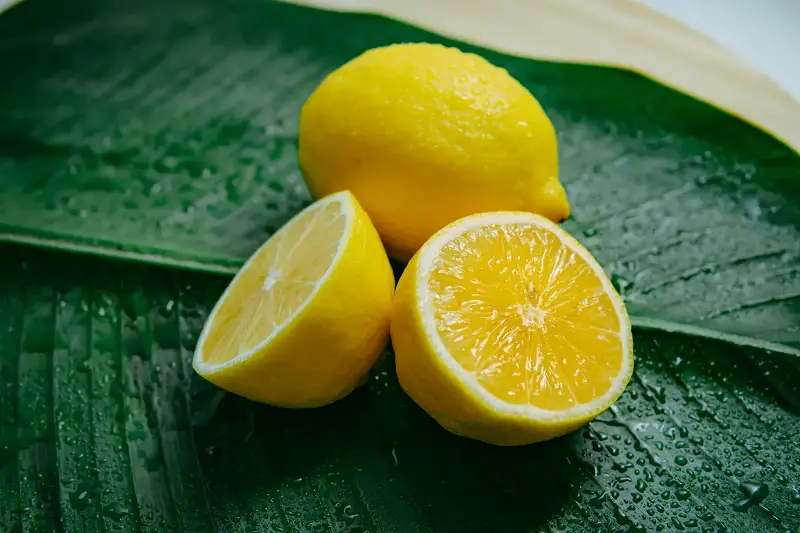
Both fruits are nutritional heavyweights, loaded with Vitamin C—essential for immune health, collagen formation, and antioxidant protection.
- Lemon Power: A single lemon can provide over 30% of your daily Vitamin C needs.
- Lime Power: A lime offers roughly 22% of the same requirement.
Interestingly, while lemons edge out limes in pure Vitamin C content, limes have a higher concentration of certain phytochemicals that may support heart health and improve digestion. Both are equally low in sugar and calories, making them ideal for adding big flavor without the guilt.
CULINARY VERSATILITY: GLOBAL FLAVORS IN EVERY SQUEEZE
When it comes to kitchen prowess, these fruits shine in unique ways that align with different cultural traditions.
Lemons are the darlings of Mediterranean, Middle Eastern, and European cooking. Their tangy zest wakes up salad dressings, brightens roasted meats, and infuses desserts with sunshine. Classic dishes like Greek avgolemono or French tarte au citron simply would not exist without them.
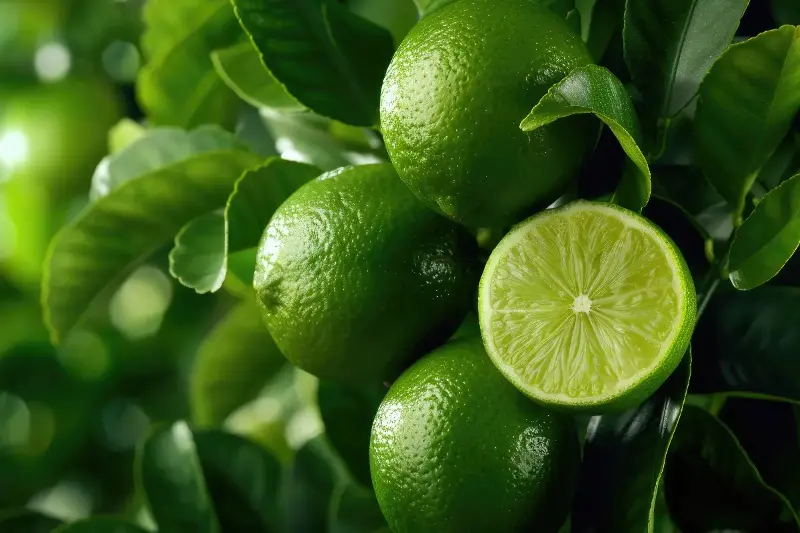
Limes, meanwhile, are the stars of Latin American, Southeast Asian, and Caribbean cuisines. Their tart zing forms the backbone of:
- Ceviche: Where the acid "cooks" the raw fish.
- Pad Thai: Providing a necessary balance to salty and sweet notes.
- Guacamole: Keeping the avocado vibrant and fresh.
BAKING AND BEVERAGES: THE SWEET AND SOUR SHOWDOWN
In the world of baking, lemons have the upper hand. Their juice and zest cut through heavy fats, balancing the richness of butter and sugar. Think of the classic lemon drizzle cake or lemon meringue pie.
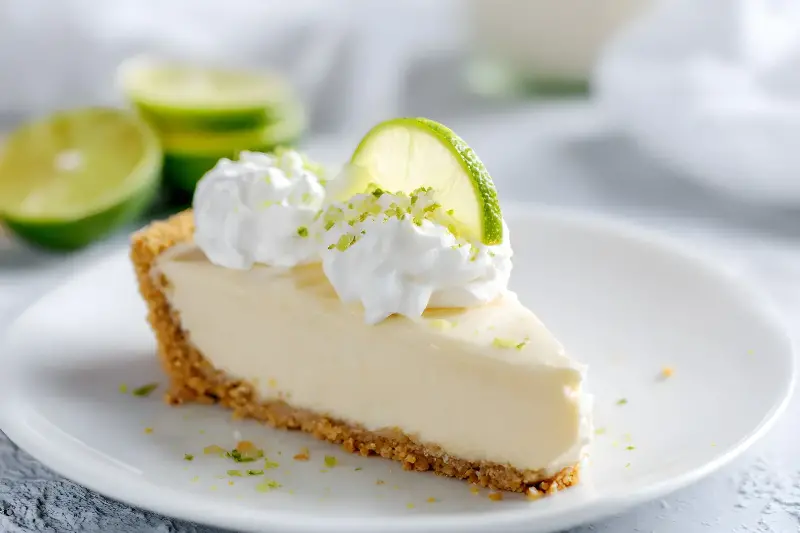
Limes, however, own the tropical dessert space. The signature tartness of a Key lime pie is both refreshing and unforgettable, often paired beautifully with coconut or ginger. On the beverage front, it is a virtual tie. Lemons are the essential backbone of classic lemonade and Arnold Palmers. Limes rule the roost in fresh limeades, sparkling citrus sodas, and tropical fruit punches. Their complex tang is the secret to balancing sweetness in a wide variety of non-alcoholic refreshments.
HOUSEHOLD USES AND PRESERVATION TIPS
Beyond the plate, both fruits perform double duty. Their acidic juice cuts through grease and stains, while lemon’s aroma acts as a natural deodorizer.
- Storage: To ensure the longest shelf life, store both in the refrigerator. They will remain plump and juicy for several weeks.
- Juicing Hack: Let them come to room temperature and give them a gentle roll on the countertop to break the internal membranes and release the most juice.
THE FINAL VERDICT
So, which citrus fruit reigns supreme? The answer depends entirely on your palate. Lemons bring a warm, universal appeal, while limes thrill with a wild, exotic tang. Ultimately, both have earned their place at the top of the citrus tree. The true winner is the cook who knows how to squeeze the best out of both to bring a splash of sunshine to every meal.