


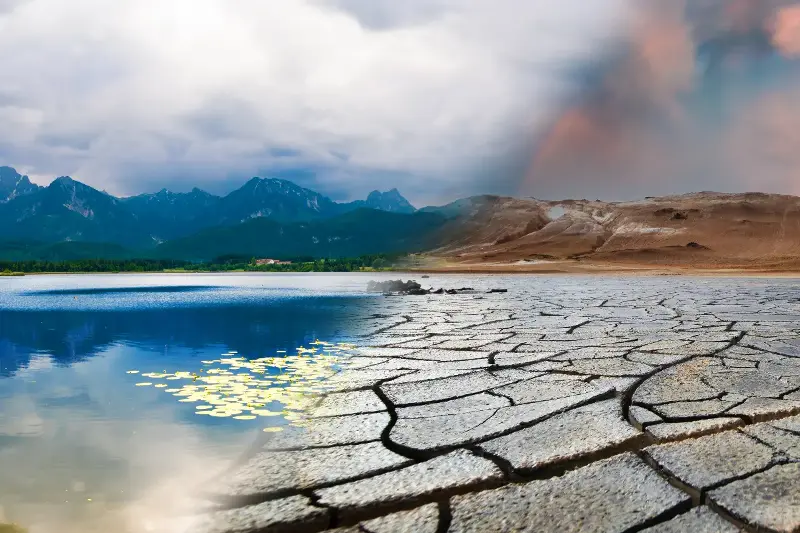
Climate change is often discussed in terms of melting ice, stronger storms, and rising seas, but its effects are already appearing in ordinary household budgets. From grocery bills and insurance premiums to travel plans and electricity costs, a warmer and less predictable climate is changing what people pay for everyday life.
These costs rarely arrive as a separate "climate charge." Instead, they are built directly into prices through:
- Damaged crops and reduced agricultural yields
- Disrupted supply chains and transport delays
- Higher repair bills following extreme weather
- Increased energy demand and grid maintenance
Understanding these links can help households make practical choices while supporting solutions that lower future expenses.
Food Prices in a Changing Climate
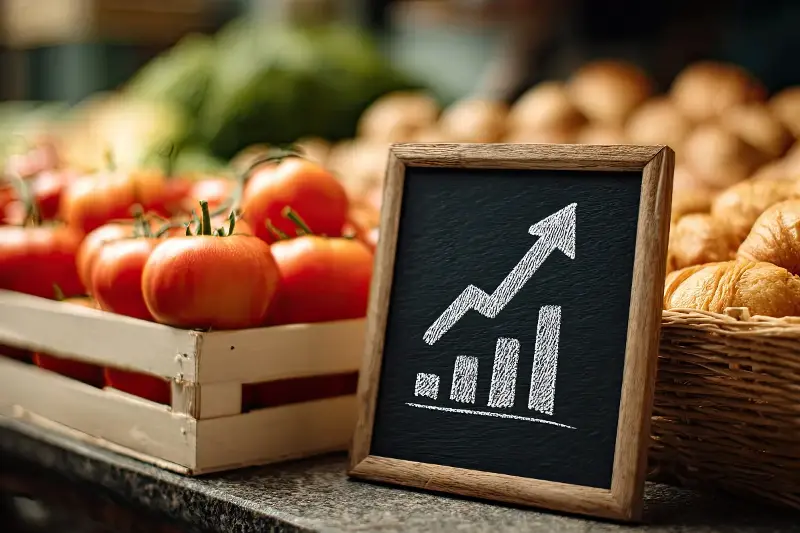
Weather has always influenced farming, but climate change is increasing the frequency and intensity of heatwaves, droughts, floods, and unusual seasonal shifts. These events reduce harvests, damage livestock, and make it harder to transport food from farms to shops.
Severe drought can drastically reduce yields of staple crops like wheat, corn, rice, and vegetables, while excessive rain spoils fruit and prevents planting. Heat stress also affects farm animals, reducing milk production in dairy cattle. When overall food supplies fall, grocery store prices naturally rise.
Certain everyday items are especially sensitive to weather changes:
- Coffee: Plants require narrow temperature ranges and face higher pest risks.
- Chocolate: Cocoa crops face severe disease pressures and extreme rainfall shifts.
- Olive Oil: Prolonged droughts across major Mediterranean regions have reduced output.
Smart Adaptation: Buying seasonal produce, reducing food waste, and trying a wider variety of ingredients can help households adapt. Frozen and canned fruits and vegetables also offer affordable, nutritious alternatives when fresh items become expensive.
Energy Bills and Extreme Temperatures
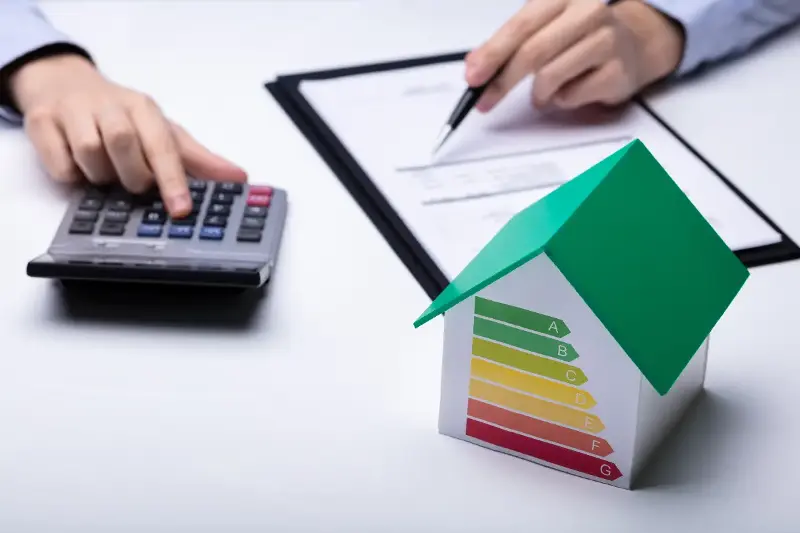
Hotter summers are changing how homes consume energy. Air conditioning, fans, and refrigeration work significantly harder during intense heatwaves, placing heavy demand on power grids during peak daytime hours.
At the same time, sudden cold snaps can still happen. A disrupted climate brings sharp temperature swings, creating periods where households require both heating and cooling within the same season.
Higher demand leads directly to higher utility bills. Power companies must also invest in stronger grids, backup generators, and equipment capable of withstanding storms and fires—long-term infrastructure costs that are eventually passed on to consumers.
Simple Energy Savers: Sealing drafts, improving insulation, using window shades, and choosing efficient appliances make a noticeable difference. Closing curtains during peak sunlight hours and using fans before turning on air conditioning lowers power consumption without sacrificing indoor comfort.

Insurance and Housing Costs
Insurance is one of the clearest ways climate risk reaches personal finances. As severe rainfall, hail, flooding, and fires cause more property damage, insurance companies face larger and more frequent claims. In response, they often raise monthly premiums, increase deductibles, or restrict coverage in high-risk areas.
In vulnerable locations, homeowners are finding that natural disaster insurance is difficult to secure at any price. This affects property values, as a home that is expensive to insure is harder to sell, and mortgage lenders require adequate coverage before approving loans.
Renters are affected as well:
- Higher Rents: Landlords pass on increased property insurance and maintenance costs.
- Property Risks: Severe weather disruptions can cause local housing shortages.
- Coverage Gaps: Standard renters' policies may exclude specific natural hazard damages.
Reviewing insurance policies well before disaster season is a wise habit. It is useful to understand deductible limits and check whether separate flood coverage is necessary for your area.
Travel and Everyday Services
Climate change is reshaping travel costs and daily routines. Extreme heatwaves make popular cities uncomfortable during summer months, while unexpected storms and flooding delay flights, close highways, and disrupt public transit.
Local services and holiday destinations are adapting too:
- Ski Resorts: Face shorter operational seasons due to declining natural snowfall.
- Coastal Destinations: Spend more on beach erosion protection and heat safety.
- Routine Services: Outdoor construction and road repairs are frequently delayed by extreme heat or heavy rain.
These climate adaptation expenses increasingly show up in accommodation rates, local municipal taxes, and recreational activity pricing.

Practical Choices That Build Financial Resilience
The good news is that many climate-smart choices directly support household finances. Driving less, taking public transit, cycling, or choosing a fuel-efficient vehicle reduces ongoing fuel spending. Eliminating household food waste saves money while lowering the emissions associated with food production and transport.
Homes can become far more resilient with a few modest steps:
- Clear roof gutters regularly to prevent water backup
- Install water-saving fixtures throughout the house
- Protect outdoor areas from potential storm damage
- Plant shade trees to reduce natural heat exposure
Climate change is no longer a distant issue reserved for scientific reports. It is actively reflected in the cost of food, energy, housing, and travel. By recognizing these connections, planning ahead, and making practical household improvements, families can protect their budgets while contributing to a safer, more stable future.