


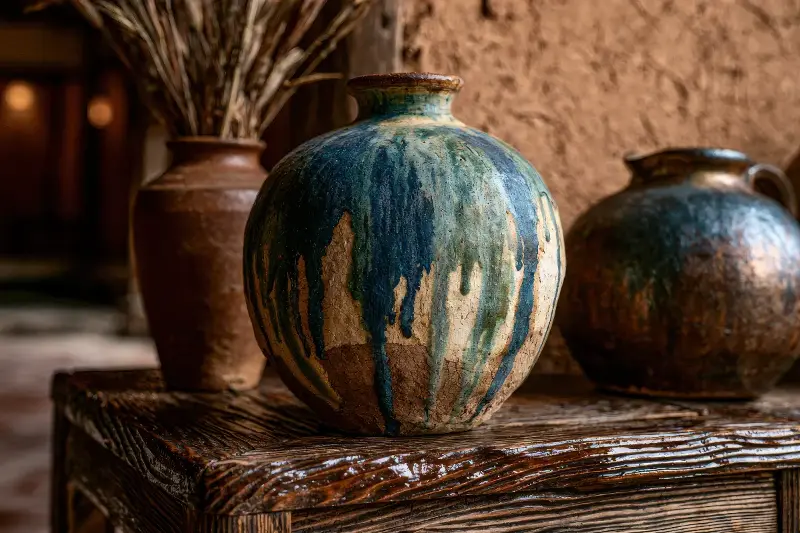
A century-old ceramic plate can look surprisingly fresh: cobalt blue still deep, copper green still lively, and delicate gold details bright enough to catch the light. This remarkable durability is not simply luck or careful storage. Many historic ceramic dishes were crafted with materials and high-temperature firing methods that locked color directly into the surface far more effectively than ordinary paint.
Unlike textiles, paper, or modern plastics, ceramics rarely fade. When colored decoration becomes fused within a glass-like glaze, powdered minerals transform into permanent decorative art designed to survive generations of daily use.
Color Born in Fire
Ceramic color begins with raw minerals. Potters and master decorators have long relied on metal oxides to produce reliable, vibrant shades:
- Cobalt Oxide: Creates intense, highly stable blue tones.
- Copper Oxide: Produces rich green, turquoise, or deep red shades.
- Iron Oxide: Yields earthy brown, rust, and warm ochre tones.
- Manganese & Chromium: Generate deep purples, blacks, and vivid forest greens.
Unlike organic dyes, these inorganic mineral compounds are immune to traditional fading. During kiln firing—where temperatures reach between 900°C and 1,300°C—the glaze melts into a smooth liquid. As it cools, it seals the mineral pigments inside a hard, glass-like shield.
The Protective Power of Glaze
A glaze serves as a permanent protective barrier against moisture, surface stains, and everyday abrasion. The method of application determines how well the color endures over time:
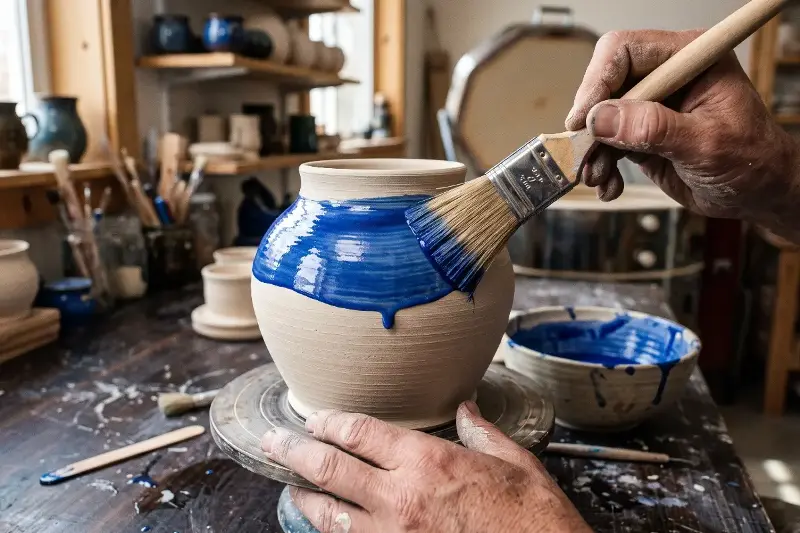
- Underglaze Decoration: Pigments are applied directly to the unfired ceramic body before being covered with a clear glaze and fired. Blue-and-white porcelain is the classic example—because the design is sealed beneath glass, food and washing cloths never touch the pigment directly.
- Overglaze Decoration: Enamels and gilding are painted onto an already-glazed piece and fired a second time at a lower temperature. While fine gold rims may rub away after decades of heavy handling, well-preserved pieces retain their rich detail for centuries.
Resistance to Sunlight and Fading
Sunlight is a primary enemy of color, as ultraviolet light breaks down the chemical bonds in organic dyes and household paints. Mineral-based ceramic pigments behave differently because their chemical bonds are already incredibly stable.
While delicate pinks and purples can show mild sensitivity over long periods, core earth tones and cobalt blues remain virtually immune to UV degradation. A piece displayed in a brightly lit room can retain its original brilliance for decades without fading.
Exceptional Craftsmanship and Kiln Mastery
Historic workshops mastered complex chemical reactions long before modern science explained them. Potters understood that controlling the kiln atmosphere was essential for color accuracy:
- Oxidation Firing: An oxygen-rich atmosphere creates bright greens from copper oxides.
- Reduction Firing: A low-oxygen environment transforms the exact same copper oxide into vibrant, rare shades of red.
Careful heating and cooling schedules prevented glazes from cracking, proving that the lasting beauty of antique dishes was never an accident—it was the result of incredible technical skill.
Preserving Vintage Character and Beauty
Natural aging often enhances the charm of historic tableware. Gentle networks of fine lines in the glaze, known as crazing, develop over time as the clay and glaze expand at slightly different rates, giving antique pieces a warm, authentic character.
To protect these historic treasures for the future, follow a few basic care guidelines:
- Wash gently by hand using mild soap—never place antique ceramics in a dishwasher.
- Avoid sudden temperature shocks, harsh scouring pads, or prolonged soaking.
- Display decorative plates away from extreme direct heat, supporting them carefully from underneath.
With thoughtful care, the vibrant colors forged in fire centuries ago will continue to brighten homes for generations to come.