



Sedentary work has become a hallmark of the modern world, shaping the way millions of professionals spend their days. From open-plan offices to cozy home setups, the digital age has given many people the ability—or necessity—to spend hours seated, eyes glued to screens, hands poised above keyboards. While this setup may feel convenient and productive, there’s a silent impact lurking beneath the surface: our bodies are paying a price for all this stillness. Understanding this invisible consequence and harnessing the power of movement can make a world of difference in workplace wellbeing.
The Hidden Health Toll of Sitting Still
At first glance, sitting for work may seem harmless, even restful. But research tells another story. Prolonged periods of sitting have been linked to a spectrum of health concerns that can quietly accumulate over time.
- Slower Metabolism: When you sit for long stretches, your body’s ability to process fats and sugars slows down efficiently.
- Reduced Circulation: Blood flow becomes less dynamic, making it easier for strain to build up in your cardiovascular system.
- Declining Insulin Sensitivity: Extended stillness can impact how your body manages energy, paving the way for metabolic imbalances.
Even outside of long-term health concerns, there are other, more immediate impacts. Stiff necks, lower back pain, tight hips, and weakened muscles become common complaints—a condition sometimes called “sitting disease.” As the muscles that support posture and vitality lie dormant, there’s more pressure on your spine and joints. Over months and years, this silent strain can lead to posture problems and repetitive strain injuries.
However, it’s not all doom and gloom. Armed with knowledge and a few easy strategies, anyone can reverse or reduce these risks. The first step is understanding that even small changes really count.

Why Our Bodies Crave Movement
Humans evolved as moving creatures. The human body is simply not designed for static living; our muscles, ligaments, and connective tissues thrive on regular movement and variation.
- Circulation Boost: Movement stimulates blood flow and oxygen delivery, which fuel both your brain and muscles.
- Mental Clarity: Just standing up and stretching periodically can boost your energy, clear brain fog, and even ignite creative problem-solving.
- Stress Reduction: Studies show that professionals who move regularly during workdays report higher job satisfaction and lower stress levels.
In fact, just two minutes of walking every hour has been shown to counteract some of the negative impacts of sitting. Integrating simple physical activities into your day delivers outsized benefits—not just for your body, but also for your mental sharpness and emotional wellbeing.
Easy Ways to Add Movement to Your Workday
You don’t need to overhaul your career or invest in fancy equipment to fight against sedentary habits. There are many practical and approachable strategies for injecting more activity into any workspace:
- Start with Micro-Breaks: Every 30 to 45 minutes, stand up, roll your shoulders, stretch your arms, or simply take a brisk stroll to get a glass of water. These micro-movements interrupt sitting spells and help reset posture.
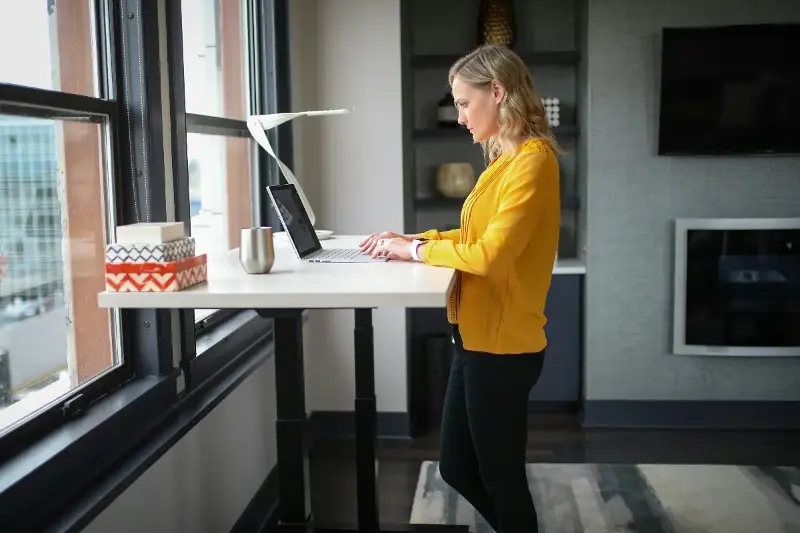
- Utilize Dynamic Desks: Use standing or height-adjustable desks when possible. Shifting between sitting and standing improves circulation and fosters a more dynamic working rhythm.
- Take Active Phone Calls: Walk while you talk. Pacing around your home office or down the hallway turns passive screen time into active moments.
- Gamify Your Routine: Set small movement goals, like doing ten squats during a break. If you love a challenge, recruit coworkers for a friendly step competition.
- Incorporate Stretch Routines: Two or three times a day, take five minutes to stretch your shoulders, back, hips, and wrists to loosen tight muscles and raise your mood.
In addition, consider swapping habitual shortcuts for active choices: take the stairs instead of the elevator, opt for a farther parking spot, or deliver a message to a colleague in person rather than sending an email. Each small act adds up.
Building a Culture of Movement
For movement to become a reliable ally against sedentary work, it helps to make it a collective priority. Many organizations are introducing wellness initiatives, regular stretch breaks, and even walking meetings to promote health from the top down. Encouraging these habits can improve morale, boost productivity, and support overall mental brightness.
At home, set up your workspace to invite activity—keep a yoga mat nearby, place resistance bands under your desk, or set a timer to remind you to stand up. Involve family members or roommates in quick movement breaks, turning solitary activity into a wonderful social boost.
Most importantly, celebrate your progress. Every extra step, every mindful stretch, and every stand-up moment is a victory. Over time, these habits help you build a more engaged, energetic, and creative approach to your work and life.