



Living alone is no longer a niche lifestyle; in major cities worldwide, it has become a defining consumer reality. The rapid growth of the one-person household stems from later marriages, longer life expectancies, urban migration, and a strong desire for personal independence. For modern service industries, this demographic shift presents a dynamic challenge: how to deliver freedom without isolation, convenience without waste, and personalized care without higher costs.
The answer lies in a new wave of services tailored for one person at a time. Rather than treating solo consumers as scaled-down versions of families, forward-thinking brands recognize that single individuals have unique routines, distinct budgets, and elevated expectations.
The Rise of the One-Person Household
According to global economic data, single-person dwellings now represent over one-third of all households in multiple advanced economies, climbing toward 40 percent in nations like Sweden, Norway, and Denmark. Urban centers lead this evolution because housing, career paths, education, and social networks are densely concentrated.
- Global Trends: Japan pioneered this movement with individual dining booths, compact apartments, and ready-to-eat convenience meals—a pattern now seen from London to Seoul.
- Active Independence: Living alone does not equate to loneliness; many solo consumers maintain vibrant social lives and active digital connections.
- Removing Frictions: Today’s independent consumers seek flexible offerings that eliminate unfair "solo penalties," such as minimum party sizes, mandatory travel supplements, or oversized grocery packaging.
Dining Designed for One
Restaurants were among the first establishments to normalize eating alone. Counter seating, communal tables, and digital ordering apps have made solo dining both comfortable and trendy.
- Privacy and Focus: Popularized by chains like Japan's Ichiran, private booth dining allows guests to enjoy high-quality meals in peaceful solitude.
- Casual Comfort: Fast-casual eateries and coffee shops act as welcoming "third places" where individuals can work, read, or dine without feeling rushed.
- Smarter Delivery: Food delivery platforms and meal-kit services now emphasize flexible single-portion subscriptions, minimizing food waste while delivering high quality.
When thoughtfully designed, a solo dining experience feels like an intentional self-care treat rather than a compromise.

Travel Without the Single Supplement
For decades, independent travelers faced the frustrating single supplement—a pricing model where solo guests paid nearly double for hotels and cruise cabins designed for couples. Fortunately, the hospitality sector is undergoing a major transformation:
- Tailored Accommodations: Major cruise lines now feature dedicated studio cabins, while boutique hotels build stylish, compact rooms designed specifically for single guests.
- Curated Group Trips: Tour operators offer roommate-matching programs, small-group adventures, and women-only excursions that balance daytime independence with optional group dinners.
- Safety and Flexibility: Modern travel brands win loyalty by offering transparent safety guidelines, easy cancellation policies, and effortless ways to connect with fellow travelers.
Smaller Homes, Smarter Services
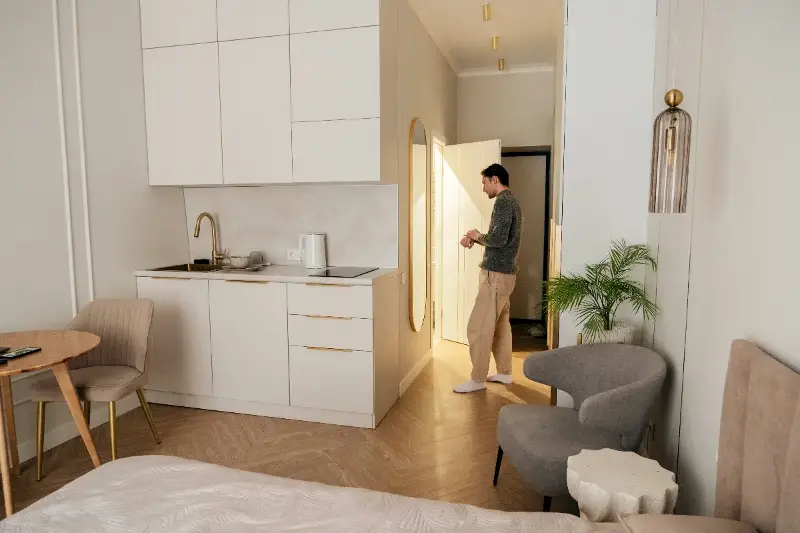
The rise of the single-person household is also reshaping modern real estate. In bustling cities, smaller floor plans are balanced by clever design, high-end amenities, and shared spaces.
- Co-Living Communities: Urban developments provide private bedrooms or studios alongside shared gourmet kitchens, co-working lounges, fitness centers, and organized social events.
- Compact Living Solutions: Space-saving furniture, compact smart appliances, and flexible laundry or cleaning subscriptions cater directly to busy schedules.
- Effortless Management: Smart door locks and automated package lockers ensure residents receive deliveries securely, even when away from home.
Wellness, Care, and Community on Demand
Living independently has expanded the market for personal on-demand services that once relied heavily on family networks. Pet care apps, telehealth consultations, home maintenance platforms, and fitness memberships make single living seamless and empowering.
The most successful brands avoid viewing solo customers as isolated. Instead, they offer empowering choices through flexible membership tiers, pay-as-you-go access, and friction-free booking.
The "Age of One" is not about stepping away from society—it is about individuals designing lives on their own terms. Companies that respect this autonomy will create richer, more meaningful experiences for the modern solo consumer.