


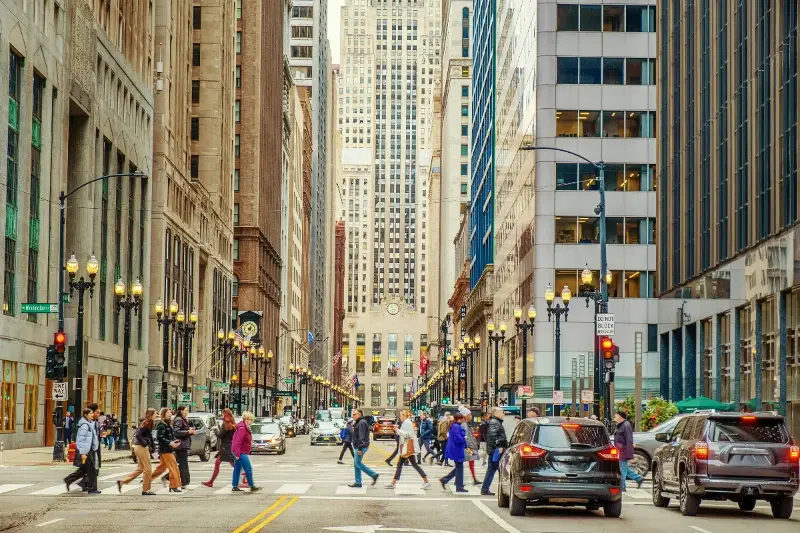
Why do some cities buzz with life, drawing both locals and visitors on foot, while others leave us feeling flat and disengaged? Across the globe, certain urban spaces make you want to slow down, stop for a coffee, or simply enjoy an unhurried stroll. The magic comes down to a blend of intentional design choices, subtle invitations, and cultural shifts. Let us take a closer look at the surprising and delightful factors that turn an ordinary city street into a playground of joy for pedestrians.
THE MAGNETIC PULL OF HUMAN-SCALE DESIGN
One of the most overlooked secrets behind lively cities is their human scale. This means buildings, sidewalks, and street elements are sized to suit people rather than cars or massive skyscrapers.
- Comfortable Proportions: Streets where buildings are no taller than three to five stories feel instantly more comfortable. These proportions help pedestrians feel embraced rather than dwarfed by their surroundings.
- Active Facades: Buildings with transparent storefront windows, detailed facades, and varied shapes keep our eyes interested.
Psychologists call this visual complexity, and it is a major reason why historic districts feel warm and inviting. When pedestrians can see into shops, cafés, or art galleries, the sense of connection grows. Research shows that people linger much longer on blocks with active facades as opposed to blank walls or parking structures.
GREEN SURPRISES AROUND EVERY CORNER
Nature plays a quietly powerful role in making cities pedestrian-friendly. Lush trees, pocket parks, and planter boxes do much more than decorate:
- They moderate local temperatures.
- They create soothing visual environments.
- They actively improve mental well-being by lowering cortisol, the body's stress hormone.
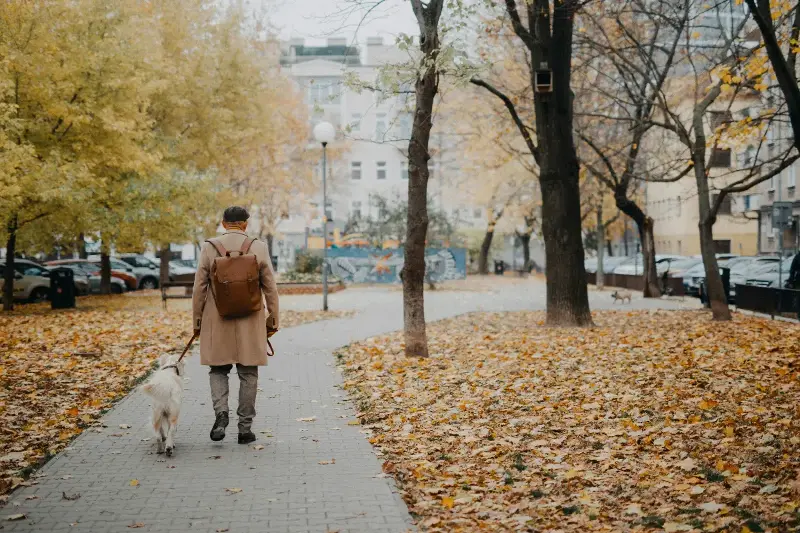
Remarkably, even small touches of greenery work mental magic. A single bench under a shady tree, a flowerbed carved into a sidewalk, or climbing vines on a brick wall create vital mini-oases. Wild, edible gardens in unexpected niches can even encourage interaction between strangers, as locals stop to admire herbs together. These small delights invite pedestrians to pause, look closer, and savor the city.
MIXING PEOPLE, PLACES, AND PURPOSES
Vibrant streets rarely serve a single purpose. Instead, they champion mixed-use development—weaving homes, workplaces, shops, and eateries right next to each other. This blend fuels city life by ensuring there are always people around at all times of day. Urban thinkers emphasize that "eyes on the street" are exactly what make neighborhoods feel safe and alive.
Street markets, outdoor music, and impromptu seating add texture to this mix, encouraging people to slow down and linger. Cities worldwide prioritize "pop-up" public spaces where temporary installations, food trucks, or interactive art turn an ordinary corner into a gathering spot. These moments feel spontaneous, playful, and democratic.
THE JOY OF WALKABLE CONNECTIVITY
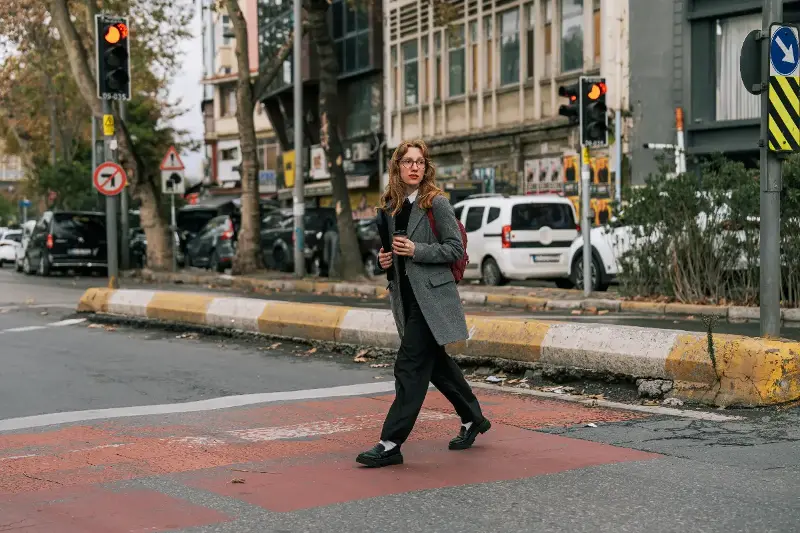
Nothing dampens urban energy faster than an obstacle course of dead-end streets. Cities that feel alive prioritize connectivity through short blocks, regular intersections, and continuous sidewalks. When pedestrians can easily meander from a bakery to a bookstore to a neighborhood playground, the city feels accessible and endlessly explorable.
Lively cities also excel at wayfinding—using clear sightlines, architectural landmarks, and signage to guide people naturally:
- Visual Anchors: A historic clocktower, a vibrant wall mural, or an interesting sculpture can orient you more powerfully than a standard street sign.
- Deliberate Curves: Master planners often design pedestrian routes with gentle curves, making the journey feel more like a pleasant discovery than a rigid march from point A to point B.
WELCOMING EDGES AND PLACES TO PAUSE
All too often, modern urban planning overlooks the simple pleasures of rest. Benches, ledges, steps, and low walls all offer precious places to perch. What is more, when these spots are located at the "edges" of sidewalks—near shop windows, planters, or under protective awnings—people naturally stop and strike up conversations. Famous public squares are full of these casual perches, acting as hot spots for both community connection and people-watching.
Lighting also matters more than you might think. Warm, inviting lights extending over doorways, alleyways, and pedestrian crossings send a clear signal that the street is cared for and secure. Subtle illumination highlights historic details, trees, and public artwork, making the evening hours feel enchanting and accessible.