


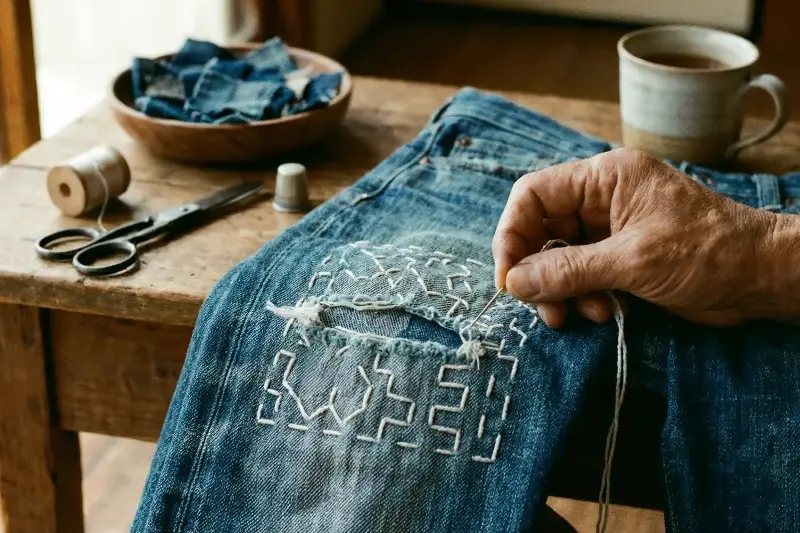
There is an undeniable thrill in unwrapping something brand new—the sleek lines of a smartphone or the crisp fold of fresh denim. Yet, a slower, more profound satisfaction is returning to our lives: the joy of mending. Whether it is darning a favorite pair of socks or gluing the handle back onto a beloved mug, the act of repair is experiencing a global renaissance.
But why are people reaching for needle, thread, and toolboxes rather than simply clicking “add to cart”? The answer lies in a seamless blend of personal satisfaction, sustainability, and creative expression.
THE RISE OF THE REPAIR REVOLUTION
As consumer culture encourages perpetual upgrades, planned obsolescence often dictates the lifespan of our daily products. However, growing concerns for the environment are fueling a fresh appreciation for making things last.
- Repair Cafés: Local communities are gathering to share tools and expertise, fixing everything from toasters to teddy bears.
- Digital Tutorials: Social media is abuzz with DIY guides, making complex home repairs accessible to everyone.
- Legislative Shifts: The international “Right to Repair” movement is gaining ground. In France, electronics must now display a repairability score, nudging manufacturers toward more durable designs.
According to a survey, nearly 60% of Europeans expressed a desire to fix their goods rather than toss them, provided they had the necessary resources.
WHY MENDING FEELS SO GOOD
Beyond financial incentives, mending taps into the human need for mastery and focus. Psychologists often cite the concept of “flow”—that all-consuming sense of focus achieved when working with your hands. Fixing a broken object is like solving a tangible puzzle; the reward is instant.
There is also a poetic side to repair, rooted in philosophies like the Japanese Kintsugi. This art form involves mending broken pottery with gold lacquer, teaching us to:
- Honor history: Viewing an object's past as a source of beauty.
- Embrace imperfection: Seeing a visible stitch as a badge of cherished use.
- Build resilience: Restoring order to your own world rather than feeling at the mercy of things falling apart.

SUSTAINABILITY STARTS AT HOME
The environmental case for mending is undeniable. The fashion industry alone accounts for up to 10% of global carbon emissions. If every person in the UK kept their clothing in use for just an extra nine months, the carbon, water, and waste footprints for those items would drop by 20–30%.
Repairing electronics has an even greater impact. E-waste is currently one of the fastest-growing waste streams on the planet. By opting to repair a phone instead of replacing it, you spare the planet from the pollution generated by resource extraction and high-intensity manufacturing.
A HOBBY WITH RICH REWARDS
Mending is as creative as it is practical. Visible mending—using embroidered stitches and colorful patches—has turned repair into a celebrated form of wearable art. For those less inclined toward the needle, home DIY tasks like fixing a dripping faucet or re-gluing a wobbly chair provide a similar sense of resourcefulness.
Perhaps most importantly, mending invites us to slow down. It is a meditative act that connects us to crafts that have sustained communities for generations, encouraging us to value quality over quantity.
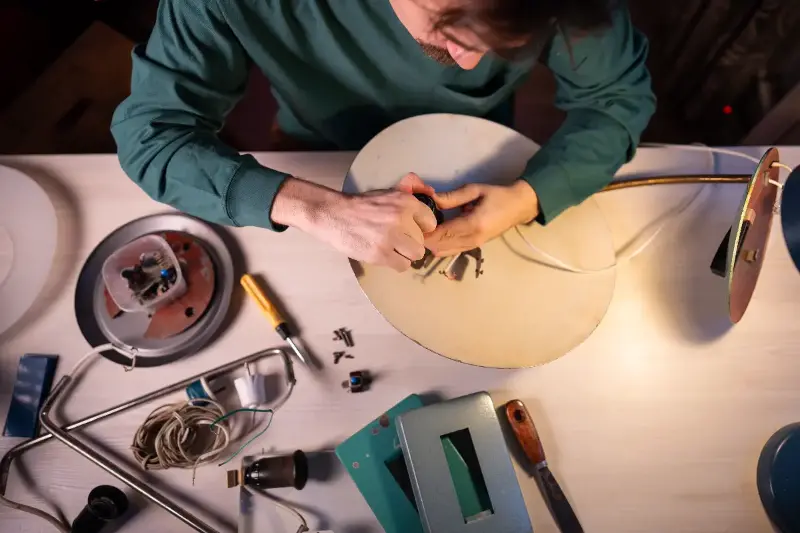
REPAIRING TOGETHER BUILDS COMMUNITY
Mending is rarely a solo endeavor. Communal tool libraries and repair events bring people of all ages together. Sharing a tip or teaching someone how to sew a button does more than save an item from a landfill—it fosters friendships and empowers neighborhoods.
There is something deeply hopeful about fixing what we have. It reminds us that care and patience still matter. In a world that idolizes speed, embracing the quiet joy of mending reconnects us to ourselves, each other, and the planet we call home.