


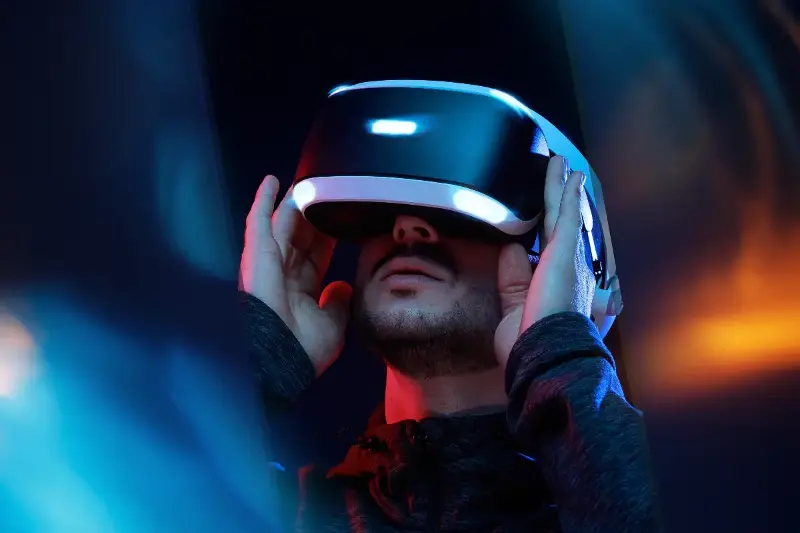
From fantasy realms to real-world classrooms and creative studios, virtual reality (VR) is no longer confined to the world of video games. It has emerged as a transformative tool with the power to reshape how we learn, collaborate, and express our creativity. Once a concept found only in science fiction, this technology now sits comfortably in schools and creative spaces, pushing the boundaries of what is possible for individuals and communities alike.
REIMAGINING CLASSROOMS AROUND THE GLOBE
Forget traditional chalkboards and static textbooks; VR is turning education into an unforgettable adventure.
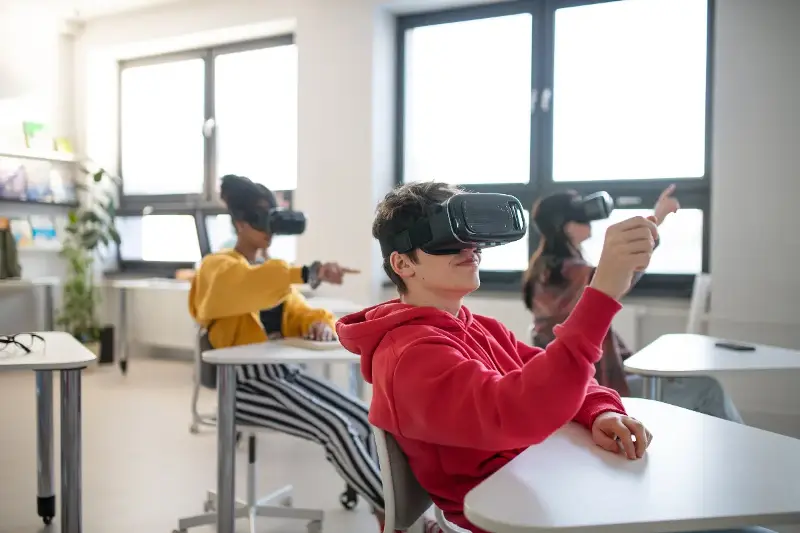
- Immersive Learning: Students can step inside a biological cell to observe DNA replication or walk through the ruins of ancient civilizations without leaving their desks.
- Proven Results: Research from Stanford University indicates that virtual field trips can increase student retention rates by up to 35% compared to traditional teaching methods.
- Inclusive Environments: VR allows for customizable settings, helping students with different learning styles or sensory needs to focus, build confidence, and engage more deeply with complex material.
ENHANCING CREATIVITY IN THE EVERYDAY
VR is empowering people to reconnect with their creative instincts by removing traditional barriers to entry.
- Three-Dimensional Art: Through platforms like Tilt Brush, artists can paint in 3D, walk around their canvases, and mold light and color as if they were physical materials.
- Democratization of Tools: Expensive equipment is no longer a requirement for artistic growth. With just a headset, anyone can access premium 3D modeling and digital art tools.
- Professional Innovation: Architects, designers, and musicians now use VR to brainstorm, visualize, and refine their ideas in real time, often with collaborators located halfway across the world.
BRIDGING DISTANCES AND FOSTERING CONNECTION
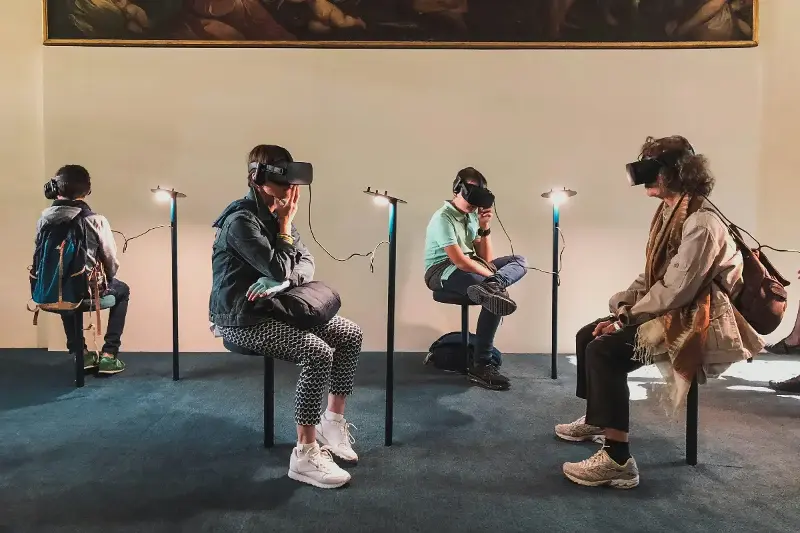
Social VR applications have made it possible to collaborate and create together, regardless of geographic limitations.
- Simulated Collaboration: Multinational teams are using VR to hold creative meetings and training modules that simulate real-world scenarios, providing a sense of presence that traditional video calls cannot achieve.
- Global Networks: Through platforms designed for interaction, budding marine biologists can "dive" in coral reefs, and theater students can stage collaborative productions with classmates on different continents, building networks that transcend physical borders.
MAKING LEARNING AND CREATION MORE INCLUSIVE
As hardware becomes more affordable, organizations are ensuring that VR is not a luxury reserved for a select few.
- Accessibility First: VR allows individuals with mobility constraints or physical disabilities to participate fully in activities, classes, and artistic projects that were previously inaccessible.
- Customized Interfaces: Features such as text-to-speech and adaptive controls ensure that the technology caters to a wide variety of learning needs, effectively narrowing the accessibility gap.
EVERYDAY LIFE: THE FUTURE IS NOW
The impact of VR is extending into our daily routines, blending convenience with creative expression. From virtual cooking lessons in simulated kitchens to immersive mindfulness experiences that reduce stress, the technology is finding a home in our personal lives.
As developers work toward lighter, more intuitive hardware, VR is poised to become as ubiquitous as the smartphone. This technology is not just about play; it is about enhancing the human experience. Whether you are a student, an artist, or simply curious, the world of VR invites you to step inside and explore a future where our potential for learning and creation is truly limitless.