



Street food is one of the quickest ways to understand a destination's heart and culture. A paper cone of hot roasted chestnuts in Istanbul, a comforting bowl of pho beside a bustling street in Hanoi, tacos sliced straight from a rotating trompo in Mexico City, or spicy chaat in Mumbai can reveal far more about local traditions than any guidebook. These iconic dishes are typically affordable, seasonal, and deeply rooted in family recipes passed down through generations.
The pleasure of dining at a vibrant market stall often comes with a practical question: how safe is it? Street vendors frequently work in compact spaces, sometimes without immediate access to running water or refrigeration. Yet hygiene and authentic flavor do not have to be opposites. Around the world, vendors are successfully elevating food safety standards while preserving the rich, memorable tastes that draw long lines of hungry locals.
Why Street Food Matters
Street food supports millions of small business owners globally, particularly women, migrants, and family-run enterprises. It offers travelers access to authentic culinary heritage at accessible prices while safeguarding traditional recipes that might otherwise vanish from modern restaurant menus.
Many globally renowned dishes originated as humble street meals:
- Singapore's Hawker Culture: Evolved from mobile vendors to earn a spot on the UNESCO Intangible Cultural Heritage list.
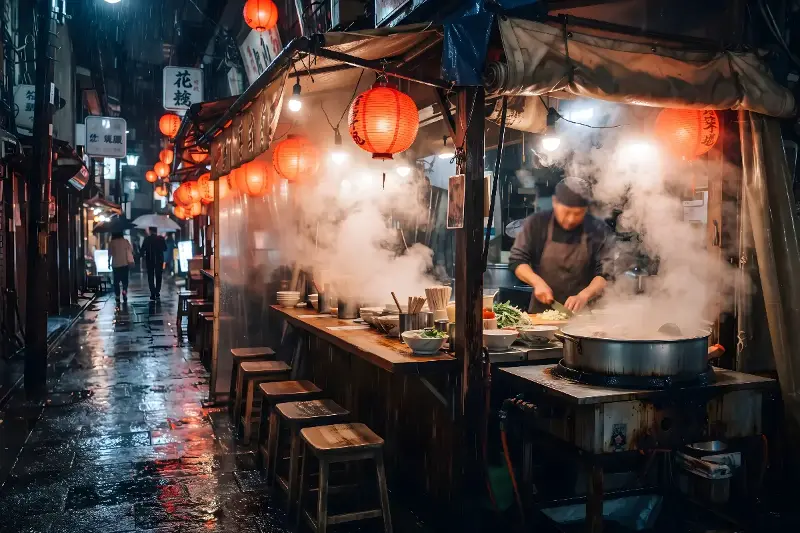
- Japan's Yatai Stalls: Famous for late-night ramen, freshly grilled skewers, and festive gathering spaces.
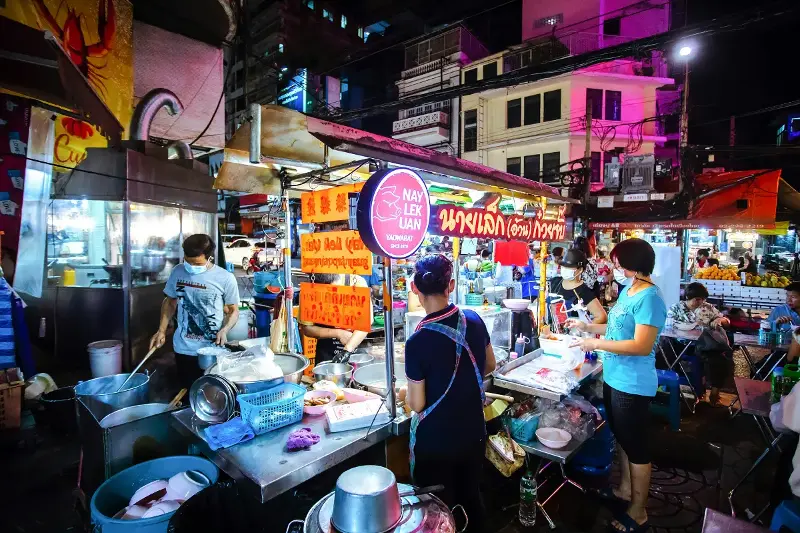
- Thailand's Open Stalls: Known for transforming simple ingredients like green papaya, lime, and chilies into zesty som tam at remarkable speeds.
The best stalls share one crucial advantage: high turnover. A vendor cooking continuously for a steady stream of customers serves food that is noticeably hotter and fresher than dishes sitting in a quiet buffet. A thriving crowd is often the clearest sign that locals trust the quality and that ingredients move rapidly.
Where Food Safety Risks Begin
Foodborne illness can happen anywhere, from home kitchens to high-end establishments. However, street food faces unique environmental challenges because preparation, cooking, serving, and payment frequently occur within the same small space.
Key areas to keep in mind include:
- Temperature Controls: Bacteria multiply rapidly in the danger zone. Cooked foods should ideally stay hot at 60°C or above, while chilled items require storage at 5°C or below.
- Cross-Contamination: Using the same surfaces or utensils for raw ingredients and ready-to-eat garnishes without thorough washing introduces avoidable risks.
- Unsafe Water Sources: Unfiltered water used for washing leafy herbs, making ice cubes, or rinsing serving dishes can carry unseen microorganisms.
How to Choose a Safer Stall
Travelers do not need to pass up street food to stay healthy. Paying close attention to how a stall operates makes a world of difference:
- Watch the Cooking Process: Prioritize dishes prepared right in front of you and served piping hot.
- Evaluate Utensil Handling: Look for vendors who use dedicated tongs for raw and cooked items. Clean hands, separate tools, and covered containers matter far more than gloves alone if those gloves also handle currency.
- Inspect the Workstation: Notice whether ingredients and sauces are protected from dust and insects. Single-use serving materials or dishes washed in clean running water are positive indicators.
- Peel Your Own Produce: Opt for fresh fruits you can peel yourself, such as bananas, oranges, and mangoes, when exploring areas with uncertain water supplies.
The Vendor's Balancing Act
For small vendors operating on tight margins, implementing safety upgrades can present financial hurdles. Equipment like insulated containers, clean water supplies, and refrigeration requires investment.
Municipalities can support these small businesses by creating designated vending zones equipped with clean water access, proper drainage, and regular food safety training rather than removing vendors from popular avenues.
Training works best when it honors local traditions:
- Practical Tools: Providing separate trays for raw and cooked skewers.
- Simple Guidelines: Adopting core principles such as separating raw and cooked items, cooking thoroughly, keeping food at safe temperatures, and using clean water.
Applying these straightforward steps transforms a vendor's safety record without sacrificing an ounce of flavor. By choosing busy, clean stalls that prioritize smart practices, travelers can enjoy incredible global flavors with total confidence.