


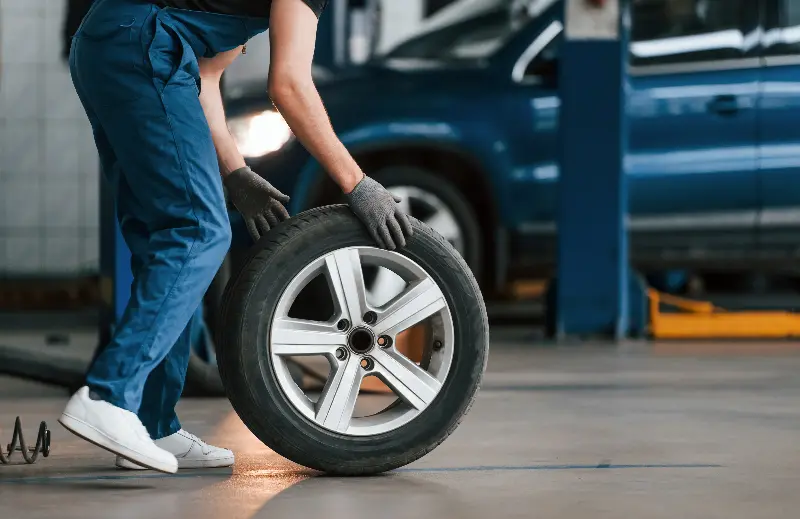
Whether you drive a zippy hatchback through busy city streets or cruise down highways in an SUV, your car’s tires bear the brunt of every journey. Yet, these crucial pieces of rubber are often overlooked until a warning light flashes or a flat occurs.
Giving your tires consistent attention isn’t just about avoiding roadside headaches—it is a strategic move to save money, improve safety, and boost performance. By mastering a few maintenance secrets, you can add thousands of extra miles to your tires’ lifespan.
WHY TIRE WEAR IS YOUR WALLET'S ENEMY
Tire wear is more than a cosmetic issue. When treads wear down unevenly or prematurely, the impact is felt in your steering and your bank account.
- Reduced Grip: Worn tires struggle to find traction in wet or slippery conditions, significantly increasing accident risks.
- Poor Handling: Your car becomes less responsive to steering inputs.
- Fuel Inefficiency: Incorrectly worn tires create more rolling resistance, forcing your engine to work harder and consume more fuel.
Most drivers cut their tires' lives short through simple neglect. However, with regular checks, you can ensure your rubber stays in prime condition for much longer than the manufacturer's "average."
TIRE PRESSURE: THE FOUNDATION OF HEALTH
Maintaining the correct air pressure is the single most effective way to prevent tire failure. Both underinflation and overinflation act as "silent killers" for your tread:
- Underinflation: Causes the sidewalls to flex excessively, leading to overheating and rapid wear along the outer edges.
- Overinflation: Makes the tire stiff and rounded, causing it to lose full contact with the road and wear out prematurely in the center.
Pro Tips for Pressure:
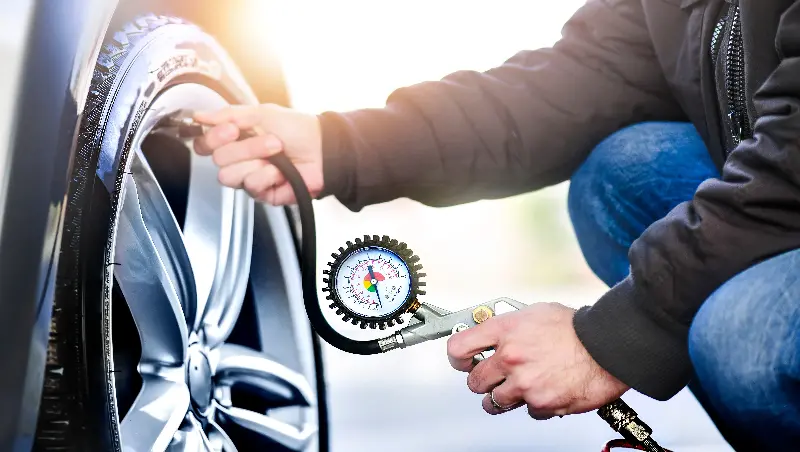
- Check Monthly: Don't wait for your dashboard light; use a quality manual gauge.
- Think Cold: Always check pressure when tires are "cold" (driven less than 1.6 km), as heat from driving increases the PSI reading.
- Find the Right Number: Ignore the "Max PSI" on the tire sidewall. Instead, look at the placard inside the driver’s door or your owner’s manual.
REGULAR ROTATIONS: EVENING THE PLAYFIELD
Even with perfect pressure, tires wear at different rates due to weight distribution and engine placement. Front tires on a front-wheel-drive car, for instance, handle the bulk of steering and braking forces.
- The Rule of Thumb: Rotate your tires every 8,000 to 12,000 kilometers (5,000 to 7,500 miles).
- The Benefit: Moving tires to different positions (front-to-back or diagonal) ensures the tread wears down at the same rate, preventing you from having to replace just two tires at a time.
ALIGNMENT AND BALANCING: THE PRECISION DUO
If your car "pulls" to one side or your steering wheel feels off-center, your alignment is likely compromised. When wheels are misaligned, they drag at odd angles, literally scrubbing the tread off the tire.
-
Annual Check-ups: Have your alignment verified at least once a year or immediately after hitting a deep pothole or curb.
Balancing, on the other hand, ensures the weight of the tire and wheel assembly is distributed evenly. Unbalanced tires cause vibrations and bouncing, which leads to "cupping" or spotty wear on the tread. If you feel a rhythmic shaking at high speeds, it’s time for a rebalance.

SMART DRIVING HABITS FOR LONGEVITY
Your behavior behind the wheel dictates how much stress your tires endure. You can significantly reduce friction and heat buildup by:
- Easing into Stops: Avoid "slamming" the brakes, which causes flat-spotting.
- Smooth Acceleration: Rapid starts "spin" the rubber against the asphalt, shaving off layers of tread.
- Avoiding Debris: Steer clear of potholes and avoid "curbing" your tires while parking, which can damage the sensitive sidewalls.
RESPECT THE LOAD RATING
Every tire has a load index printed on the sidewall, indicating the maximum weight it can safely carry. Overloading your vehicle puts immense pressure on the internal structure of the tire. This leads to excess heat buildup and can cause a sudden, dangerous blowout, especially during long summer road trips.
THE BOTTOM LINE
Tire maintenance is a small investment of time for a massive return in peace of mind. By keeping your tires properly inflated, rotated, and aligned, you transform a regular piece of maintenance into a long-term saving strategy. The next time you jump behind the wheel, remember: the secret to longer-lasting tires is simply paying a little extra attention where the rubber meets the road.