



Pets bring warmth, laughter, and lifelong companionship to our homes. Yet even the most devoted owners can inadvertently make small choices that quietly impact an animal’s health. Many everyday risks do not stem from neglect, but rather from seemingly harmless habits—such as sharing a table treat, skipping a routine dental check, or placing an attractive houseplant nearby.
Understanding these common pitfalls helps ensure our dogs, cats, and other companion animals live longer, safer, and happier lives.
Sharing Human Food Too Freely
Offering a bite from the dinner table may feel like an expression of love, but several everyday foods are genuinely unsafe for pets:
- Chocolate: Contains theobromine, which can trigger restlessness, elevated heart rates, and severe illness in dogs.
- Grapes & Raisins: Known to cause sudden kidney complications in canine companions.
- Onions, Garlic & Seasonings: Can damage red blood cells in both cats and dogs over time.
- Xylitol: A sweetener found in sugar-free gum, peanut butter, and baked goods that can cause a rapid, dangerous drop in blood sugar.
Even non-toxic human foods—like cheese or fatty meats—add excess calories and sodium. As a golden rule, treats should make up no more than 10 percent of daily calories, with the remainder coming from a complete, age-appropriate pet food.
Assuming Indoor Pets Do Not Need Parasite Protection
Indoor pets enjoy a sheltered lifestyle, but they are not entirely insulated from fleas, ticks, or mosquitoes:
- Fleas & Ticks: Easily hitch rides indoors on shoes, clothing, or visiting pets.
- Heartworm Risks: Transmitted by indoor mosquitoes, heartworms can silently damage a pet's heart and respiratory system over time.
- Species Safety: Never use dog parasite treatments on cats. Certain canine products contain compounds that are highly unsafe for feline companions.
Consult a veterinarian to design a safe, year-round preventive care routine tailored to your local environment.

Waiting for Visible Dental Problems
Persistent bad breath is often dismissed as a normal pet trait, but it is frequently an early sign of dental care needs. Plaque hardens into tartar over time, irritating the gums and affecting the tissue beneath the gumline:
- Routine Brushing: Use specialized, pet-safe toothpaste. Avoid human toothpaste, which contains ingredients that are unsafe for pets to swallow.
- Supportive Care: Dental chews and water additives offer helpful support, but they do not replace regular professional checks.
- Early Action: Caring for your pet’s teeth early protects their overall comfort and vital organs.
Overlooking Sudden Changes in Behavior
Because pets cannot speak, their behavior serves as their primary communication tool. Subtle shifts often provide valuable health clues:
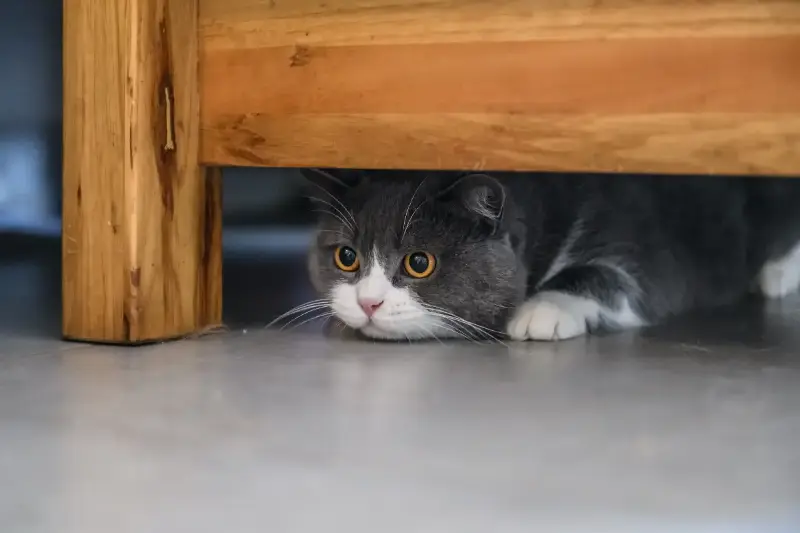
- Cats: Hiding more often, avoiding favorite perches, or changing litter box habits.
- Dogs: Showing sudden reluctance to walk, reduced interest in play, or unusual irritability.
- Key Indicators: Changes in drinking habits, appetite shifts, or sudden lethargy.
Keeping a light record of your pet’s daily appetite, weight, and activity makes subtle trends easier to spot before they become major concerns.
Using Household Products Without Checking Labels
A fresh, clean home should also be a safe environment for pets. Always store household cleaners securely and keep these sensitivities in mind:
- Essential Oils & Air Fresheners: Cats are particularly sensitive to certain concentrated oils because of how their livers process natural compounds.
- True Lilies: High alert for cat households! Even small amounts of pollen, leaves, or vase water from true lilies can lead to severe kidney distress in felines.
- Safe Storage: Keep cleaning supplies in closed cabinets and secure all household trash bins.
Letting Weight Gain Become Normal
A little extra softness might look cute, but maintaining a healthy weight supports your pet’s joints, mobility, heart, and energy levels:
- Measured Portions: Measure meals accurately with a proper measuring cup rather than guessing.
- Active Engagement: Incorporate puzzle feeders, scent games, short training sessions, and daily interactive play.
- Gradual Progress: Work alongside your vet to establish a safe, gradual calorie plan tailored to your pet's body condition.

Skipping Routine Veterinary Visits
Pets age much faster than humans, making an annual wellness exam vital to long-term health. Preventive check-ups allow veterinarians to:
- Monitor weight, joint comfort, heart health, and dental condition.
- Identify subtle health changes early when solutions are most effective.
- Provide tailored advice for your pet's specific life stage.
Great pet care is not about perfection—it is about noticing, learning, and making thoughtful protective choices every day. By avoiding these common missteps, you transform affection into a vibrant, healthy life for your animal companions.