


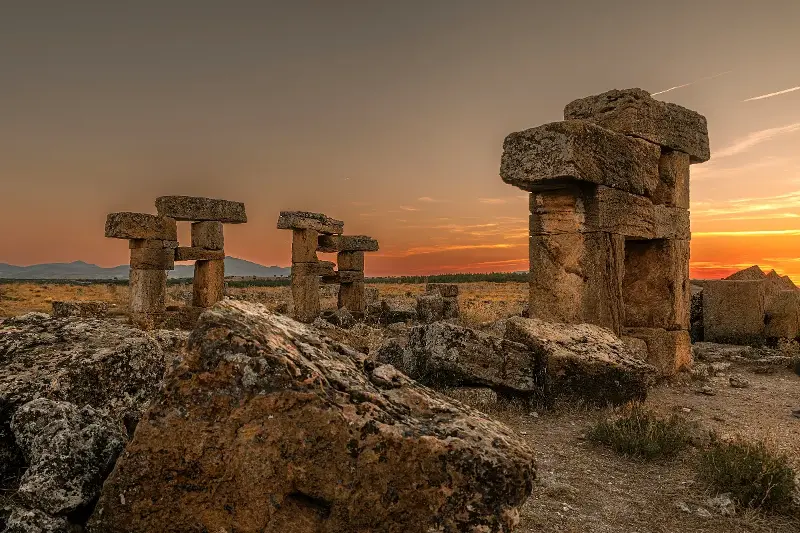
From crumbling temples in Cambodia to ancient cave paintings in Spain and silent ruins in the heart of South America, humanity’s story unfolds across continents and millennia. Our cultural heritage—wondrous, fragile, and deeply meaningful—connects us to our ancestors and to each other. As the world rapidly changes, protecting ancient cultural heritage is not just a duty to the past; it is a gift for the future.
UNDERSTANDING THE VALUE OF CULTURAL HERITAGE
Cultural heritage encompasses a vast spectrum of human achievement. It manifests in various forms:
- Tangible Treasures: Monuments, manuscripts, historical artifacts, and iconic architecture like the Great Wall of China.
- Intangible Wisdom: Languages, music, folk rituals, and traditional culinary arts passed down through generations.
These relics are more than just beautiful objects; they are the physical and spiritual fingerprints of those who came before us. By studying archaeological remains, we gain invaluable clues about how our ancestors lived, what they believed, and the challenges they successfully overcame. These traditions continue to shape our modern identities and moral philosophies.
WHY HERITAGE NEEDS PROTECTION TODAY
Our ancient sites and traditions are currently more vulnerable than ever. A confluence of modern challenges threatens their survival:
- Environmental Factors: Climate change is a significant threat. Rising sea levels, extreme flooding, and wildfires can erode or destroy irreplaceable monuments that have stood for centuries.
- Urbanization: In the rush to develop new infrastructure, ancient artifacts are often neglected. Urban sprawl sometimes threatens to pave over sacred burial grounds or historic architecture.
- Cultural Preservation: As global trends dominate, there is a risk that traditional ways of life may be overshadowed. Protecting these treasures is essential to maintaining the rich diversity of the human experience.
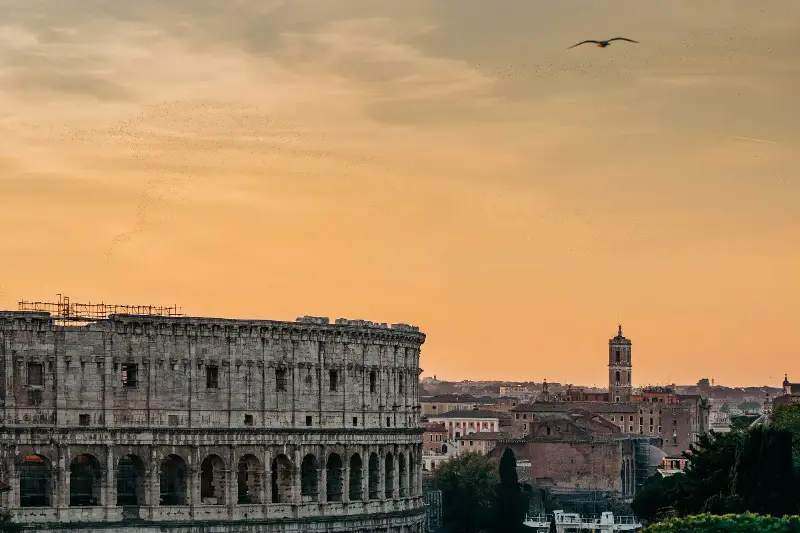
HERITAGE AS A BRIDGE BETWEEN PAST AND FUTURE
Preserving cultural heritage is not merely about maintaining the past; it is about keeping the human story alive and relevant. Protecting these sites supports education, inspires modern creativity, and strengthens community bonds.
Furthermore, many modern challenges can find guidance in ancient practices. For example, indigenous building techniques that utilize local, natural materials offer incredible eco-friendly solutions for contemporary sustainable architecture. Ancient water management systems also provide blueprints for tackling modern water scarcity. By looking back, we often find the answers to our future.
THE ROLE OF COMMUNITIES IN PRESERVATION
Local communities are the beating heart of any successful preservation effort. When people feel a direct connection to their history, they become the most effective guardians of that culture.
- Passing the Torch: Elders and community leaders play a crucial role in passing on intangible heritage, such as storytelling, weaving, and ancestral cooking.
- Youth Engagement: Involving younger generations is essential, as they will eventually inherit the stewardship of these treasures.
- Participation: Programs like community-led archaeological workshops or language revitalization projects foster a deep, lifelong connection to cultural roots.
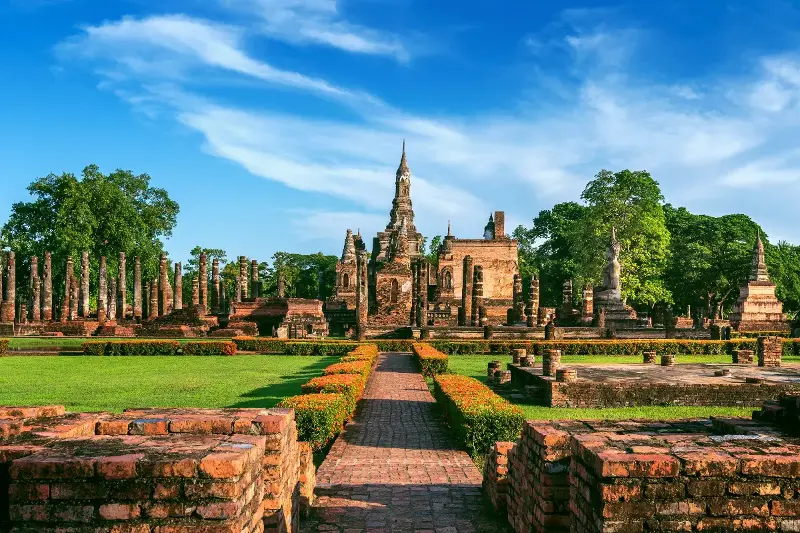
NEW TECHNOLOGIES, NEW OPPORTUNITIES
The digital age provides unprecedented tools to monitor, protect, and share our collective history:
- Precision Discovery: Drones and satellite imaging allow researchers to discover hidden sites and monitor damage without disturbing the natural landscape.
- Digital Eternity: Through 3D scanning and virtual reality, we can preserve the essence of a monument digitally, ensuring that even if physical damage occurs, the structure can be studied and admired by future generations.
- Global Awareness: Social media allows the world to rally behind preservation efforts, raising funds and consciousness for landmarks under threat.
A SHARED RESPONSIBILITY FOR THE FUTURE
Protecting ancient cultural heritage is a responsibility that transcends borders and generations. It reminds us that while we may speak different languages and celebrate unique holidays, the desire to remember and be remembered unites us all. When we work together to safeguard our roots, we ensure that the beauty, wisdom, and spirit of humanity continue to inspire for centuries to come. Every action—from visiting a local museum to supporting restoration efforts—helps keep the world’s story alive.