


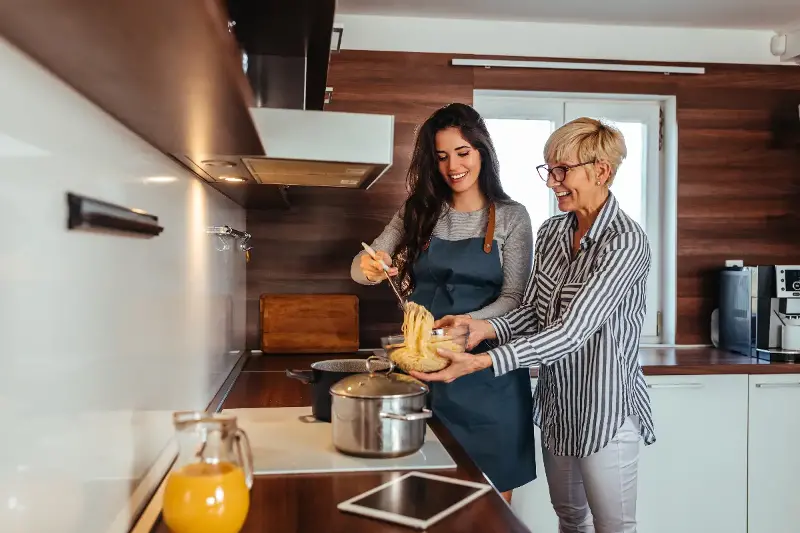
Whether you grew up in a bustling city or a quiet village, there’s a universal experience that connects us all: the comfort and nostalgia of mom’s home cooking. No matter how far we roam—whether to a new city for college, across the ocean for a career, or even just to a new neighborhood—the taste, aroma, and memory of meals made by our mothers seem to linger in a corner of our hearts.
The question remains: why do we always miss these flavors long after we leave the nest? The answer lies at the crossroads of biology, emotion, and cultural identity.
THE SCIENCE BEHIND CULINARY NOSTALGIA
When we think of home-cooked food, it’s more than just recalling a favorite dish. Food memories are uniquely powerful because our senses of smell and taste are directly connected to the brain’s limbic system. Specifically, the hippocampus and amygdala—areas responsible for emotion and long-term memory—are triggered by familiar scents.
Biologically, these connections are profound:
- Imprinted Preferences: Our taste preferences develop alongside the meals served by our primary caregivers.
- Proustian Memory: This term describes how a single bite can evoke vivid, emotionally charged recollections of the past.
- Sense of Safety: The familiar scents of a home kitchen become deeply imprinted, cementing a psychological sense of belonging.
RITUAL AND ROUTINE: MORE THAN JUST A MEAL
Mom’s cooking isn’t just about what’s on the plate; it is about the rituals and routines that surround the table. These meals often mark important transitions in our day:
- Breakfast rituals before the rush of school.
- Family dinners that allow for decompression after work.
- Festive dishes prepared exclusively for celebrations and holidays.
Many cultural anthropologists note that these traditions foster a sense of identity and continuity over generations. When we leave home, what we miss isn’t just the salt or the spice, but the stability and connection these routines provided.
EMOTIONAL INGREDIENTS: LOVE, CARE, AND PATIENCE
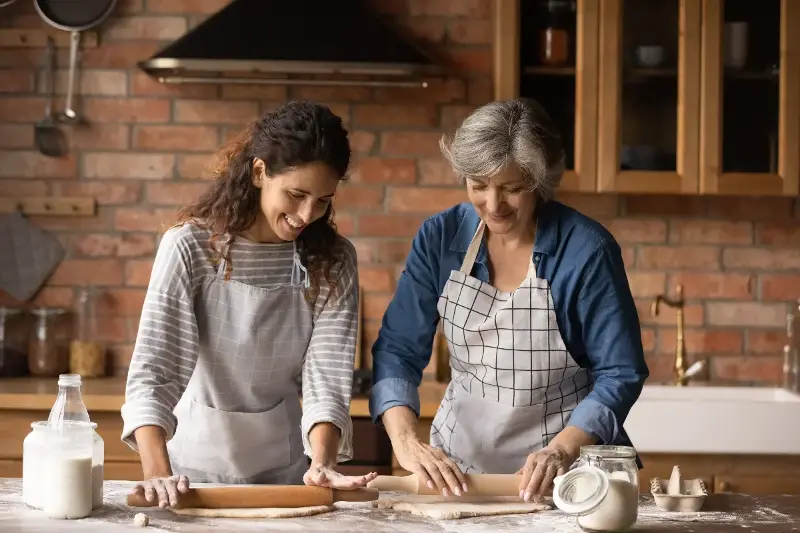
There’s an old saying: “The secret ingredient is love”. While it may sound like a cliché, psychological research suggests there is truth to it. Home-cooked meals are unique because they are often:
- Tailored to preferences: Made exactly how you like it.
- Prepared with patience: Avoiding the "rush" of commercial kitchens.
- Acts of nurturing: A physical manifestation of care and thoughtfulness.
Research shows that meals prepared with care can actually taste better because we perceive the affection and intent behind them. No restaurant, no matter how acclaimed, can replicate the feeling of being truly cared for and listened to over a shared bowl of soup.
THE FLAVORS OF IDENTITY AND CULTURE
Food is among the most direct ways we experience our heritage. The recipes handed down by mothers—often unwritten and learned by watching and tasting—carry the history and geography of a family.
Missing mom’s cooking often means missing the food that shaped our sense of self. Recreating her dishes is a vital way of preserving cultural identity, especially when living in a new country. These culinary moments form a bridge between the past and the present, keeping us connected to our roots.
THE COMFORT OF FAMILIAR TASTES IN UNFAMILIAR PLACES
Life offers endless culinary adventures, from Parisian bakeries to street food in Bangkok. While these are enriching, we usually crave home during moments of stress or homesickness. Psychologists call this affective nostalgia—a bittersweet longing for the past that acts as a psychological anchor during uncertain times.
A bowl of your mom’s signature recipe, even if recreated from memory in a tiny apartment kitchen, becomes a lifeline of familiarity in a sea of change. It is a deeply human experience, woven from the threads of memory and love. Wherever wanderlust leads us, the heart and appetite often find their way home, one cherished recipe at a time.