


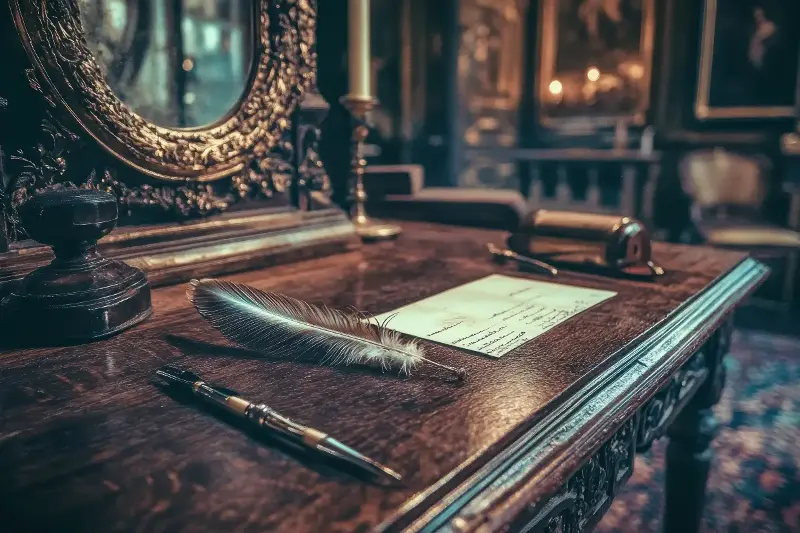
Take a glance around your home or office, and you’ll spot countless items so familiar they seem almost invisible. Yet, behind some of these objects lies an unexpected tale—of cultures changed, creative revolutions sparked, and even empires transformed. Today, we dive into the overlooked legends of three such unremarkably remarkable items: the fork, the pencil, and the compass. These tools might spend most of their lives in desk drawers or kitchen cabinets, but their history just might surprise you.
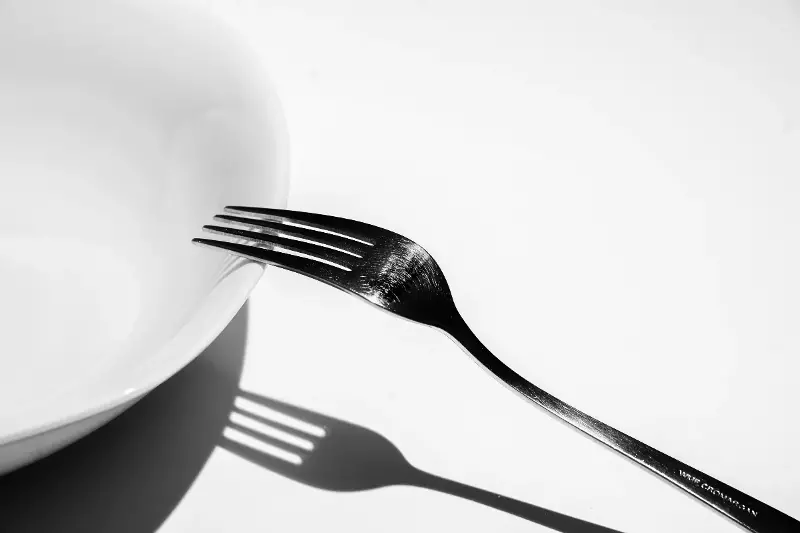
A SLICE THROUGH HISTORY: THE FORK’S LONG ROAD TO THE TABLE
Few people look at a fork and wonder about its past. However, this common utensil has a surprisingly dramatic history marked by suspicion, scandal, and eventual triumph. The origins of the fork are as tangled as spaghetti:
- Ancient Beginnings: While ancient Greeks used two-pronged instruments for serving, the idea of eating with them didn't catch on in Europe for centuries.
- The Byzantine Scandal: In the 11th century, a Byzantine princess brought gold forks to Venice. The Church was appalled, declaring it "excessively decadent" and even sinful.
- The "Natural Fork" Argument: Critics argued that God provided humans with "natural forks"—their fingers—and using metal was an insult to divine design.
It took several hundred years and a few brave aristocrats to normalize the utensil. Catherine de’ Medici famously brought her collection to France in the 16th century, turning the fork into a status symbol of sophistication. By the 18th century, it was finally embraced across the West. The fork didn't just change etiquette; it helped spark the rise of elaborate multi-course meals, adding a new layer of creativity to global cuisine.
GRAPHITE AND GREAT IDEAS: HOW THE PENCIL WROTE HISTORY
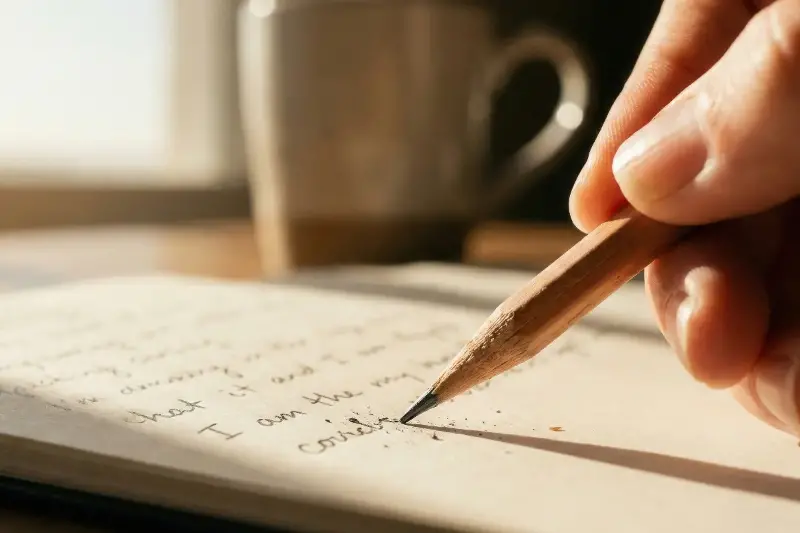
We often associate the greatest inventions with grand machines, but world-changing ideas frequently begin with one small stick. The birth of the modern pencil dates back to a fortuitous storm in 16th-century England.
In the village of Borrowdale, a massive tree was uprooted, revealing a strange black substance beneath its roots: graphite. Unlike ink, graphite was erasable and portable, making it instantly revolutionary for:
- Artists and Chemists: Who marveled at the dark, precise marks it left on wood and paper.
- Soldiers and Scholars: Who needed a reliable tool that wouldn't leak or dry up in the field.
A common misconception persists today: pencil "lead" is not lead at all. It is a mixture of graphite and clay. Some of humanity’s most significant works—da Vinci’s sketches, Beethoven’s musical notations, and pioneer letters—were first captured with this humble tool. Even in the digital age, the yellow #2 pencil remains a tiny baton passed down through centuries of dreamers.
THE COMPASS: NAVIGATING MORE THAN JUST MAPS
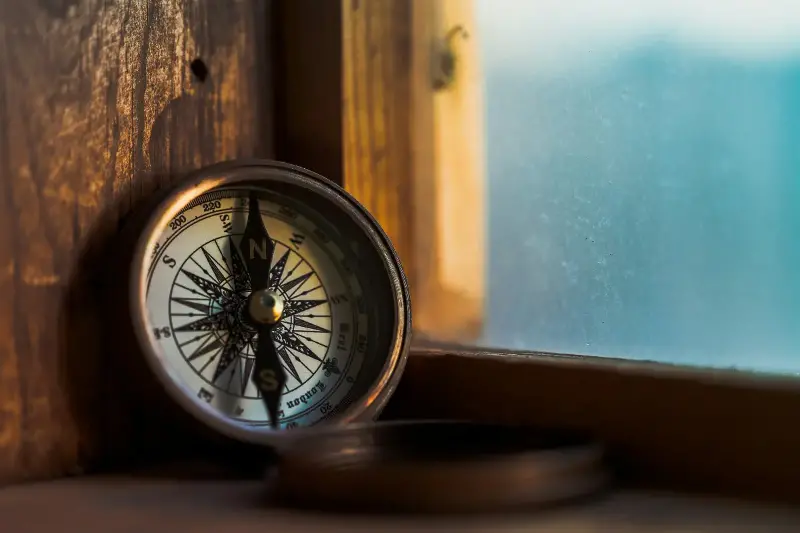
Picture a world without the compass. Travel and trade would be vastly different, and our understanding of the globe would be nonexistent. This tool, made possible by a simple magnetized needle, is one of humanity's oldest and most transformative inventions.
The story began in Ancient China around the 11th century. Originally, inventors used a spoon-shaped piece of lodestone—a naturally magnetized mineral—on a bronze plate. Interestingly, its first use wasn't for sailing, but for fortune-telling and feng shui. Once navigators realized its potential for orientation, the world changed forever:
- Global Expansion: By the 13th century, the technology reached the Islamic world and Europe.
- The Era of Discovery: It allowed explorers like Columbus and Magellan to cross open oceans without getting lost in the fog or dark.
- Cultural Exchange: It triggered mass migrations and connected distant societies for the first time.
It is remarkable that an instrument small enough to hide in your palm helped trigger the advances in science and cultural exchanges that define the modern world.
THE ORDINARY MADE EXTRAORDINARY
Every day, we handle objects without a second thought, yet each carries a secret story of invention and adaptation. From the controversial table fork to the pencil that shaped our written history and the compass that mapped the globe, these items highlight our collective creativity and curiosity. Next time you reach for a familiar tool, take a moment to consider its journey. The extraordinary is always a little closer than we think.