



Argentina is far more than the home of passionate tango and stunning natural landscapes—it is a true paradise for food lovers. The country’s rich culinary heritage beautifully reflects its diverse historical influences, blending indigenous South American traditions with the customs of European settlers. If you are looking to taste the very soul of this vibrant nation, a gastronomic adventure awaits you in every region. Each traditional bite offers a unique window into the local culture, transforming simple ingredients into unforgettable memories.
The King of the Grill: Argentine Asado
No culinary journey through Argentina would be complete without experiencing the legendary asado. This is far more than just a meal; it is a foundational pillar of Argentine social life—a gathering of friends and family that routinely stretches over several hours.
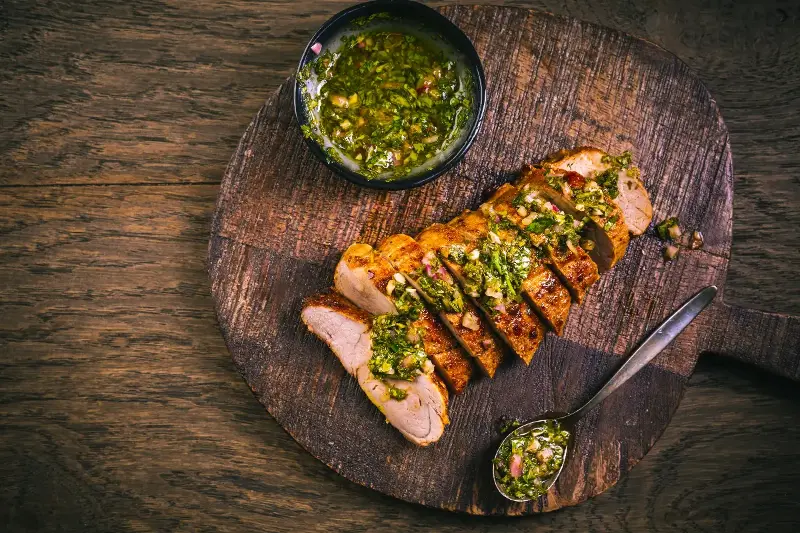
- The ritual: Asado features premium beef cuts, savory sausages, and artisan chorizo expertly grilled over a slow wood or charcoal fire.
- The secret: What truly sets this barbecue apart is the exceptional quality of the grass-fed beef from the native pampas grasslands and the minimal seasoning used.
- The finish: A simple sprinkle of coarse salt lets the natural, rich flavors take center stage. It is traditionally paired with chimichurri, a tangy, vibrant herb sauce crafted from fresh parsley, garlic, oregano, red pepper flakes, vinegar, and olive oil.
Flaky Pastry Perfection: The Universal Love for Empanadas
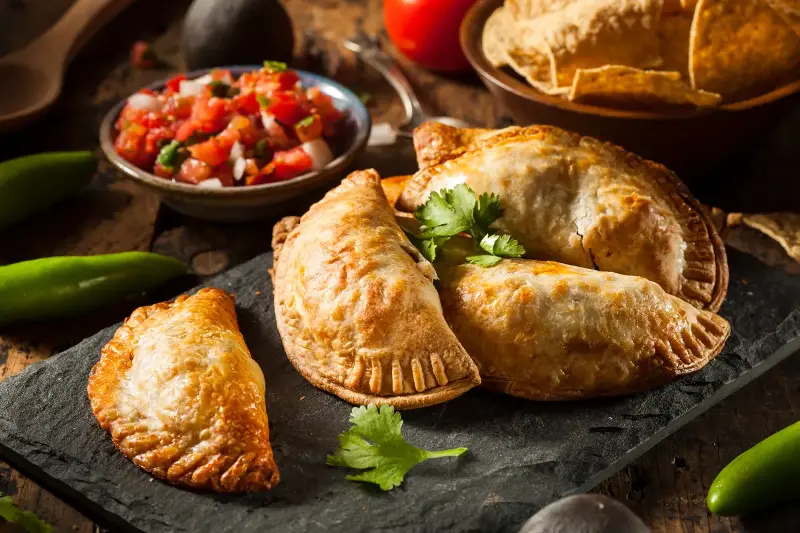
Empanadas are the ultimate epitome of Argentina's cultural fusion. These portable, golden pastry turnovers can be found on literally every city corner, from bustling neighborhood bakeries in Buenos Aires to rustic market stalls in the northern provinces.
In the scenic northwest, you will savor empanadas salteñas, which are meticulously filled with diced beef, cubed potatoes, hard-boiled egg, and local spices. Meanwhile, in the province of Tucumán, the fillings are remarkably juicy and sealed with a highly specific folding technique. Whether stuffed with gooey cheese, sweet corn, or spiced chicken, each flaky bite delivers a comforting package of rich flavor.
Warm and Melty Elegance: Provoleta
The deep inspiration brought by Italian immigrants to the Argentine kitchen is deliciously obvious in the creation of provoleta. This beloved dish takes a thick, generous slice of local provolone cheese and places it directly onto the hot grill.
The cheese is cooked skillfully until it forms a crisp, golden-brown crust on the outside while remaining completely gooey and melted within. Usually served bubbling hot off the fire, provoleta is dusted with fragrant oregano and a hint of chili flakes, then crowned with a light drizzle of extra virgin olive oil. It serves as the ultimate shared appetizer while the main course cooks.

Hearty Heritage: Northern Locro and Humita
Argentina's northern and Andean regions offer deeply nourishing comfort dishes steeped in centuries-old indigenous traditions that celebrate the local harvest.
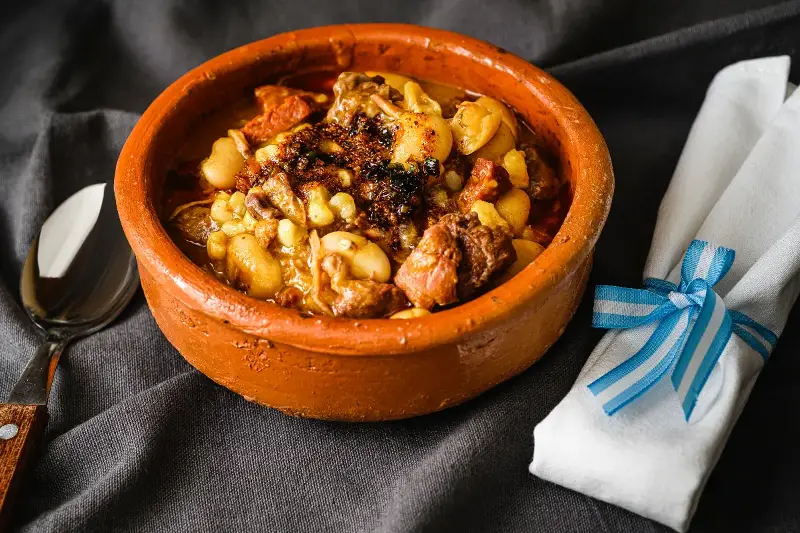
- Locro: This robust, thick national stew is traditionally served during major patriotic holidays. It is slowly simmered using white corn, lima beans, squash, and tender chunks of beef or pork, creating a warming bowl that tastes of history and community.
- Humita: A true celebration of summer, this dish consists of freshly grated sweet corn mixed with cheese, sautéed onions, and fresh basil. The mixture is carefully wrapped in natural corn husks and steamed until tender, creating a delicate, creamy treat.
Sweet Perfection: Dulce de Leche and Alfajores
Argentines possess a famous collective sweet tooth, and dulce de leche is the undisputed crown jewel of their confectionery world. This luscious, slow-cooked milk caramel paste is used to fill pastries, cakes, and morning crepes.

Most notably, it serves as the star ingredient in alfajores—Argentina's beloved sandwich cookies. These delicate, crumbly biscuits hold a thick layer of smooth dulce de leche and are either rolled in fine shredded coconut or entirely enrobed in rich dark chocolate. Paired with a warm afternoon beverage, they represent the ultimate sweet conclusion to an Argentine feast.