


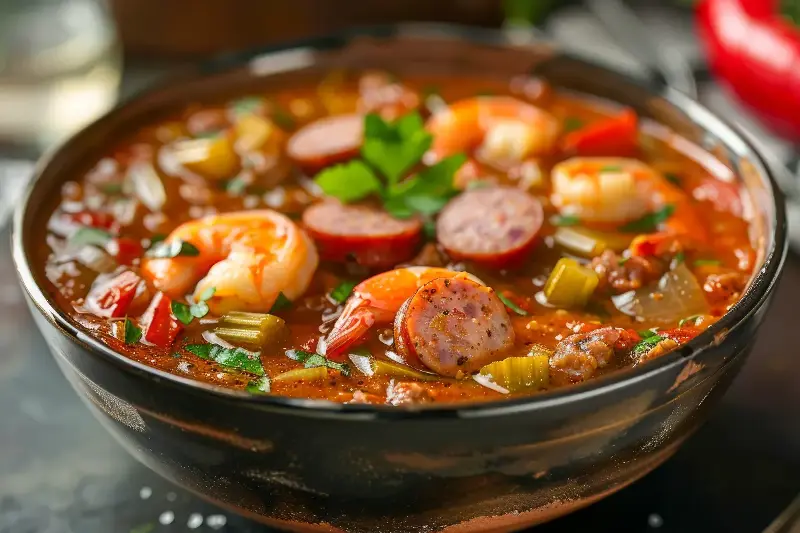
From the bustling markets of West Africa to the sun-drenched islands of the Caribbean and the historic kitchens of Louisiana, Creole cuisine tells a story that is as vibrant as its aromas. Defined by a rich fusion of African, European, Indigenous, and Asian influences, this culinary tradition is a mouthwatering tapestry woven over centuries.
Journeying through this cuisine is like turning the pages of history; each bite celebrates resilience, creativity, and community.
Roots in Africa: The Foundation of Flavor
Much of what defines Creole cuisine owes its origins to West and Central Africa. Generations of cooks brought with them not just memories, but practical knowledge—techniques for smoking and spicing foods, as well as seeds for okra, rice, and black-eyed peas.
These contributions shaped the very soul of the kitchen:
- The Silky Texture: Okra became a staple in countless stews and gumbos, providing a signature depth.
- Slow-Cooking Mastery: The art of simmering tough cuts of meat or fresh seafood is a direct reflection of African culinary heritage.
- Bold Spices: The love for piquant pepper flavors remains a cherished hallmark from the Gulf of Guinea to the Americas.
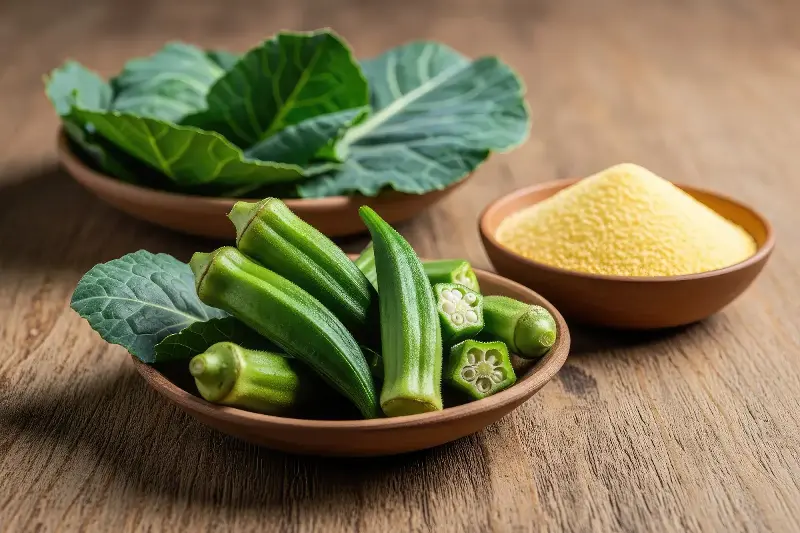
The Melting Pot: European and Asian Influences
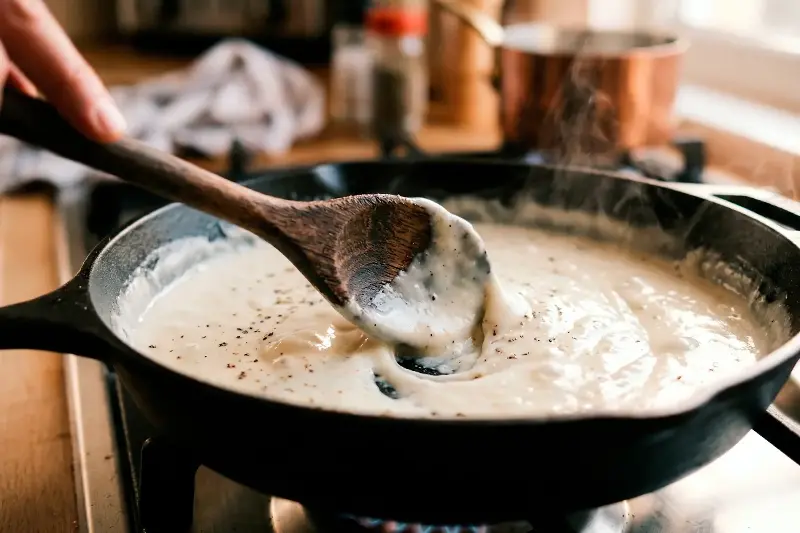
As global migration patterns shifted, new ingredients and methods were integrated into the Creole palette. European settlers brought savoir-faire—sauces, pastries, and the essential roux (a base of browned flour and butter) that gives body to thick, flavorful stews.
Later, indentured laborers added further complexity to the mix:
- Indian Techniques: The introduction of curry spices added aromatic heat to Caribbean pots.
- Chinese Traditions: Immigrants introduced stir-frying techniques and the vibrant use of fresh ginger and scallions.
- Global Fusion: Rice, initially introduced by European explorers, became the perfect partner for beans and savory proteins, forming the backbone of dishes like jambalaya.
Iconic Dishes: A Symphony of Land and Sea
Creole cuisine is best understood through its signature dishes, which serve as chapters in its expansive story.
- Gumbo: Perhaps the most revered dish, this robust stew simmers seafood, poultry, and sausage with a perfectly spiced roux.
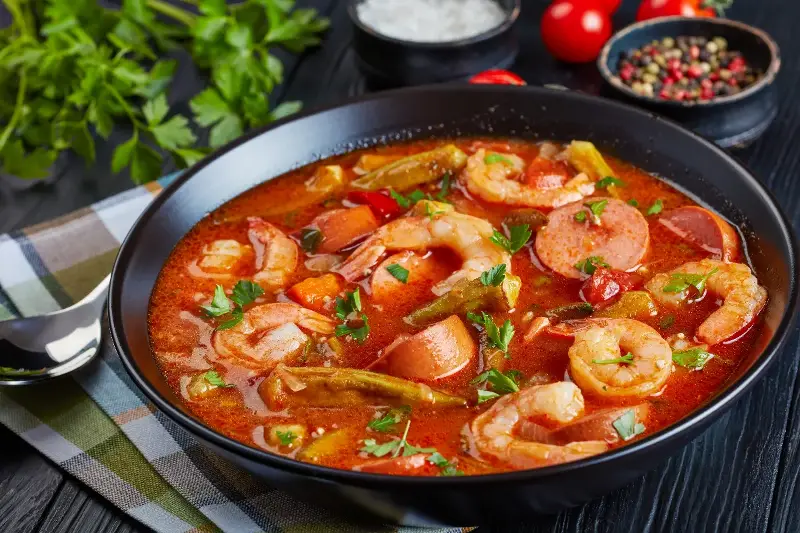
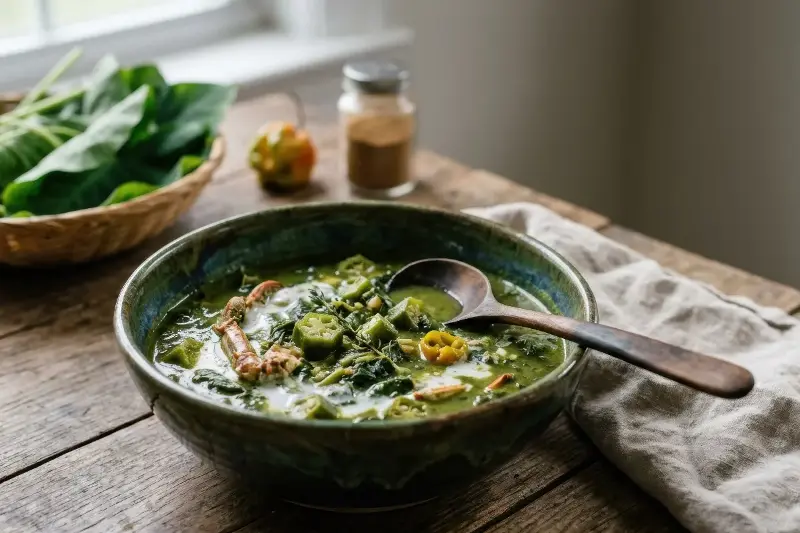
- Callaloo: A nourishing dish made from leafy greens, coconut milk, and savory proteins, reflecting both Indigenous and African roots.
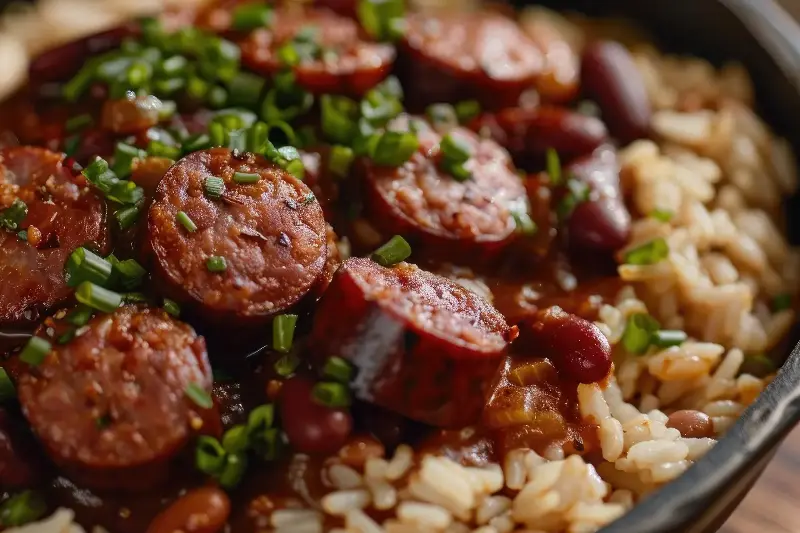
- Regional Favorites: From Louisiana’s red beans and rice to Trinidad’s doubles (curried chickpea sandwiches) and Martinique’s fragrant spice-laden stews, every region offers a unique twist.
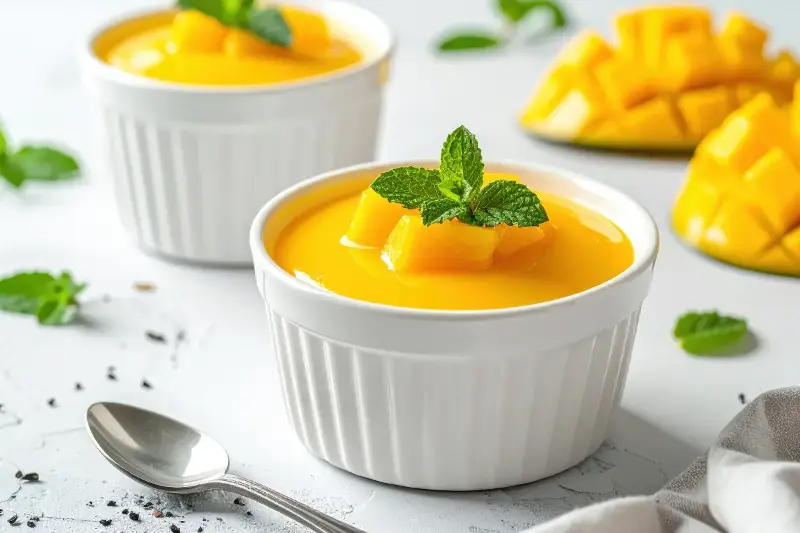
- Tropical Sweets: Dessert often features lush tropical fruits like mango, banana, and guava, transformed into delightful puddings and fritters.
The Art of Creole Cooking
What unites these diverse dishes is a resourceful, patient, and joyful approach to the kitchen. Flavor is built in patient layers—aromatics are sautéed gently, and spices are toasted until fragrant.
Creole cooks are masters of adaptive cooking:
- Flexibility: If a traditional ingredient isn't available, creative substitutions are standard, fostering a cuisine that welcomes innovation.
- Communal Spirit: The act of gathering ingredients—whether foraging wild greens or fishing at dawn—is a cherished social ritual.
- Low and Slow: Almost every dish benefits from a patient simmer, allowing flavors to meld into a harmonious whole.
The Modern Table: Where Past Meets Present
Today, Creole cuisine continues to evolve as chefs reimagine traditional recipes for a modern audience. You can now find high-quality vegan and vegetarian adaptations that focus on local produce without sacrificing the essential, hearty spirit of the original dishes.
In a globalized world, these flavors are enjoyed far beyond their places of origin. Whether in cozy bistros or vibrant food trucks, the legacy of Creole cooking remains a delicious reminder of how different cultures can blend to create something unique, enduring, and unforgettably flavorful.