


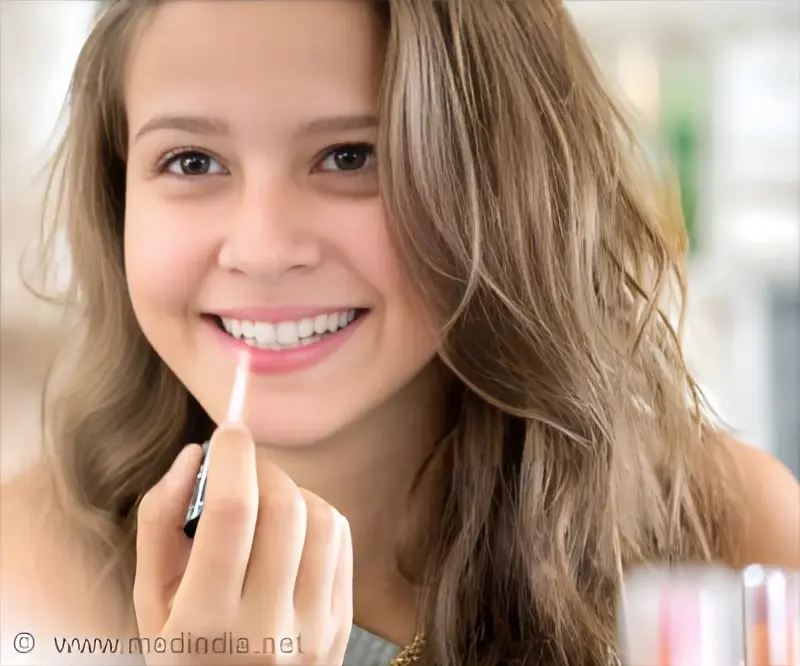
India, June 16 -- Anti-aging skincare was once marketed primarily to adults concerned about wrinkles, fine lines, and age-related skin changes. Today, however, dermatologists are seeing a surprising new trend. Teenagers are increasingly purchasing and using anti-aging products promoted by influencers and beauty content creators on social media. While skincare awareness can be positive, experts warn that some young people may be exposing their skin to unnecessary ingredients long before they are needed. The growing popularity of anti-aging products among teenagers is raising concerns among skin specialists worldwide.
Why are Teenagers Using Anti-Aging Products?
Social media platforms have transformed the beauty industry by making skincare trends accessible to younger audiences than ever before. Many teenagers regularly watch skincare routines, product reviews, and beauty recommendations shared by influencers. As a result, products originally designed for adults are increasingly finding their way into teenage skincare routines.
Experts believe that fear of future aging, pressure to achieve flawless skin, and aggressive marketing may contribute to this trend (1). Many teenagers are using products to prevent wrinkles that are unlikely to appear for decades. Social media is changing how young people think about skincare and aging.
Do Teenagers Need Anti-Aging Products?
Dermatologists generally agree that most teenagers do not need anti-ageing products designed for mature skin. Teenage skin naturally produces high levels of collagen and has strong regenerative abilities. In most cases, the focus should be on maintaining healthy skin rather than preventing wrinkles.
Experts recommend prioritizing cleansing, moisturizing, and sun protection rather than complex anti-aging routines. Healthy skincare habits are often more important than anti-aging treatments during adolescence.
Can Retinol be Harmful for Teenage Skin?
Retinol has become one of the most talked-about skincare ingredients because of its ability to improve signs of aging and acne. While dermatologists may prescribe retinoids for certain skin conditions, over-the-counter anti-aging retinol products are often unnecessary for teenagers without specific concerns.
Improper use of retinoids may cause redness, irritation, dryness, peeling, and increased sensitivity (2). Young skin can be particularly vulnerable when multiple active ingredients are used together. Using powerful anti-ageing ingredients without medical guidance may do more harm than good.
What Skincare Ingredients should Teenagers be Careful about?
Besides retinol, dermatologists caution against excessive use of strong exfoliating acids, chemical peels, and multiple active ingredients layered together (3). Products marketed for wrinkle reduction may contain ingredients that are not appropriate for younger skin.
Experts encourage teenagers to avoid copying complex skincare routines seen online without understanding their purpose. Skin needs vary considerably between individuals, and what works for an adult influencer may not be suitable for a teenager.
What does Healthy Teenage Skincare Look like?
For most teenagers, a simple skincare routine is sufficient. Dermatologists commonly recommend a gentle cleanser, a moisturizer suitable for the individual's skin type, and broad-spectrum sunscreen used daily. These basic steps help protect the skin while supporting its natural barrier function.
Sun protection is particularly important because ultraviolet radiation is one of the major contributors to premature skin aging (1). Daily sunscreen use may provide more long-term anti-aging benefits than many expensive skincare products.
How does Social Media Influence Skincare Decisions?
Social media can be a valuable source of information, but experts warn that not all skincare advice online is evidence-based. Influencers may recommend products without considering individual skin types, medical history, or potential side effects.
Dermatologists encourage young people and parents to evaluate skincare claims critically and seek professional guidance when needed. Skincare trends should not replace expert medical advice.
What this Means for Teenagerw
The rise of anti-aging skincare among teenagers reflects growing interest in beauty and self-care, but experts say younger consumers should approach trends cautiously. Most teenagers do not need products designed to treat wrinkles or age-related skin changes.
Instead, developing healthy skincare habits early in life may offer greater long-term benefits. A simple routine focused on cleansing, moisturizing, and sun protection can help support healthy skin for years to come. Good skincare is not about using more products but about using the right products at the right age.
Frequently Asked Question
Which doctor should teenagers consult for skincare concerns?
Teenagers with skincare concerns should consult a dermatologist for personalized advice and treatment recommendations.
Do teenagers need anti-ageing skincare products?
Most teenagers do not need anti-ageing products because their skin naturally has high collagen levels and strong repair mechanisms.
Is retinol safe for teenagers?
Retinol may be appropriate for certain skin conditions under professional guidance, but many anti-ageing retinol products are unnecessary for teenagers.
What is the best skincare routine for teenagers?
A gentle cleanser, moisturizer, and daily sunscreen are often sufficient for most teenagers.
Can social media skincare trends be misleading?
Yes, some online skincare advice may not be evidence-based or suitable for every skin type.