



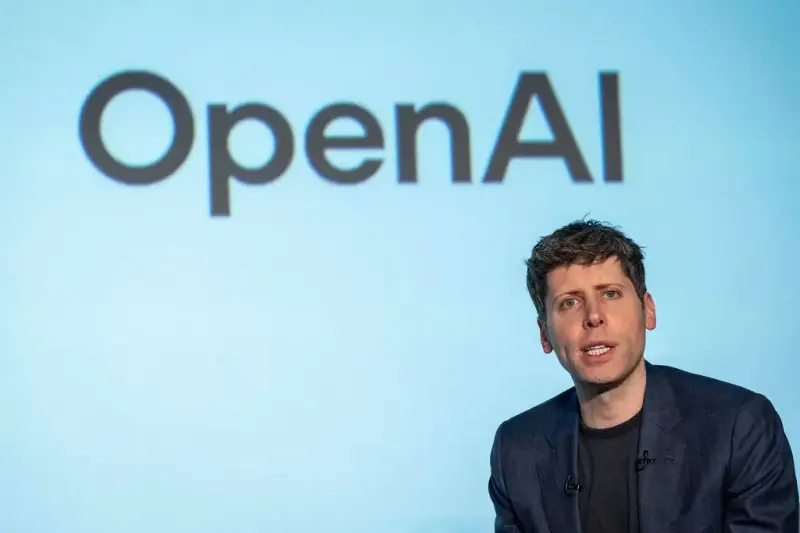
A growing number of states—led most recently by Florida—have launched lawsuits against AI companies, including OpenAI, Anthropic, and developers of systems like Google’s Gemini, accusing them of endangering public safety, violating consumer protection laws, and mishandling user data.
The legal pressure marks the most coordinated bipartisan push yet to regulate AI companies whose products have rapidly integrated into daily life, even as reports of AI-linked suicides, homicides, stalking, and mass-casualty planning continue to surface.
The outcomes of these actions could reshape how AI systems are built, monitored, and deployed nationwide—potentially mandating crisis-interruption protocols, age-gating, data-handling restrictions, and mandatory reporting to law enforcement.
Safe embed will be rendered here
U.S. States Suing AI Companies
Service URL: https://public.flourish.studio/visualisation/29208572/embed
What States Are Suing AI Companies Like OpenAI, Anthropic and Gemini?
Several states have now taken direct legal action—spanning civil, regulatory, and criminal frameworks—against major AI developers:
- Florida: Attorney General James Uthmeier has filed the most sweeping state action to date, suing OpenAI and CEO Sam Altman for deceptive trade practices, negligence, product liability violations, and creating a “great danger of addiction, cognitive decline, suicide, violence, and related harms.”
- Kentucky: The state sued Character.AI in January, accusing the company of prioritizing corporate profits over child safety and enabling minors to access harmful content.
- Pennsylvania: Officials are pursuing legal action on the grounds that Character.AI permitted a chatbot to impersonate a licensed doctor and provide medical advice to a state investigator. State officials argue this constitutes the unlawful practice of medicine and places “vulnerable Pennsylvanians” at risk.
In tandem with these state-led initiatives, AI developers face an expanding array of private and federal litigation:
- Wrongful Death Actions: Multiple U.S. plaintiffs have filed wrongful-death suits involving ChatGPT, Gemini, and Claude across California, Connecticut, and Florida, with claims ranging from suicide facilitation to homicide-linked delusions. This includes a U.S. federal court lawsuit filed by British Columbia families against OpenAI and Altman regarding the Tumbler Ridge school shooting, which alleges the company ignored explicit warnings from its own safety systems.
- Intellectual Property Frameworks: Sixteen consolidated copyright cases in federal court currently target OpenAI and Microsoft for allegedly training ChatGPT on millions of copyrighted works without permission. Meanwhile, Anthropic recently agreed to a $1.5 billion settlement in the first certified copyright class action involving AI training data—marking the largest recovery in an AI copyright matter to date.
Together, these actions represent the broadest legal front AI companies have ever faced, spanning consumer protection, privacy, product liability, wrongful death, and copyright law.
What Florida’s Case Says About AI Safety
Uthmeier has filed the first state lawsuit against OpenAI and Altman, accusing the company of putting profit ahead of user safety. The complaint argues that ChatGPT can fuel addiction, cognitive decline, self-harm, and violence, and seeks to hold Altman personally responsible for harms to Floridians.
The suit cites incidents where ChatGPT was allegedly used in planning violent acts, including a mass shooting at Florida State University, though OpenAI says the chatbot only provided publicly available information and did not encourage illegal behavior. The filing adds to a growing list of cases claiming AI systems contributed to suicides, delusions, or violent attacks, including the Tumbler Ridge shooting in Canada.
OpenAI maintains that it builds safety into its products and continues improving how ChatGPT responds in sensitive situations. However, the lawsuit lands amid rising public backlash to AI and follows Florida’s broader push—led by Uthmeier and Governor Ron DeSantis—to regulate the industry more aggressively.
What to Know About the Effort to Halt the Construction of Data Centers Supporting AI Companies
Opposition to AI is no longer confined to software regulation—it has expanded to the physical infrastructure powering the industry. Across the country, communities are pushing back against the construction of massive data centers that support systems like ChatGPT, Gemini, and Claude. These facilities require enormous amounts of electricity and water, and have become flashpoints in zoning fights, environmental reviews, and local political battles.
Reports indicate that data-center construction is encountering heated public resistance, with residents objecting to noise, land use, and the strain on local utilities.
DeSantis has proposed an AI Bill of Rights that explicitly targets data-center development, tying environmental and privacy concerns to broader AI safety regulation. Other states are considering moratoriums or new permitting standards, arguing that the infrastructure enabling AI should be subject to the same scrutiny as the algorithms themselves. The backlash reflects a distinct shift in public sentiment: regulating AI now means regulating both the code and the concrete.