



Dogs are experts at hiding discomfort, and many of the things that owners label as quirks, aging, or harmless habits may actually be early signs of pain. Because they can’t communicate when something feels wrong, subtle changes in behavior should not be overlooked.
Pet owners often assume that older dogs naturally slow down, or that a tired dog is simply having an off day, but veterinarians warn that these small shifts can reveal much more beneath the surface.
Reluctance To Jump
Dr. Bethany Hsia, veterinarian and co‑founder of CodaPet, told Newsweek that several subtle changes can reveal far more than owners might think. One example is a sudden reluctance to jump onto a couch or into a car.
While it’s easy to blame this on slowing down with age, Hsia explains such behavior “might be an indicator of osteoarthritis or degenerative joint disease.”
Shifts in Social Habits
Another common red flag involves shifts in a dog’s social habits. If a previously active or engaged pet begins sleeping more or pulling away from family interactions, many owners assume their dog is “mellowing out.”
But Hsia warns this could indicate a dog is “experiencing pain from chronic conditions like internal inflammation.”
Panting
According to Dr. Jordyn Zoul, a Georgia‑based veterinarian, dogs are “wired to hide pain from their ‘pack’ in the wild to avoid appearing weak,” which means many signs go unnoticed until the pain is severe.
She told Newsweek that panting is one of the most confusing symptoms. It might indicate heat or exertion—but it can also point to deeper issues, including pain. She encourages owners to be alert to unusual panting and to watch for additional stress cues.
Subtle Posture Changes
Even physical movements that appear normal can signal something more serious, according to Hsia.
She explains that a subtle posture change such as a “front leg down and rear up” stretch isn’t always an innocent morning routine—it “can actually signal abdominal pain or pancreatitis.”
Restlessness
Restlessness is another frequent concern. Owners often report that their dog “just can’t seem to get comfortable.”
Zoul sees this pattern in pets with arthritis or mobility issues, as well as dogs with worsening heart disease, which can make the chest area feel tight or uncomfortable.
Vocalizing
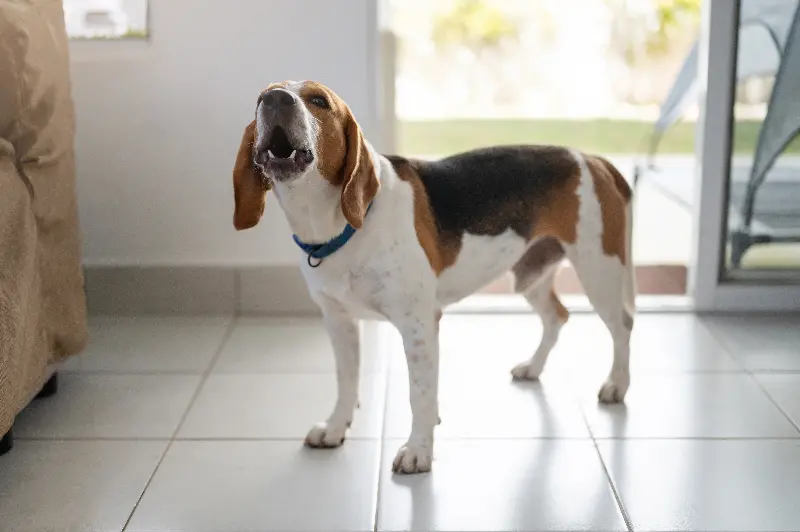
Vocalizing—whether whining, whimpering or yelping—is an obvious sign of distress, especially in naturally quiet dogs.
Zoul suggests gently manipulating limbs or palpating the abdomen to detect sensitive areas, noting that any reaction should prompt a visit to the vet.
When Should Dog Owners Call The Vet?
Hsia says it’s important to watch for persistent changes in mobility and temperament. Limping during play, stiffness after resting or any shift in how a dog moves should prompt an appointment.
She also notes that in cases of acute distress—such as a dog that suddenly stops walking or shows severe shortness of breath—immediate emergency care may be necessary.
She stresses that aging alone should not be used as an excuse to overlook discomfort.
“Aging is not a disease so any decline in a senior dog’s quality of life should be evaluated for treatable chronic pain rather than accepted as an inevitable consequence of time,” Hsia says.
She adds that weight management remains the most effective step owners can take to support their dog’s health.
“Like humans, weight management for dogs remains the single most effective intervention,” Hsia says.
Do you have funny and adorable videos or pictures of your pet you want to share? Send them to [email protected] with some details about your best friend and they could appear in our Pet of the Week lineup.