



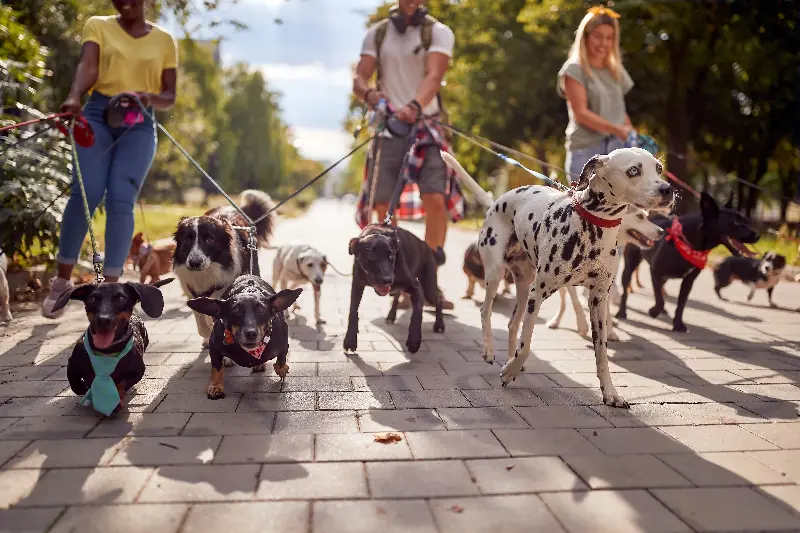
Many dog owners assume that exercise needs are largely dictated by size, with bigger breeds requiring longer and more intense activity. But veterinarians say that isn’t always true, noting that factors such as temperament, breeding history and health can play just as big a role.
Dr. Emma Chandley told Newsweek: “In reality, exercise requirements can be influenced just as much by temperament, breeding purposes, and things like airway health as they are by the size of the dog.”
According to the American Veterinary Medical Association (AVMA), more than 42 percent of Americans own a dog. Chandley, a veterinarian who works with pet insurance brand Petgevity in England, has shared five breeds that often surprise owners with how little exercise they need.
1. Greyhounds
“This is a classic example,” Chandley said. “People often think of a racing dog and imagine high levels of stamina, but greyhounds are built for very short bursts of speed and not endurance.”
According to the American Kennel Club (AKC), greyhounds are the fastest dog breed and one of the fastest animals overall, capable of reaching speeds of more than 35 miles per hour.
However, that doesn’t mean they need intense daily exercise.
“Many retired racers are perfectly content with a couple of steady walks and the opportunity for a brief run about, often followed by a long nap on the sofa!” Chandley said.
2. English Bulldog
The AKC explains that bulldogs were originally bred for bullbaiting, a now‑banned sport that favored strong, fearless dogs with powerful heads and loose skin.
Chandley said the breed’s exercise needs are often “overestimated.”
She added: “They often have a solid and muscular build, which gives the impression of strength and stamina. The reality is that their brachycephalic airway conformation often limits their tolerance for long periods of exercise, especially in warm weather. Shorter walks are usually more appropriate.”
3. Great Dane
Known as the tallest dogs in the world, Great Danes may look intimidating, but the AKC describes them as “gentle giants.”
“The sheer size of them leads many people to assume they must need lots of exercise,” Chandley told Newsweek. “Most adult Great Danes are satisfied with moderate length daily walks.”
She added: “It is also important to note that excessively high‑impact activity, especially when these dogs are puppies, can be detrimental to their developing joints.”
The AKC notes that Great Danes, which can reach up to 30 to 32 inches in height, are prone to joint and bone conditions such as hip dysplasia and osteoarthritis, which can worsen over time.
4. Bullmastiff
Standing up to 27 inches at the shoulder and weighing between 100 and 130 pounds, the bullmastiff is a very large dog, states the AKC.
Despite their size and muscular build, “they are typically steady, low‑energy dogs,” Chandley said. “Regular exercise is important for weight control and mental stimulation, but they rarely demand high‑intensity activity for long periods.”
4. Chow Chow
With its distinctive lion‑like mane and sturdy frame, it may be easy to assume the chow chow needs extensive exercise.
However, the AKC describes the breed as “serene and adaptable,” with no special exercise requirements.
“This breed can often look robust and imposing,” Chandley told Newsweek. “Despite their appearance, many chows are quite reserved and independent, enjoying routine walks without seeking vigorous exercise sessions.”
Other Factors That Can Influence Exercise
Many of these breeds share a common trait: larger size paired with relatively moderate energy levels. Newsweek has previously written on dog breeds that require far more exercise, including spaniels, border collies and golden retrievers.
Chandley stressed that exercise needs can still vary widely between individual dogs.
“It goes without saying that there is individual variation between all dogs,” she said. “Age, health status, and temperament should guide any exercise plan, and a conversation with your vet can help tailor recommendations for your dog.”