



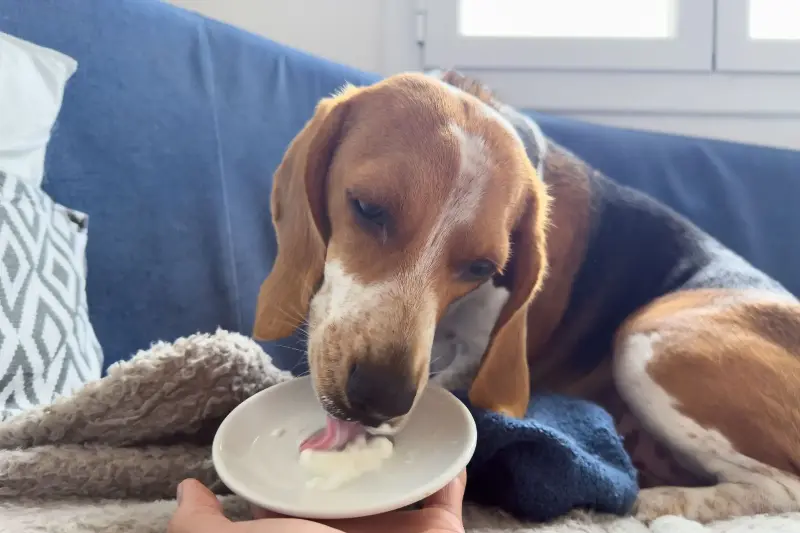
An extra treat for performing a trick or a table scrap may not seem like much, but those small rewards can quickly add up, often contributing far more to a dog’s diet than owners realize.
Dr. Lindsey Kaplan, pet company Woof’s in-house veterinarian, told Newsweek that a majority of owners underestimate how much treats contribute to their dog’s daily calorie intake. Even when owners carefully measure kibble, they unintentionally add an extra 15 to 30 percent more calories through treats, chews, table scraps and training rewards.
“For a medium-sized dog, that can be a significant portion of their daily caloric needs,” she said.
A common guideline experts suggest owners follow is the 10 percent rule: no more than 10 percent of a dog’s daily calories should come from treats, with the remaining 90 percent coming from a complete and balanced diet.
Kaplan said the reason for this is to preserve nutritional balance.
“Commercial dog foods are formulated to provide the appropriate balance of protein, vitamins, minerals and other nutrients, while most treats are not,” she said.
Going beyond that recommendation doesn’t just increase calorie intake—it can also displace the nutrients dogs need to stay healthy.
What Happens When Dogs Get Too Many Treats?
The most common consequence of over-treating, Kaplan sees, is obesity, but the health effects often extend well beyond weight gain.
Extra pounds can increase a dog’s risk of osteoarthritis and joint pain by placing more stress on the joints. High-fat treats may also contribute to pancreatitis, while frequent snacking can lead to gastrointestinal issues such as vomiting, diarrhea and soft stools.
“Dogs that maintain a lean body condition throughout life have also been shown to live longer lives than dogs who are even moderately overweight,” she said.
Signs Your Dog May Be Getting Too Many Treats
Because weight gain happens gradually, many owners don’t notice the problem until their dog has already become overweight.
Kaplan recommends watching for subtle warning signs, including:
- A waistline that’s becoming less defined.
- Difficulty feeling the dog’s ribs beneath its coat.
- Increased begging behavior because treats have become an expectation.
- Less enthusiasm for regular meals because the dog is filling up on snacks throughout the day.
Why Owners Accidentally Overfeed Their Dogs
Kaplan said multi-person households are especially prone to over-treating because each family member gives “just a few treats” without realizing everyone else is doing the same.
Dogs also quickly learn which family member is the most generous, she added.
“The issue is usually a lack of communication,” Kaplan said. “Each person gives ‘just a few treats,’ not realizing the cumulative effect.”
Homes with young children can present another challenge, as kids may intentionally share food or accidentally drop snacks that eager dogs happily eat.
Better Ways to Reward Your Dog
Treats don’t have to disappear entirely. Instead, Kaplan said choosing lower-calorie options can make a big difference.
She recommends plain vegetables such as green beans, carrots or cucumber, served without butter, salt or seasoning. Another simple option is using part of a dog’s daily kibble allowance as training rewards instead of adding extra calories.
Food isn’t the only effective motivator, either.
“Non-food rewards are often underused but extremely effective,” Kaplan said, pointing to verbal praise and interactive games like fetch or tug as rewarding alternatives that strengthen the bond between dogs and their owners without adding extra calories.
For dogs that enjoy food-based enrichment, puzzle toys and slow feeders can also help make small portions of treats last longer while encouraging natural behaviors like licking, chewing and foraging.
Ultimately, Kaplan said moderation is key.
Treats can play an important role in training and bonding, but keeping them to about 10 percent of a dog’s diet helps ensure they receive proper nutrition without the hidden calories that can quietly affect their long-term health.