



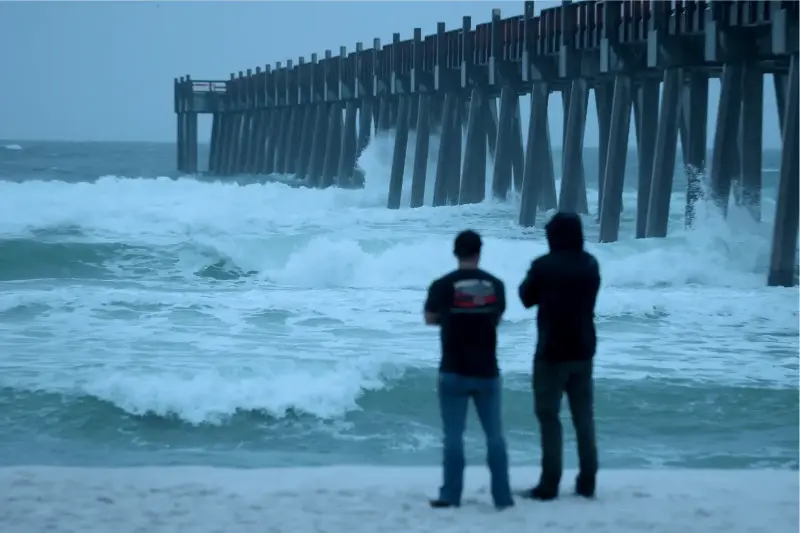
As Hurricane Isaias, the first Atlantic hurricane of 2026, approaches the Gulf Coast, experts are warning of a danger beyond the high winds and flooding—an increased risk of Vibrio vulnificus, or flesh-eating bacteria infection.
The National Oceanic and Atmospheric Administration (NOAA) is forecasting an increasing likelihood of life-threatening storm surge along portions of the northern Gulf Coast, creating the kind of warm, brackish floodwater conditions that experts say have been linked to Vibrio vulnificus infections after previous hurricanes.
While hurricane warnings have urged residents to prepare for power outages, the possibility of flash flooding and to obey any evacuation orders, research microbiologist Craig Baker-Austin told Newsweek that the danger may not be over after the storm dies down.
What Is Vibrio Vulnificus Infection?
A Vibrio vulnificus infection is a rare but severe illness caused by the bacterium Vibrio vulnificus that naturally lives in warm coastal waters.
People are most commonly infected by eating raw or undercooked shellfish, or getting seawater or brackish water into an open cut or wound.
Health officials advise people to avoid exposing open wounds to floodwater or coastal waters after storms and to seek prompt medical attention if redness, swelling or blistering develops following exposure. People with liver disease, diabetes, weakened immune systems and certain other chronic health conditions are considered at higher risk of severe illness.
Initial symptoms include diarrhea, stomach cramps, nausea, vomiting, fever and chills. The Centers for Disease Control and Prevention (CDC) warns that wound infections can rapidly worsen and may develop into necrotizing fasciitis, a severe infection that destroys tissue beneath the skin. That is why Vibrio vulnificus is often described as a “flesh-eating bacteria.”
Do Hurricanes Cause More Illness?
There is some evidence that hurricanes can be linked to increased cases of Vibrio vulnificus.
A CDC investigation found that southwest Florida recorded 38 hurricane-related vibriosis cases in the weeks after Hurricane Ian in 2022. Of the 38 storm-associated cases identified after Ian, 29 were caused by Vibrio vulnificus and 11 people died. Based on the region’s five-year median, officials would have expected a fraction of the cases during the period, describing it as a 1,100 percent increase.
The CDC has warned that hurricanes, storm surge and coastal flooding can increase the risk of Vibrio wound infections by pushing coastal waters inland and increasing human exposure to contaminated water.
“Hurricanes can drive large volumes of warm coastal and estuarine water inland through storm surge and flooding, increasing human contact with Vibrio-contaminated waters,” said Baker-Austin, an expert in waterborne disease emergence based at the Weymouth Cefas laboratory.
Recounting the increase in cases following Ian, he said: “We have noticed this on a few occasions now, [including] Milton/Helene 2024 and previously Katrina in 2005.”
Safe embed will be rendered here
Service URL: https://datawrapper.dwcdn.net/DB8sI/2/
After Hurricane Katrina in 2005, there was a large jump in Vibrio vulnificus wound infections in the Gulf Coast, resulting in 22 severe cases and five deaths.
Florida officials have already recorded a higher number of Vibrio vulnificus cases and one death this year. Most have been linked to recreational exposure during the summer. After hurricanes, however, infections are more often associated with floodwaters and storm surge coming into contact with open cuts or wounds.
“Most of the nasty Vibrio species grow really well in these kinds of waters,” Baker-Austin said. “Hurricanes can create favorable conditions by increasing water temperatures, redistributing nutrient-rich sediments and generating extensive mixtures of freshwater and seawater through flooding and storm surge. These environmental disturbances can promote bacterial persistence and increase opportunities for human exposure.”
Dr. Norman Beatty from the division of infectious diseases at the University of Florida told Newsweek: “People can prevent infection by wearing protective footwear or even waders if they anticipate needing to go into the water. Any cuts that are exposed to storm surge water from the Gulf should be cleaned thoroughly with clean water and monitored closely for signs of infection. If you already have a cut through the skin, you should avoid allowing that cut to enter storm surge waters.”
Potential for More Future Incidents
Thanks to a strong El Niño year, it has been an extremely quiet Atlantic hurricane season—the last time the first hurricane of the year formed this late was 1905. But experts warn that climate change may increase the conditions linked to Vibrio infections by expanding the bacteria’s habitat and contributing to more intense coastal flooding.
“Climate warming is expanding the environmental suitability of Vibrio vulnificus and other pathogenic Vibrio species, and also increasing the frequency and intensity of extreme weather events in many coastal regions,” Baker-Austin said.
He said that stronger hurricanes, higher storm surges and more extensive flooding could all increase opportunities for exposure and lead to more frequent and widespread illness.
Contact Newsweek editors on this story: Rebecca Flood and Dave Siminoff.