



Hormone imbalance symptoms can sometimes be mistaken for normal ageing. Many people notice fatigue, poor sleep, weight changes, brain fog, or reduced strength but assume these are simply part of getting older. In reality, hormones quietly regulate many vital functions in the body, including metabolism, mood, energy levels, and muscle health.
Hormones are the body’s silent messengers. They work quietly in the background, helping to regulate energy, mood, appetite, sleep, body temperature, metabolism, muscle strength, bone health, and even how clearly we think. Though invisible, they influence almost every part of daily life.
As we grow older, these internal signals can begin to shift. Often, the changes are subtle at first. You may feel more tired than usual, notice that your sleep is lighter, find it harder to maintain your weight, or feel less strong and steady on your feet. Some people become more forgetful, more sensitive to cold, or simply feel that they are “not quite themselves” anymore. Because these changes happen gradually, many assume they are simply part of ageing.
But while ageing is natural, not every symptom should be dismissed as “just getting older”. In some cases, hormones may be playing a larger role than many people realise.
When “Just Ageing” May Be More Than That
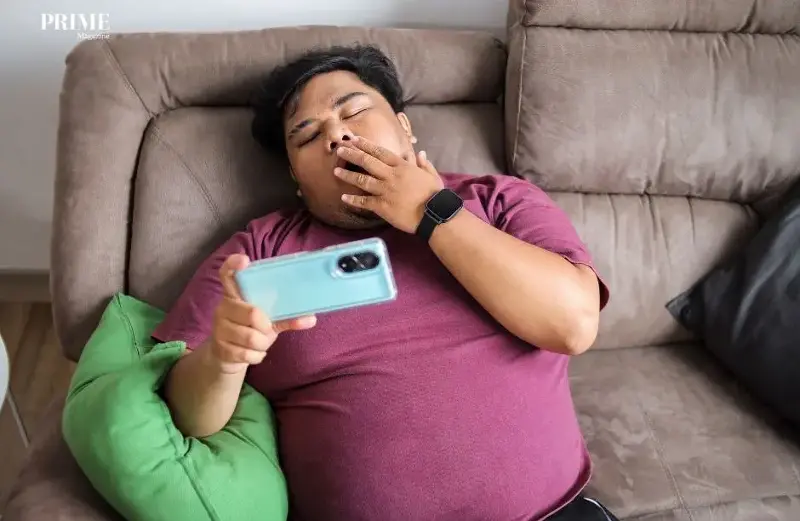
Exhausted Asian man using his phone while resting on a couch at home.
One reason hormone-related problems are often overlooked in older adults is because the symptoms can feel so familiar. Fatigue, poor sleep, low mood, slower movement, weight gain, brain fog, constipation, and reduced stamina are all commonly blamed on age, stress, or lifestyle.
However, when these symptoms persist or begin affecting everyday life, it may be worth looking a little deeper. A person who no longer has the energy to go for their usual morning walk, struggles to sleep through the night, or feels weaker climbing stairs may not simply be “slowing down”. Sometimes, the body is signalling that something internally has shifted.
Hormones play a major role in how well we function from day to day. When these signals are out of balance, the effects can show up not only in test results, but in how a person feels, moves, and lives.
The Thyroid: Small Gland, Big Impact
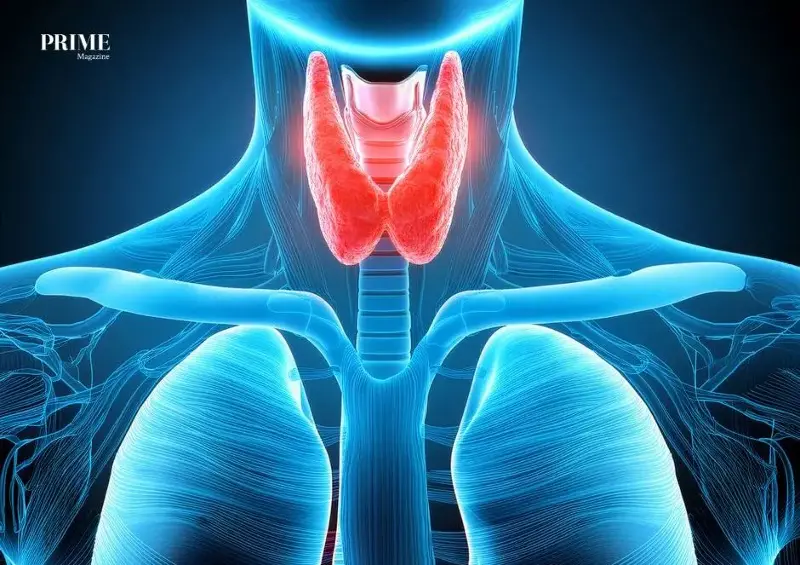
3D Medical Illustration of Thyroid Gland
One of the best-known hormone systems is the thyroid. Although the thyroid gland is small and sits quietly in the neck, it has a powerful effect on the body’s metabolism and energy.
When thyroid hormone levels are too low, the body tends to slow down. A person may feel constantly tired, colder than usual, mentally sluggish, constipated, or notice dry skin and weight gain. It can feel as though the body is moving in slow motion.
When thyroid hormone levels are too high, the opposite can happen. People may experience palpitations, poor sleep, sweating, tremors, nervousness, or unexplained weight loss. In older adults, these symptoms may be less obvious and are sometimes mistaken for stress, heart issues, or general frailty.
Because thyroid symptoms can overlap with common signs of ageing, they can be easy to miss unless they are carefully assessed.
Blood Sugar and Energy: Why Daily Fatigue Matters
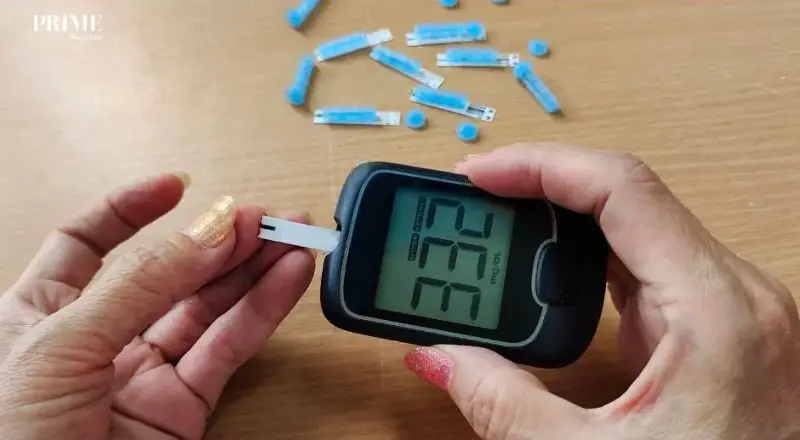
Close-up of a fingertip blood glucose test showing high blood sugar on a diabetes monitor.
Another important hormone system involves insulin, which helps regulate blood sugar. As we age, the body may become less sensitive to insulin, causing blood sugar to rise more easily. This not only matters for diabetes risk but can also affect everyday well-being.
Unstable blood sugar may lead to tiredness after meals, frequent hunger, sugar cravings, increased thirst, frequent urination, and fluctuating energy levels. Some people feel sleepy in the afternoon, rely more on snacks to get through the day, or notice that their waistline increases even when they are not eating much differently than before.
These may seem like small lifestyle inconveniences, but over time, blood sugar imbalance can contribute to more serious problems involving the heart, kidneys, nerves, and eyes. More importantly, it can also reduce the sense of vitality that many older adults want to preserve.
Stress Hormones and the Body’s Ability to Cope
Stress is a part of life at every age, but how the body handles it can change over time. Cortisol, often called the stress hormone, helps the body respond to pressure, maintain blood pressure, and regulate the sleep-wake cycle.
When stress becomes long-term, whether from work, caregiving, illness, poor sleep, or emotional strain, cortisol balance may be affected. This can leave a person feeling tired yet unable to rest deeply, more prone to abdominal weight gain, and less able to recover from everyday demands.
For older adults, this matters because resilience often becomes more important with age. Good health is not only about having no disease, but also about having the energy and reserve to enjoy life, recover from setbacks, and stay engaged in daily routines.
Bone and Muscle Health: More Than Just Calcium

Vitamin D jelly pills shaped as the letter D on a white background.
Many people only begin thinking seriously about bone health after a fall, fracture, or diagnosis of osteoporosis. But bone and muscle strength are closely linked to hormones throughout life.
Vitamin D, parathyroid hormone, thyroid hormone, and sex hormones all play a role in maintaining bone strength and muscle function. As hormone levels change with age, bones may lose density and muscles may weaken. This can lead to reduced balance, slower movement, and a higher risk of falls.
Often, these changes happen quietly. A person may notice they are less steady when walking, more cautious with stairs, or no longer as strong when carrying groceries or standing up from a chair. These are not simply signs of “getting old” to ignore. They may be clues that bone and muscle health need more attention.
Staying independent in later life depends greatly on maintaining strength, mobility, and confidence — and hormones are part of that picture.
Changes in Sleep, Mood, and Strength
Hormones also influence how well we sleep, how stable our mood feels, and how much strength we are able to maintain. Age-related hormone changes can contribute to lighter sleep, lower motivation, reduced stamina, and gradual muscle loss.
These changes are often brushed aside because they seem less urgent than a major illness. Yet they can deeply affect the quality of life. When a person is not sleeping well, feels low in energy, or becomes physically weaker, even enjoyable parts of life can begin to feel more difficult.
This is why hormone health is not only about treating disease. It is also about protecting well-being, function, and confidence in later years.
Knowing When to Seek Help

Asian doctor examining patient test results and medical report in clinic.
The good news is that hormone-related issues are often manageable once recognised. The first step is not to ignore persistent symptoms.
If you are feeling unusually tired, gaining or losing weight without a clear reason, becoming more sensitive to cold or heat, sleeping poorly, feeling weaker, or noticing a decline in concentration or stamina, it may be worth discussing these changes with a doctor.
Not every symptom will be caused by hormones. But when symptoms persist, it is important not to simply accept them without question. Sometimes, what seems like normal ageing may actually be a treatable imbalance.
A Better Way to Think About Ageing
Healthy ageing is not about trying to turn back time. It is about understanding the body, recognising changes early, and supporting health in a meaningful way.
Hormones may be invisible, but their effects are deeply felt in everyday life in the energy we wake up with, the strength we rely on, the clarity of our thoughts, and the independence we hope to maintain.
So, the next time you think about the simple acts of walking, smiling, speaking, and enjoying time with loved ones, remember that much of what makes these things possible comes from a finely balanced system working quietly within you.
And when that balance shifts, it may not be “just ageing” after all.
Sometimes, it may be your hormones asking to be heard. PRIME