



Summer holidays conjure idyllic visions of sangria at a shady café in Barcelona or a dreamy drive along the Amalfi Coast. But the reality of Europe’s hotspots can ruin your summer holiday.
Mallorca now sees regular anti-tourism protests, Santorini’s best sunset spots turn into one enormous queue, jostling for photo ops, and, in Amsterdam, tourists become hazards on wheels, riding rented bicycles recklessly close to canal edges.
Yet these destinations still draw millions of visitors each year, lured by the promise of sunny summer skies. And for good reason: there are still authentic and uncrowded spots to enjoy, if you know where to go.
We asked our destination experts to review eight of Europe’s most popular holiday destinations, giving their honest opinion on whether they would recommend a visit this summer. If you go, here’s how to do it better than the rest.
Mallorca, Spain
In the sizzling high summer heat of Mallorca, many visitors arrive dreaming of secluded coves, big, brash, bare, blonde beaches, groves abundant with olives and citrus fruit, and quaint and sleepy towns and villages exuding authenticity.
The reality is that Mallorca can be that island haven but during the busy summer months that first encounter with the reality of the crowds can be bruising: congested traffic, beaches and coves bursting with tourists, streams of hot and sweaty day-trippers spilling off coaches in the prettiest towns, exceptionally high prices, and long queues.
How to do it better
Skip renting a car and opt for public transport or taxis where possible.
If you do drive, the main traffic jam culprits are Sóller, Deià, and Valldemossa in the north-west, where narrow streets buckle under the weight of the summer footfall and cars clog up the main thoroughfares from morning till night. The zigzag mountain road to Sa Calobra or calas such as Caló des Moro and Palma’s old town are also bottlenecks to be avoided.
Instead of sticking solely to the coast, explore inland towns and villages such as Campos, Petra, Ses Salines or Portocolom.
The expert verdict
You should still go, but avoid over-exploited areas. Mallorca’s magic still holds away from the madding crowds.
Anna Nicholas
Santorini, Greece
I’ve been to Santorini dozens of times, but each time I arrive on the ferry I’m wowed by the sight of the volcanic caldera and the villages teetering on the crater’s edge.
However, the draw of this sultry Cyclades island slightly wanes against the idea of having to battle with cruise crowds in capital Fira’s narrow streets or dodge a jab in the eye from a selfie stick at Oia’s famed castle-sunset spot.
How to do it better
Over the years I’ve worked out a few ways to escape the crowds: I’ll stay in one of the new hotels such as Nous or Magma Santorini that have opened away from the caldera’s edge.
Away from the coast, there are lesser-known (but no less delicious) tavernas; try Lava near Perissa or Metaxi Mas in Exo Gonia.
Rather than dice with sunset crowds I recommend tackling the hike to Oia’s castle at sunrise, when there’s barely anyone around and the photos are as spectacular.
The expert verdict
Santorini can still be worth visiting if you avoid the busiest months of July and August.
Heidi Fuller-Love
Amalfi Coast, Italy
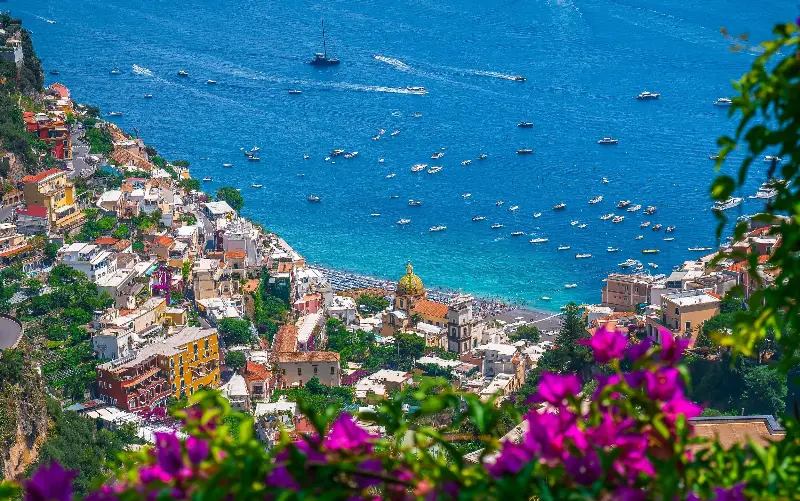
There is no denying it. The Amalfi Coast is one of the most spectacular stretches of shoreline in the Mediterranean. Every bend on the infamous, white-knuckle Amalfi Coast Drive (and they say there are a thousand of them) reveals yet another image of sheer cliffs, tumbling whitewashed villages and shimmering sea.
But the basic topography of this place renders it unsuitable for the droves of tourists who pile in each day, and it gets worse each year. The traffic jams are severe, the steep village streets are clogged with red-faced, puffing day-trippers and accommodation and restaurant prices are among the highest in Italy.
How to do it better
Stay in the vibrant, gritty port of Salerno (linked to the coastal villages by ferry), which offers much better value for money and a sense of a living, working city.
Salerno has winding medieval lanes and a sunny seafront promenade, as well as the 11th-century Duomo di San Matteo and the 12th-century botanical garden of the Minerva. For dinner, I recommend Osteria Canali; order the parmigiana di melanzane.
Avoid the town of Amalfi; try low-key Maiori to soak up some sun on the longest stretch of beach in the area, Minori to see ancient frescoes and mosaics, and Cetara to explore an authentic fishing village.
The expert verdict
On a bad day in high season, there is much pain and very little gain. But if you go, stay away from Amalfi itself.
Nicky Swallow
Dubrovnik
One of the world’s best-preserved fortified cities, Dubrovnik remains magnificent, even with visitors filling its famed city walls and plazas. Expect noble Baroque architecture and dreamy seascapes, but, yes, inevitable crowds and high prices.
The classic itinerary would include a stay at one of the five-star hotels on the coast south of Ploče Gate. Walk the walls, swim in the Adriatic, and dine on fresh fish and Dalmatian wine. But you will encounter many fellow tourists during your stay.
How to do it better
To dodge the city crowds, stay south of Dubrovnik, in Cavtat or Mlini, then come into town for daytime sightseeing, dinner or a concert.
Catch the shuttle-boat from Cavtat up the coast to arrive directly at Dubrovnik’s old harbour – en route, it stops in Srebreno and Mlini, which have fine pebble beaches that are more peaceful than Dubrovnik’s. The boat ride is scenic and means you’ll avoid the bus ride along the jam-packed, narrow cliffside road into town.
Avoid the touristy restaurants in Prijeko alley. If you find Dubrovnik’s restaurants overwhelmingly busy, order a carefully-packed gourmet picnic from Piknik Dubrovnik and hike up Mount Srđ or escape to Lokrum island to enjoy lunch in a secluded spot.
Evenings in the old town are more mellow, as most cruise ships and tour buses depart late afternoon.
The expert verdict
Stay outside the city itself, or try to come in between May and June or September and October.
Jane Foster
Amsterdam, Netherlands
Amsterdam is busy year-round – in the summer, it’s very busy. And hot (or at least humid). With mosquitoes. Queues of sticky, skimpily clad people snake round city blocks. Bikes, cars, and pedestrians jostle dangerously for headway beside the canals.
City squares crowd up like festival fields...sans music. Good restaurants and museums book out ages in advance, stifling spontaneity. Amsterdam’s small-scale charm is swamped by millions (yes, millions) of visitors.
How to do it better
Get up early: Amsterdam rises late, and an eight o’clock stroll along the canals can be surprisingly peaceful.
One of the biggest Amsterdam clichés – a canal trip – also offers an escape (distance from multitudes, an untrammelled view of gables), but choose a company with small boats (such as Captain Jack Amsterdam), rather than the large-scale commercial ones.
If this is your only chance to visit one of the Big Three museums, try to save your visit for a weekday, and go in the last hour or two of opening, as the crowds begin to thin.
Otherwise, avoid anywhere that causes even a whiff of excitement on TikTok; and don’t even think of adding to the chaos by hiring a bike.
The expert verdict
Avoid a summer visit unless you have no alternative.
Rodney Bolt
Cannes, France
It’s tempting to characterise Cannes as a witless, weightless glitzorama for international airheads. But in truth there’s little harm, and some charm, in a small seaside spot fuelled essentially by froth and foam.
Thousands roll in to bathe in the glamour, pay £75 to rent a front line deckchair at a private beach in August, and spend much, much more in the casinos and clubs. Things may get more crowded yet when season four of White Lotus, to be filmed in Cannes later this year, heaps further celebrity upon the place. It will continue to sparkle with the brightness and gravity of a Roman candle.
How to do it better
My Civilised Person’s Guide to Cannes would take in the steep, sinuous streets of Suquet hill. Up top, the Musée des Explorations du Monde houses everything from primitive paintings to ancient musical instruments.
The Croix de Garde hill is a verdant 200-acre park, less than a mile from the mob on the Croisette. Beach-wise, head for the 690m Plage du Midi (free to the public) for scuba and snorkelling.
Alternatively, take the 20-minute ferry to one of the two Lérins islands. I prefer Sainte-Marguerite for its historic fort (which once held the Man in the Iron Mask). Plus, it has better beaches.
Back on the mainland, to get away from electro madness, I’d lunch on stuff from the Forville market, and dine at Table22 or UVA. Later, amble around until you find a bar not exploding with electro. There are one or two.
The expert verdict
If you’re young, rich and wish to boogie, plan a visit. If you’re old, rich or poor and like a sit-down, think twice. But, if you’re that way out, you’ll probably go anyway.
Anthony Peregrine
Barcelona, Spain
In the 25 years I’ve lived in Barcelona’s Old City, I’ve seen my neighbourhood change almost beyond recognition. As in every heavily touristed city, what were once fishmongers and greengrocers are now nail bars and shops flogging saucy t-shirts, and it can be hard to walk down La Rambla without waiters accosting you with photos of alarmingly yellow paella.
What keeps visitors coming back, though, are the foundation stones of the Barcelona experience: the medieval streets, the genius of Antoni Gaudí, the miles of sand, the superb art collections and the perennial pleasures of eating outside.
How to do it better
Dare to leave the centre. You’ll find fewer chains and a more authentic experience away from the main tourist drags. Sants, Poblenou, Sant Antoni and Sarrià are just three of the neighbourhoods where you’ll find great places to eat and drink and none of the crowds.
Want a cleaner, quieter stretch of beach? Jump on a train north or south along the seafront. It doesn’t matter where you get off.
If the beach isn’t your thing you might be pleasantly surprised by how quiet the centre can be in July and August once half the population has fled.
The expert verdict
Yes, you should still visit, but do leave the city centre.
Sally Davies
Tuscany, Italy
Tuscany in summer is about landscape – vineyards, cypress-topped hills, olive trees, lines of distant mountains – and your place in it, which should be settled into a classic villa with a pool, peace and quiet and far-reaching views of Europe’s loveliest pastoral countryside. But its better-known destinations can be teeming with fellow tourists.
How to do it better
Chianti is the obvious choice, and is favoured by the villa companies, but the Val d’Orcia is prettier, the Garfagnana and Pratomagno less expensive. Unless it’s what you want, beware the shared pool of villas in converted shared-ownership hamlets.
As for Tuscany’s other big attractions, the art-filled towns and cities? Not in summer, they’re too hot and crowded for sightseeing, unless it’s a day-trip dash into smaller but still-busy Siena and Lucca. Instead, visit sleepy rural monasteries such as Sant’Antimo and Monte Oliveto, and explore medieval villages such as Barga, Pitigliano and San Quirico.
Forget Florence entirely. Spend your evenings al fresco at your villa or with locals at one of the region’s innumerable little festivals: food, saints, music, all are an excuse for relaxed and family-friendly events.
The expert verdict
Should you go? Of course. Tuscany’s rural charm is timeless and its countryside is perfect for a week or two of what Italians call the dolce far niente – the sweet doing of nothing.
Tim Jepson