



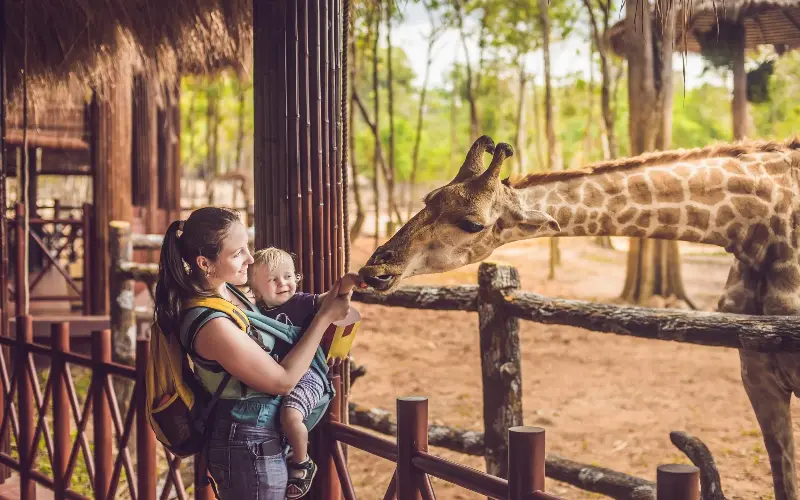
In a multimedia age, what is the point of zoos?
That’s an essay question from last year’s General Paper for candidates competing for a fellowship of All Souls, Oxford, perhaps the world’s most competitive examination process. Its deceptively simple essay titles are doing the rounds on social media and many of us have enjoyed having a stab at answering them in our heads.
The obvious layperson’s answer to that one – will it do, All Souls? – is that there’s no substitute for seeing the real thing with your own eyes: the dangerous, live, wild animal, just a few feet away behind a fence or glass or 30ft below in a grassy pit.
No image on a laptop can match that thrill. To learn deeply and properly about something, it’s vital to see it with your own eyes. You might as well say: “In a multimedia age, what is the point of picture galleries?” Or “in an age of Spotify, what is the point of concerts?” The human craving to be up close with the genuine item will never go away.
Now, with the news that a man in his twenties has been mauled to death by a Siberian tiger after jumping into the enclosure at Yorkshire Wildlife Park in Doncaster the “what is the point of zoos”? question looms once more.
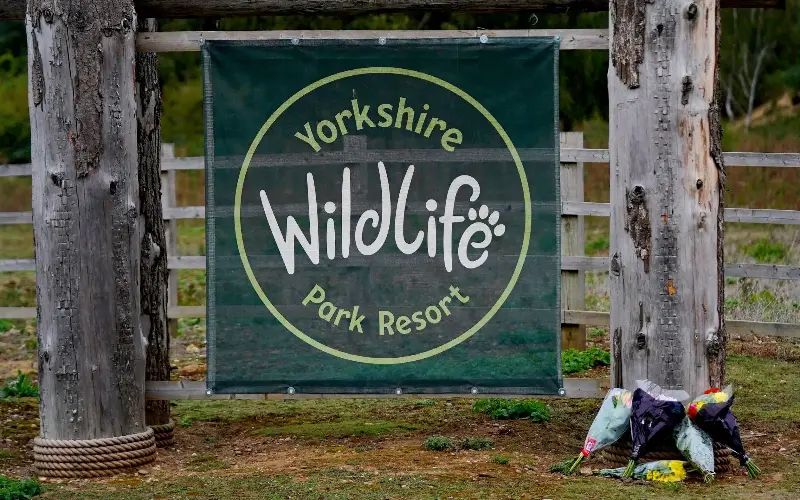
This shocking incident, combined with a generalised anxiety that it’s cruel to keep wild animals in any kind of captivity, make me fear for the future of zoos. And what a loss it would be if they no longer existed. Trips to the zoo are some of the most life-enhancing outings of childhood. (It’s unbearable to think of that joyous day out in Cambridgeshire taking such an appalling turn when a three-year-old was thrown into a crocodile enclosure in June.)
Bringing up my three sons, I remember our trips to London Zoo as some of the most fulfilling days out we ever had – infinitely preferable to seeing the dinosaur models at the Natural History Museum, fascinating though they were. But at the zoo, you’re up against living nature red in tooth and claw.
The pack of African hunting dogs and their puppies that could tear you limb from limb in five minutes. They combined the charm of dogs with a terror of what the wild type were capable of. The black mamba in the reptile house, which could poison a family to death in about 10 seconds, was similarly electrifying.
Then came the riveting experience of watching gorillas and monkeys go about their mornings, so like us but so different. Then, the graceful marvel of the giraffes in their elegant house with its tall arched doors. And then – an experience brilliantly evoked in ITV’s 70-Up when we saw the original cohort of seven-year-olds visiting London Zoo in 1964 – the delight of watching feeding time in the penguin pool.
Seeing those animals face-to-face helps to create a life-long bond between the human species and the animals with whom we share the planet. We’ve come a long way since the bad old days when animals were kept in cruelly small, tarmacked enclosures. Now, as the Butlin’s slogan used to say: “Our true intent is all for your delight.”
Today’s zoologists create mini-paradises for the animals to live in, and breeding programmes are actively saving species from extinction. We must treasure our zoos – while making it impossible both for animals to escape from their enclosures, and for humans to get into them.