



China is in the process of building the world’s largest dam (the Motuo Hydropower Station) – a mammoth undertaking that is, perhaps unsurprisingly, causing much controversy amid its neighbours. Then again, vast engineering projects are often problematic (just look at the Itaipu Dam in Brazil). But they are also inspiring, huge, overwhelming spectacles which bear witness to what science and technology (and a lot of concrete) can achieve on a grand scale.
Whether it’s the bridges and tunnels that cross Sydney’s harbour, the Oresund Crossing between Sweden and Denmark, or futuristic highways such as China’s high-speed railways or Germany’s autobahn, these behemoths of human endeavour thrill us. We flock to them on our travels, craving the sense of being simultaneously dwarfed and awed by what could readily be described as the world’s greatest man-made wonders.
Here is our choice of the 10 most magnificent major engineering marvels around the world.
Panama Canal, Panama
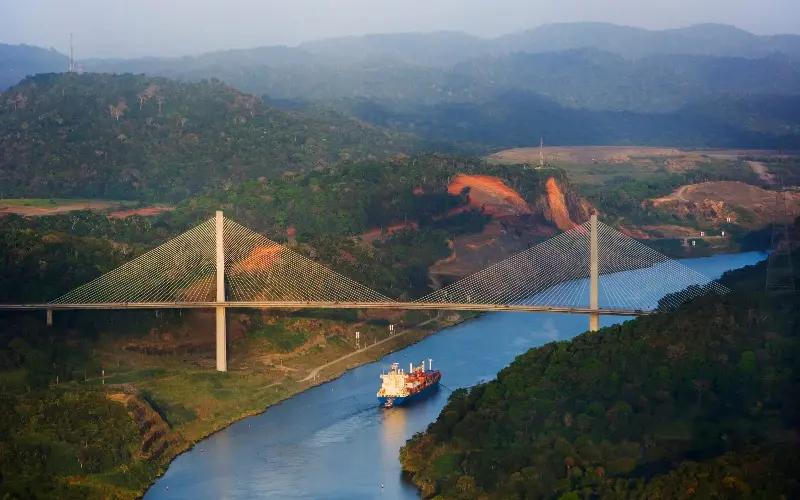
Exploring the Panama Canal feels genuinely exotic. You’re aware of the failed attempts to build this true marvel, the devastating impact that tropical diseases had on the builders, and the sheer scope of the project to blast mountains and link lakes. Admire the massive canal from the Radisson Panama Canal, a Ballardian scene with a deserted swimming pool and eerie colonial reminders – like old drive-thrus – of when the US ran the Panama Canal Zone and marshalled the little trains that yank the giant ships along the water. Weird and wonderful.
Stay: The Radisson Panama Canal has doubles from £77.
How to get there: Fly with United from London Heathrow to Panama City via Houston.
Channel Tunnel, UK/France
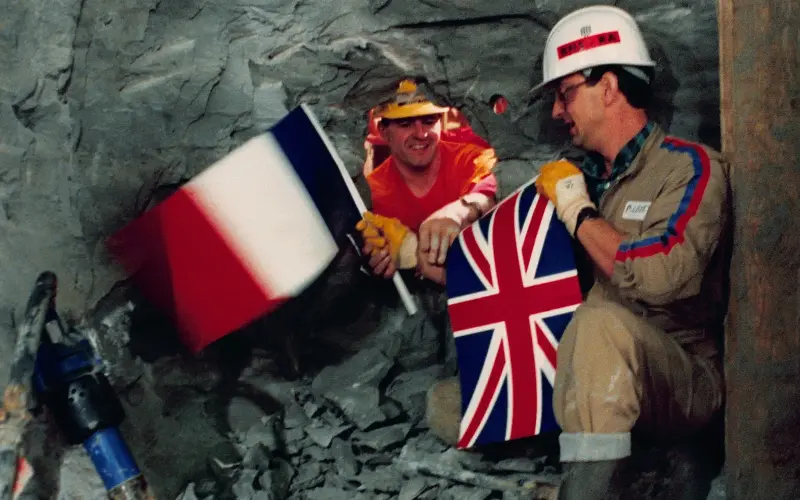
Making the entente cordiale (cordial agreement) concrete by linking France to Britain had been a dream for a century. It finally came true when the Channel Tunnel opened in 1994, transforming the way we travel with Eurostar and Le Shuttle services. During construction there was a visitor centre at Cheriton, but today the perfect place to appreciate those transmanche travails is at Samphire Hoe.
This slice of new land beneath Kent’s white cliffs was created from the spoil of the Nineties tunnel diggers. It’s perfect for picnics and birdwatching – and near the terminal outside Folkestone if you want to break your journey to the Dordogne for a few hours. Folkestone has plenty of new restaurants for lunch, including Pomus, as well as hip, renovated pubs such as the Radnor Arms.
Stay: Voco The Clifton in Folkestone has doubles from £93.
How to get there: Take the Southeastern from London St Pancras to Folkestone.
Akashi-Kaikyo Bridge, Japan
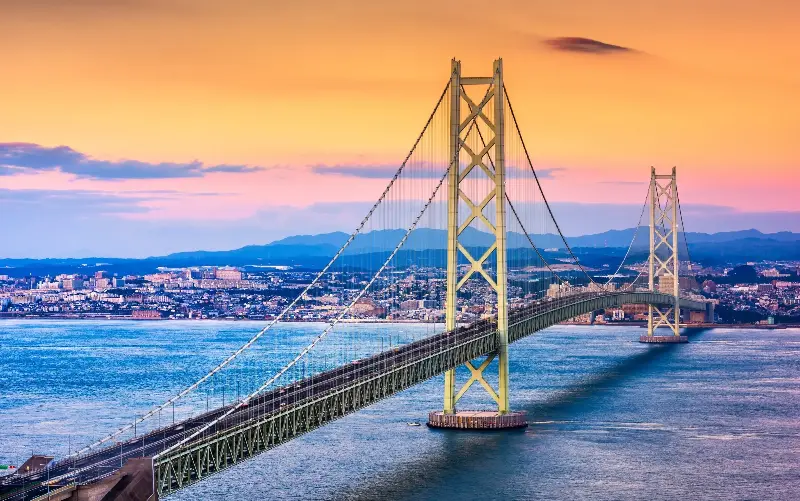
Japan’s ambition to connect its main archipelago was a bold and brazen one that involved tunnels and bridges spanning impossibly deep channels and complex topography. Oh, and did we mention the earthquakes? This resilient nation really popped the champagne corks when the Akashi-Kaikyo Bridge was opened in 1998, spanning the strait between Honshu and Awaji Island, and linking Shikoku with Kobe and the rest of Metropolitan Japan. A decade in the making, it is worth seeing this bridge on a day out from Kobe – if only to say you’ve witnessed one of the world’s longest spans.
Stay: ANA Crowne Plaza Kobe has doubles from £103.
How to get there: Fly EVA Air from London Heathrow to Kobe via Taipei.
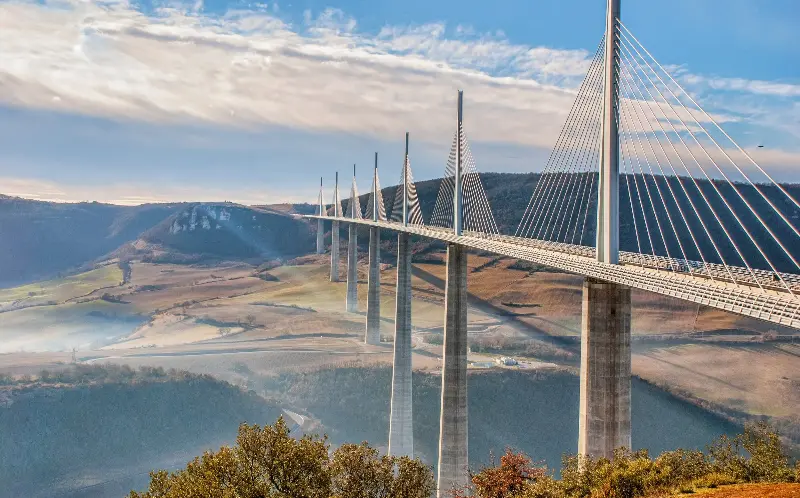
Millau Viaduct, France
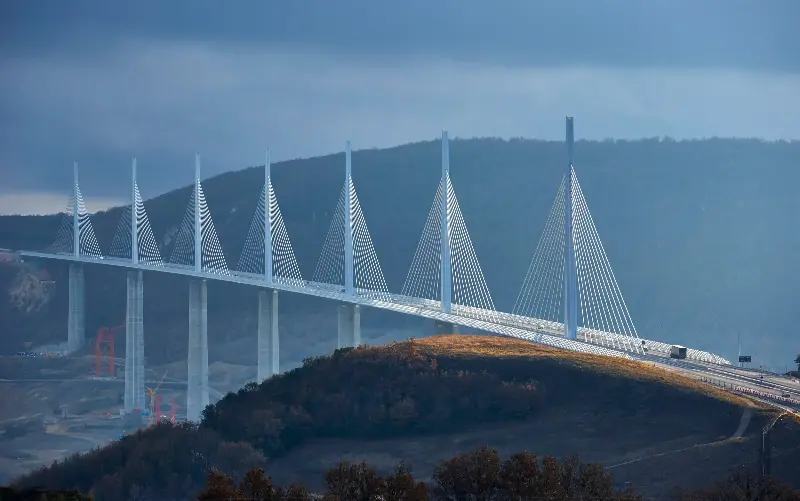
At one stage the world’s tallest bridge, it’s the incredible height of the Millau Viaduct that gets you. There are observation areas where you can park to see the top of the viaduct, which often pokes up above the clouds and mist. It can get very windy up here because of the eccentric micro-climate of the gorge.
Walk down into that valley if you really want to feel awe, and see where the concrete legs of the motorway bridge slam into the Occitanian soil and cross the river Tarn. Norman Foster was responsible for the elegant design (along with French engineer Michel Virlogeux), and the viaduct opened in 2004 as part of the A75 Autoroute.
Stay: Break the drive from Britain with a night at Chateau de la Resle, which has doubles from £330.
How to get there: The alternative is to fly easyJet from London Gatwick or Manchester to Montpellier.
Beijing – Shanghai High Speed Railway, China
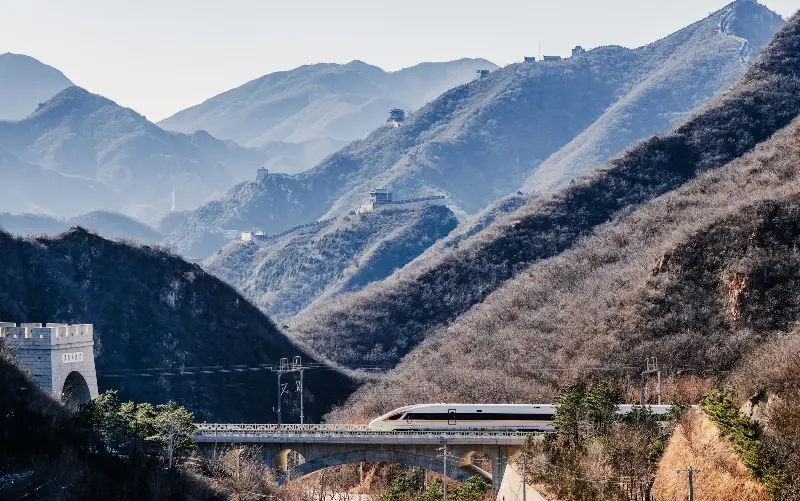
Shanghai is full of impressive modern engineering, including one of the world’s handful of Maglevs, “levitating” trains which glide from Pudong airport to the city in minutes, powered by magnets. Another notable Chinese transport achievement is the high-speed rail line which runs from Shanghai up to Beijing.
At more than 800 miles, it was the longest high-speed rail line built in one go when it opened in 2011 – taking just three years to construct. Anyone associated with HS2 please look away now. Enjoying the line and its deft ability to traverse the Yangtze Delta is easy – just buy a ticket on your phone and choose how flash you would like your class of seat (and service) to be for the four-hour journey.
Stay: Maritim Hotel Taicang Garden, just outside central Shanghai, has doubles from £79.
How to get there: Fly from London Heathrow to Shanghai with China Eastern.
Hoover Dam, US
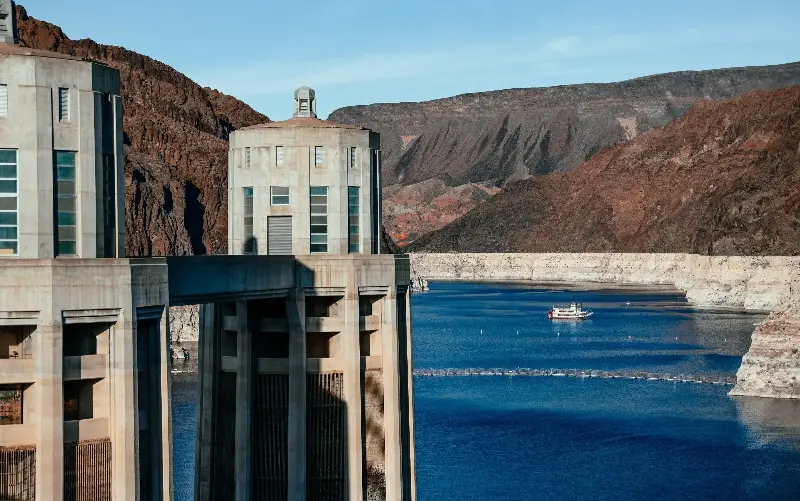
The Three Gorges Dam in China may currently be the world’s biggest – and unquestionably awe-inspiring – but the art deco swagger of the Hoover Dam is hard to beat. The Dam and Lake Mead behind it allowed southern California and Las Vegas to grow into the behemoths they are today, and provided work during the Great Depression. The dam is a real work of art as well as being an engineering marvel. It’s a simple 30-minute drive from Vegas, and a new bypass bridge means you can easily park up and walk to a viewing spot for great photos. If you want to get closer to the action, there is a visitors’ centre and tours.
Stay: The English in Las Vegas has doubles from £228.
How to get there: Fly Virgin Atlantic from London Heathrow to Las Vegas.
Autobahnen, Germany
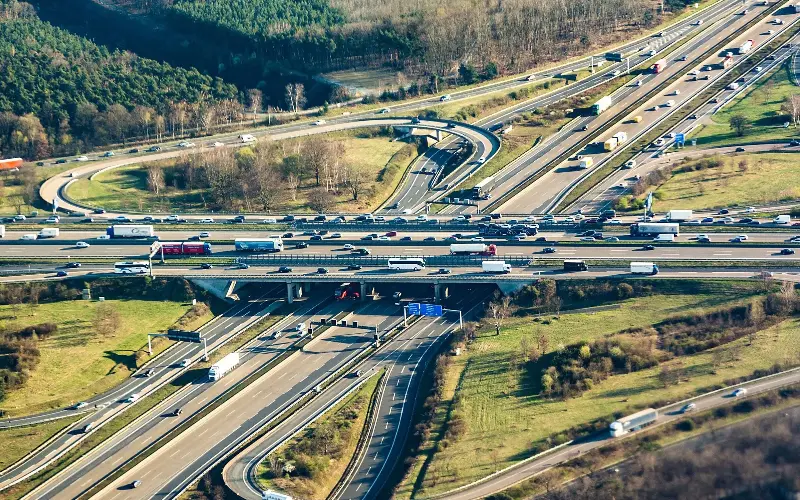
Germany is chock full of engineering marvels, such as the Kiel Canal and the Wuppertal Schweberbahn. But pelting along the autobahn remains the stuff of dreams for many drivers, and with the centenary of its inception in Frankfurt taking place this year, there’s never been a more fitting time to do it. The Frankfurter Kreuz is an impressive intersection that ranks among Europe’s busiest and oldest, while in Berlin, the A115 through Grunewald, comprises the former AVUS race track. Without (many) speed limits or any tolls, driving these innovative roads is a great deal more fun than their ruinously pricey Spanish or French counterparts.
Stay: Leonardo Royal Frankfurt has doubles from £71; Maritim Pro Arte Berlin has doubles from £163.
How to get there: Fly Wizz from London Luton to Dortmund and rent a car.
Aguas Livres Aqueduct, Portugal
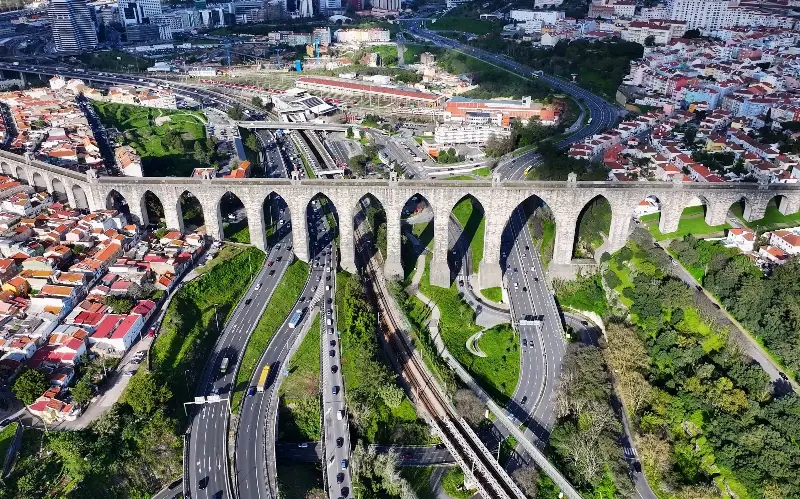
Where would we be without water? Especially in hot, dry cities like Lisbon. This incredible piece of engineering – currently on UNESCO’s Tentative List for World Heritage status – solved that very problem by bringing fresh water from the mountains around Lisbon down into the city for residents to drink.
Dating back to the 1700s, this beautiful structure is still standing and you can even walk over some parts of it, marvelling at how it crosses the Alcantara valley at nearly 3500ft in height. The aqueduct ends at the spooky-but-spellbinding Mother of Water Reservoir (Mãe d’Água das Amoreiras) in the Amoreiras neighbourhood. Go in and imagine how it’s transformed for special events, like when they project art on the walls. The V rooftop bar at nearby Vintage is perfect for a drink after your walk.
Stay: Mama Shelter Lisbon has doubles from £232.
How to get there: Fly with TAP to Lisbon from London Heathrow, Gatwick and Manchester.
Barcelona’s waterfront, Spain
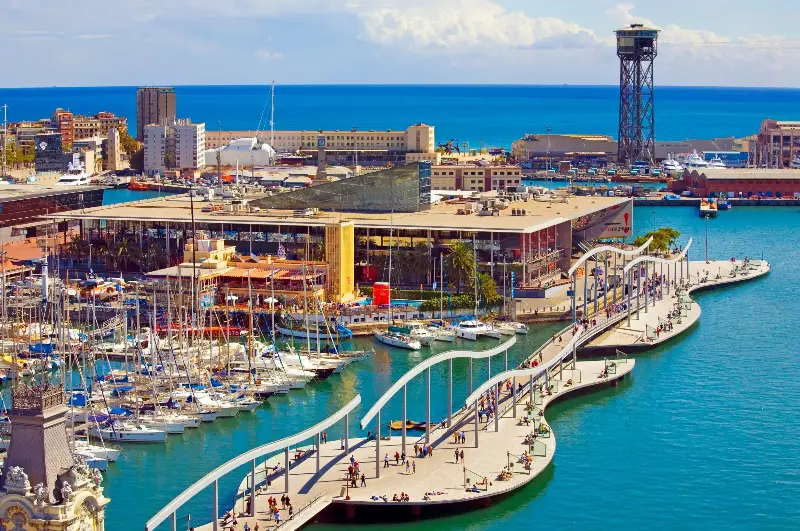
Barcelona’s waterfront is just a series of engineering marvels hiding in plain sight. The beaches we all love were created by importing truckloads of sand and building huge breakwaters to keep it all there. The recently rebuilt Port Olímpic was dug out and opened just before the 1992 Olympic Games and crowned with the swish Hotel Arts rising above it, where you can head for a fancy vermouth cocktail.
The B10 Ronda Litoral Ring Road was built to link venues during the Games, but most of it is cleverly sunk in a tunnel with playgrounds and parks above, so it doesn’t cut off the routes to the sea. The Parc Fòrum, meanwhile, was built for a 2004 cultural exhibition, a sprawling concrete site which makes an ideal site for the Primavera Sound Festival every spring. Primavera’s after-parties happen by the pool at the Hilton Diagonal Mar.
Stay: The nearby Meliá Barcelona Sky has doubles from £231.
How to get there: Take Wizz Air’s new flight from London Luton to Barcelona.
Dramatic dams, ditches and dykes, The Netherlands
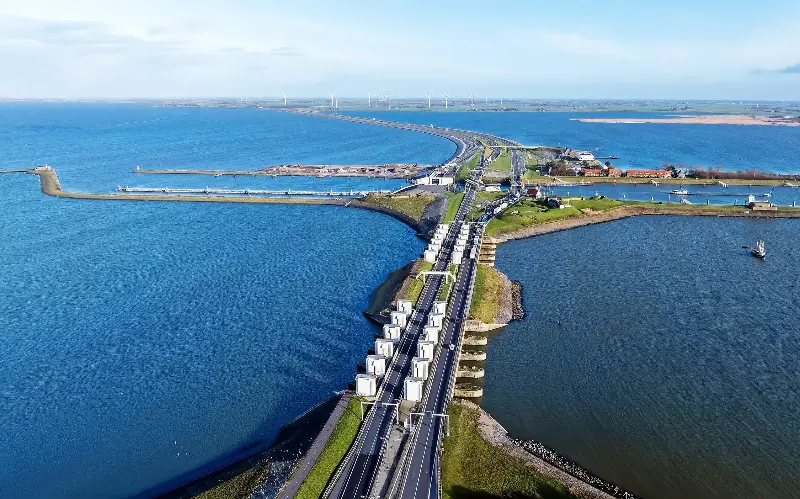
The Dutch were so good at dykes that the British invited them over to drain the Fens. Their knowledge of fighting the sea and reclaiming land is a real sight to behold. The Delta Works are worth exploring – huge dams and sluices you can cycle along (watch out for the wind) in the south of the country, protecting against storms and floods.
The Afsluitdijk in the north, meanwhile, is truly mind-bending – at more than 20 miles long, you can’t see the end of this massive pile of earth which turned the sea into a freshwater lake, the IJmeer, when it was dammed. It all allowed massive amounts of “polder” – new land reclaimed from water – to be created, and transformed the country.
Stay: Waldorf Astoria Amsterdam has doubles from £1,045.
How to get there: Take Eurostar from London to Amsterdam. Book local trains around the Netherlands to explore the dams with Omio.